
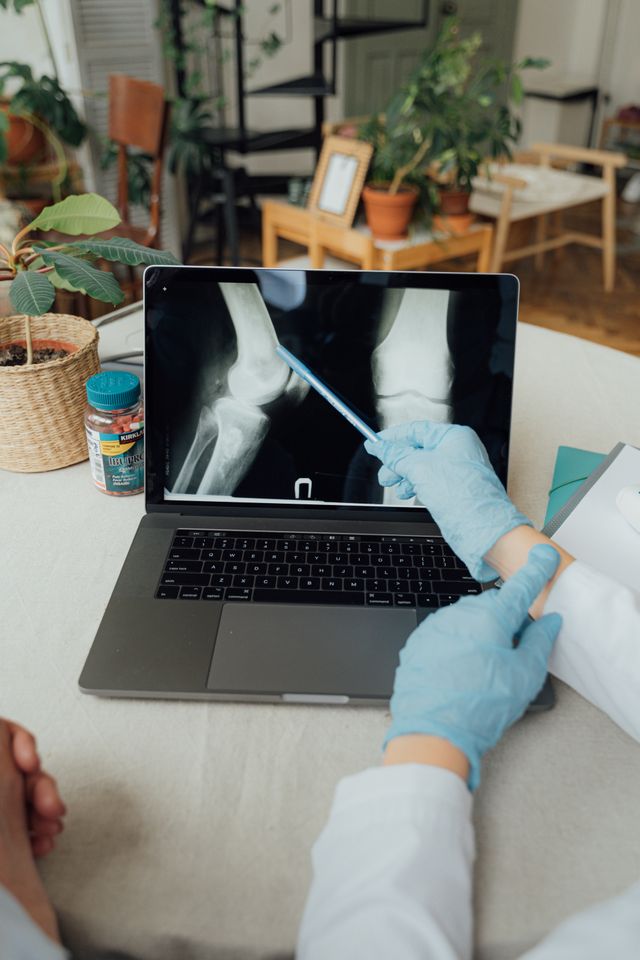
The human nervous system is among the most complex and delicate structures in the known universe. Housed within the bony armour of the skull and vertebral column, the brain and spinal cord govern every movement, sensation, thought, and bodily function we experience. When disease, injury, or degeneration threatens these structures, the consequences can be swift and severe paralysis, chronic pain, loss of sensation, cognitive impairment, or worse. In these critical moments, the expertise of a spine surgeon & best neurosurgeon can mean the difference between a life reclaimed and a life diminished.
Understanding the Overlap: Spine Surgery and Neurosurgery
A common source of confusion for patients is the relationship between spine surgery and neurosurgery. The two specialties overlap significantly both deal with conditions of the spinal cord and nerve roots but they are distinct in scope and training.
A spine surgeon may be either an orthopaedic surgeon or a neurosurgeon who has undergone additional subspecialty training in spinal surgery. Their focus is primarily structural: the bones, discs, ligaments, and joints of the vertebral column that support the body, enable movement, and protect the spinal cord. Conditions like herniated discs, spinal stenosis, scoliosis, and vertebral fractures fall squarely within their domain.
A neurosurgeon is a specialist trained in surgical and non-surgical management of conditions affecting the brain, spinal cord, peripheral nerves, and the blood vessels that supply them. Their scope is broader encompassing brain tumours, cerebrovascular conditions like aneurysms and arteriovenous malformations (AVMs), Parkinson’s disease (deep brain stimulation), epilepsy surgery, hydrocephalus, and spinal cord injury, in addition to spinal column disorders.
In many modern hospitals, the two work side by side and in complex cases, they operate together. A patient with a spinal tumour, for instance, may require a neurosurgeon to manage the cord and neural elements while a spine surgeon handles stabilisation of the vertebral column. This collaboration exemplifies the highest standard of neurological and spinal care.
Common Conditions Requiring Spine Surgery
The spine is a masterpiece of engineering 33 vertebrae, 23 intervertebral discs, hundreds of ligaments, and a network of muscles working in concert to support the body upright and protect the delicate spinal cord running through its centre. It is also one of the most commonly injured and degenerated structures in the human body.
Herniated Disc (Slipped Disc)
Perhaps the most frequently encountered spinal condition, a herniated disc occurs when the soft inner core (nucleus pulposus) of an intervertebral disc protrudes through its outer fibrous ring (annulus fibrosus) and compresses a nearby nerve root. The result is often a sharp, radiating pain sciatica when it involves the lower back, or cervical radiculopathy when it occurs in the neck accompanied by numbness, tingling, or weakness in the arm or leg.
Most herniated discs respond to conservative management: physiotherapy, anti-inflammatory medication, and epidural steroid injections. When symptoms persist or neurological function is compromised, surgical intervention typically a microdiscectomy or endoscopic discectomy offers highly effective relief.
Spinal Stenosis
Stenosis refers to the narrowing of the spinal canal, which exerts pressure on the spinal cord or nerve roots. It most commonly results from age-related degenerative changes in bone spurs, thickened ligaments, and disc degeneration and predominantly affects the lumbar (lower back) and cervical (neck) regions. Symptoms include leg pain, weakness, and difficulty walking (neurogenic claudication) in lumbar stenosis, or arm weakness and balance problems in cervical stenosis. Surgical decompression laminectomy or laminoplasty relieves this pressure and restores function.
Scoliosis and Spinal Deformity
Scoliosis is an abnormal lateral curvature of the spine that can range from mild cosmetic concern to a severe structural problem affecting breathing and cardiac function. Idiopathic scoliosis (of unknown cause) most commonly presents in adolescence. Adult degenerative scoliosis develops later in life as spinal structures wear down asymmetrically. Severe or progressive curves often require surgical correction through spinal fusion, a procedure that permanently connects two or more vertebrae using bone grafts and instrumentation (rods, screws, and hooks) to straighten and stabilise the spine.
Vertebral Fractures and Spinal Trauma
High-impact trauma, road accidents, falls from height, sports injuries can cause vertebral fractures that may threaten the integrity of the spinal cord. Prompt surgical stabilisation is often essential to prevent further neurological damage and begin the process of rehabilitation. In elderly patients with osteoporosis, even minor injuries can cause vertebral compression fractures, which may be treated with minimally invasive procedures such as vertebroplasty or kyphoplasty.
Degenerative Disc Disease (DDD)
Over time, intervertebral discs lose hydration and elasticity, reducing their ability to cushion the vertebrae above and below them. This degenerative process can lead to chronic pain, instability, and secondary conditions like facet joint arthritis. When conservative treatments fail, spinal fusion or increasingly artificial disc replacement (total disc replacement) may be considered.
Common Conditions Requiring Neurosurgery
Brain Tumours
Brain tumours, whether primary (arising in the brain itself) or metastatic (spreading from cancer elsewhere in the body) represent some of the most complex surgical challenges in medicine. The goal of neurosurgical intervention is to achieve maximum safe resection: removing as much tumour as possible while preserving neurological function. Advances in intraoperative imaging, fluorescence-guided surgery (using agents that make tumour cells glow under specific light), neuromonitoring, and awake craniotomy have transformed what is surgically achievable while protecting language, motor, and cognitive function.
Cerebral Aneurysms and AVMs
A cerebral aneurysm is a bulge or ballooning in a blood vessel in the brain that can rupture, causing a subarachnoid haemorrhage, a devastating and potentially fatal event. Treatment options include surgical clipping (placing a small metal clip across the neck of the aneurysm) or endovascular coiling (threading a catheter through blood vessels to fill the aneurysm with coils, preventing blood flow into it). Arteriovenous malformations abnormal tangles of blood vessels connecting arteries and veins may similarly require surgical excision, stereotactic radiosurgery (such as Gamma Knife), or endovascular treatment.
Parkinson’s Disease and Movement Disorders
Deep Brain Stimulation (DBS) has emerged as a transformative neurosurgical treatment for Parkinson’s disease, essential tremor, and dystonia. In DBS, electrodes are precisely implanted into specific targets within the brain and connected to a programmable pulse generator implanted under the skin of the chest. The electrical stimulation modulates abnormal neural activity, dramatically reducing tremor, rigidity, and other motor symptoms and significantly improving quality of life.
Epilepsy Surgery
For patients with drug-resistant epilepsy roughly 30% of all epilepsy cases surgery offers the possibility of seizure freedom or meaningful reduction. Neurosurgical options include resection of the seizure focus (if it can be precisely localised and safely removed), corpus callosotomy, vagus nerve stimulation, and responsive neurostimulation (RNS) a closed-loop system that detects and responds to abnormal brain activity in real time.
Hydrocephalus
Hydrocephalus the abnormal accumulation of cerebrospinal fluid within the brain’s ventricular system can occur at any age and leads to dangerous increases in intracranial pressure. Neurosurgical treatment typically involves placement of a ventriculoperitoneal (VP) shunt to divert excess fluid to the abdominal cavity, or endoscopic third ventriculostomy (ETV), which creates a bypass within the brain itself.
Spinal Cord Tumours and Injuries
Tumours arising within or adjacent to the spinal cord including ependymomas, astrocytomas, and meningiomas require meticulous microsurgical technique to remove while preserving the delicate neural tissue. Spinal cord injury management involves a combination of acute surgical stabilisation, decompression of neural elements, and long-term rehabilitation.
The Technology Transforming Modern Neurosurgery and Spine Surgery
Advances in surgical technology have redefined what is possible in both disciplines.
Intraoperative Neurophysiological Monitoring (IONM) continuously tracks the integrity of neural pathways during surgery motor and sensory evoked potentials, electromyography alerting the surgeon in real time if a nerve or tract is at risk, enabling immediate corrective action.
Neuronavigation essentially GPS for the brain and spine uses pre-operative imaging (MRI or CT) fused with intraoperative tracking to provide the surgeon with precise, real-time anatomical guidance, enabling more accurate tumour resection and implant placement.
Robotic-assisted spine surgery platforms such as Mazor X and ExcelsiusGPS allow surgeons to place pedicle screws and execute spinal procedures with sub-millimetre accuracy, reducing the risk of implant malposition and radiation exposure.
Endoscopic and minimally invasive spine surgery (MISS) has transformed lumbar and cervical procedures smaller incisions, less muscle damage, reduced blood loss, shorter hospital stays, and faster recovery compared to traditional open approaches.
Gamma Knife and CyberKnife radiosurgery deliver highly focused radiation to intracranial and spinal targets with extraordinary precision, enabling non-invasive treatment of tumours, AVMs, and trigeminal neuralgia without a single incision.
Rehabilitation: The Essential Partner to Surgery
Surgery however skilfully performed is rarely the final chapter. Rehabilitation is the bridge between the operating theatre and the recovery of function.
Neurological and spinal rehabilitation is a multidisciplinary endeavour involving physiotherapists, occupational therapists, speech and language therapists, neuropsychologists, and rehabilitation physicians. Its goals include restoring motor function, improving balance and coordination, retraining activities of daily living, managing pain, and supporting cognitive and emotional recovery.
The brain’s remarkable capacity for neuroplasticity and its ability to form new connections and reorganise in response to experience means that dedicated rehabilitation, begun early and sustained consistently, can yield meaningful functional gains even after significant neurological injury.
When Should You Seek Expert Spinal or Neurological Care?
Knowing when to seek specialist evaluation can be lifesaving. Certain symptoms warrant urgent attention:
- Sudden, severe headache described as “the worst of my life” may signal a ruptured aneurysm
- Progressive weakness or numbness in the arms or legs
- Loss of bladder or bowel control (a hallmark of cauda equina syndrome a surgical emergency)
- New-onset seizures
- Sudden speech difficulty, facial drooping, or arm weakness (stroke symptoms)
- Unexplained changes in personality, memory, or cognition
- Worsening back or neck pain that does not respond to conservative treatment
For conditions that are less acute but significantly impacting quality of life, chronic back pain, recurring sciatica, balance problems, medication-resistant tremor, a timely specialist consultation can open the door to treatments that dramatically improve daily functioning.
Choosing the Right Surgeon for Your Care
The stakes in neurosurgery and spine surgery could not be higher. These are procedures performed millimetres from structures that govern movement, sensation, speech, memory, and life itself. Choosing the right surgeon is not a decision to be made lightly.
Volume matters: surgeons and institutions that perform higher numbers of complex procedures consistently demonstrate better outcomes. Subspecialty expertise matters a neurosurgeon with dedicated fellowship training in skull base tumours will offer something qualitatively different to one whose practice is primarily vascular. Access to intraoperative MRI, neuromonitoring, robotic assistance, and radiosurgery expands what can be achieved safely.
Above all, the relationship between patient and surgeon matters. The best outcomes emerge when patients feel genuinely heard, when risks and alternatives are explained with honesty and clarity, and when the surgical plan reflects not just the disease but the person, their values, their goals, and their life beyond the operating table. In this most demanding of medical environments, having the guidance of a dedicated spine surgeon & best neurosurgeon you trust is not a luxury. It is the very foundation of great care.