
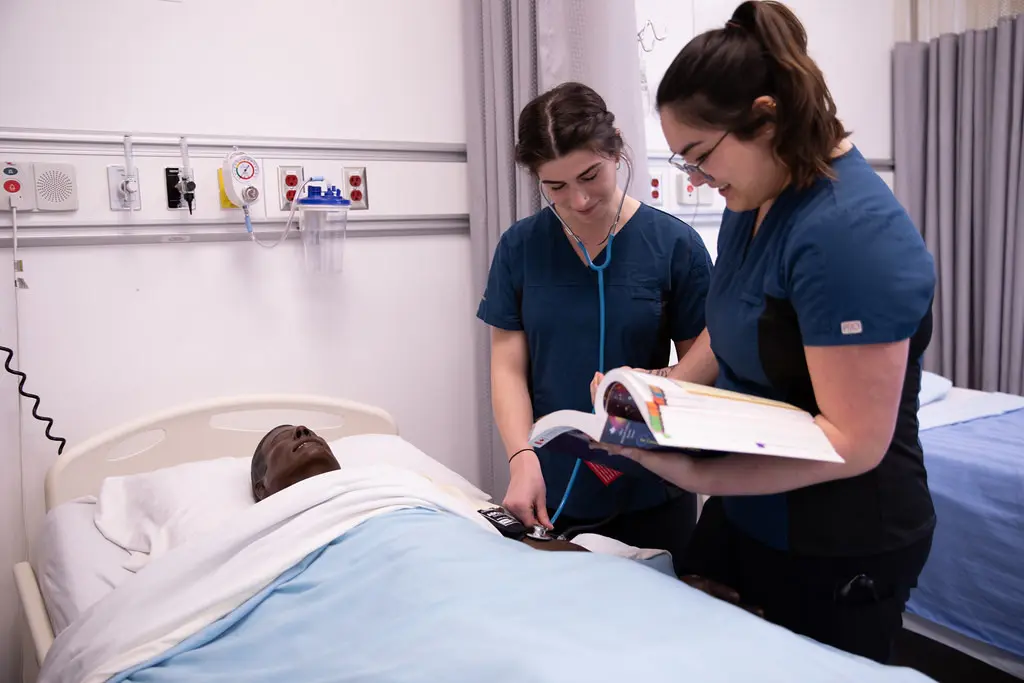
A practical nursing diploma is one of the most direct and efficient pathways into the healthcare field for individuals who want to work closely with patients. It focuses on developing essential clinical skills and hands-on experience needed to provide basic patient care under the supervision of registered nurses and physicians. As healthcare systems continue to grow and patient needs become more complex, practical nurses play an important role in delivering consistent, compassionate care in a variety of medical settings.
What You Learn in a Practical Nursing Diploma Program
A practical nursing diploma program is designed to prepare students for real-world clinical environments. The curriculum typically begins with foundational subjects such as anatomy, physiology, infection control, and basic nursing principles. These courses help students understand how the human body functions and how to respond to common health conditions.
As the program progresses, students move into more specialized training focused on patient care. This includes medication administration, wound care, vital signs monitoring, and assisting patients with daily activities such as bathing, eating, and mobility. Students also learn about patient communication, medical terminology, and healthcare ethics.
A key component of a practical nursing diploma is clinical training. Students spend time in hospitals, long-term care facilities, or clinics where they apply what they have learned in real healthcare environments. This hands-on experience is essential for building confidence and developing the practical skills required in nursing roles.
Skills Developed Through Hands-On Nursing Training
One of the biggest advantages of a practical nursing diploma is the development of hands-on clinical skills. Students learn how to perform essential nursing tasks accurately and safely, including taking vital signs, administering basic treatments, and assisting with patient care routines.
Communication is another critical skill developed during training. Practical nurses must interact with patients, families, and healthcare teams, often in high-stress situations. Clear and compassionate communication helps ensure that patients feel supported and that care is delivered effectively.
Attention to detail is also extremely important in nursing. Even small observations can indicate changes in a patient’s condition, so practical nurses must be alert and observant at all times. Time management and teamwork skills are also emphasized, as nurses often work in fast-paced environments where coordination with others is essential.
These combined skills prepare graduates to handle the daily responsibilities of patient care with professionalism and confidence.
Career Opportunities for Practical Nursing Graduates
Graduates of a practical nursing diploma program can pursue a variety of entry-level healthcare roles. The most common position is Licensed Practical Nurse (LPN), also known as Licensed Vocational Nurse (LVN) in some regions. LPNs work in hospitals, nursing homes, rehabilitation centers, and outpatient clinics, providing essential bedside care to patients.
In addition to hospital settings, practical nurses may work in home healthcare, assisting patients who need medical support in their own homes. Some also find opportunities in specialized care environments such as pediatric clinics, mental health facilities, or long-term care centers.
With experience, practical nurses can expand their responsibilities or pursue further education to become registered nurses (RNs) or specialize in specific areas of healthcare. The demand for skilled nursing professionals continues to grow, creating stable and long-term career opportunities.
Conclusion
A practical nursing diploma offers a direct and hands-on pathway into the healthcare field. By combining classroom instruction with real clinical experience, it prepares students to provide essential patient care in a variety of settings. For those who are passionate about helping others and want a practical, fast-track entry into nursing, this diploma provides a strong foundation for a rewarding and stable career in patient care.