
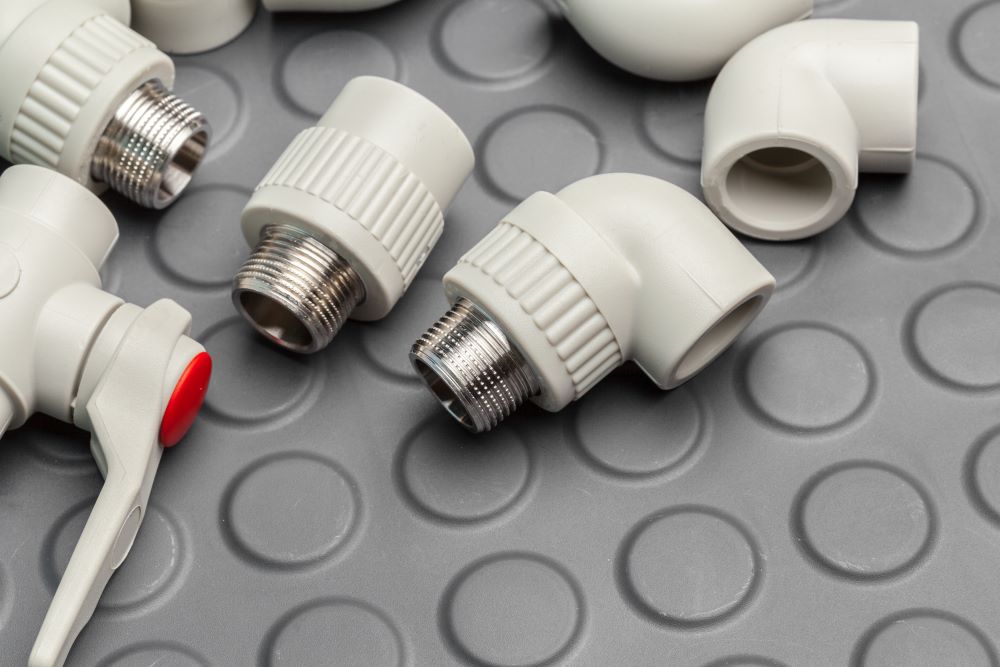
Kenya’s construction industry is booming. From Nairobi’s high-rise apartments to rural water supply projects, the demand for reliable, long-lasting plumbing solutions has never been higher. And right at the center of this growth is one material that contractors, developers, and homeowners are increasingly turning to: PPR pipes. If you’ve been hearing about PPR pipes in Kenya but aren’t sure what they are, why they matter, or where to get them — this guide covers everything you need to know.
What Are PPR Pipes?
PPR stands for Polypropylene Random Copolymer. PPR pipes are a type of thermoplastic piping made from a random copolymer of polypropylene — a high-performance plastic material known for its strength, flexibility, and resistance to heat and chemicals. Unlike traditional metal pipes or basic PVC piping, PPR pipes are engineered to handle both hot and cold water systems, making them one of the most versatile plumbing solutions available in the Kenyan market today. They are joined using a heat fusion welding method, which melts the pipe and fitting together to create a single, seamless, leak-proof joint — far more reliable than threaded or glued connections.
Why PPR Pipes Are Gaining Popularity in Kenya
Kenya’s plumbing market has traditionally been dominated by galvanized steel and PVC pipes. But PPR pipes are rapidly taking over — and for very good reasons.
1. Exceptional Durability
PPR pipes have an average service life of 50 years or more under normal operating conditions. They do not rust, corrode, or scale on the inside — a major advantage over galvanized steel pipes that degrade over time and contaminate water supply.
2. Suitable for Hot and Cold Water
One of the biggest advantages of PPR pipes in Kenya is their ability to handle both hot and cold water systems. They can withstand temperatures of up to 95°C, making them ideal for solar water heating systems, which are increasingly common in Kenyan homes and commercial buildings.
3. Leak-Free Performance
The heat fusion welding process creates joints that are molecularly bonded — meaning the connection is as strong as the pipe itself. There are no weak points, no gaskets to fail, and no threads to loosen over time.
4. Safe for Drinking Water
PPR pipes are non-toxic and do not leach harmful chemicals into the water supply. They meet international food-grade and drinking water safety standards, making them fully suitable for residential and commercial potable water systems.
5. Lightweight and Easy to Install
Compared to metal pipes, PPR pipes are significantly lighter, reducing transportation costs and making installation faster and easier. This translates directly into lower labor costs on construction projects across Kenya.
6. Low Maintenance Cost
Once installed correctly, PPR pipes require virtually zero maintenance. No painting, no anti-rust treatment, no periodic replacement of fittings. Over the lifetime of a building, the savings are substantial.
7. Excellent Flow Rate
The smooth inner surface of PPR pipes reduces friction and prevents buildup, maintaining strong and consistent water pressure throughout the system — even in multi-story buildings.
Common Applications of PPR Pipes in Kenya
PPR pipes are used across a wide range of applications in Kenya’s construction and infrastructure sectors:
- Residential plumbing — Hot and cold water supply in homes and apartments
- Commercial buildings — Hotels, offices, shopping malls, and hospitals
- Industrial use — Chemical and fluid transport in factories and processing plants
- Solar water heating systems — Connecting solar collectors to storage tanks
- Agricultural irrigation — Water distribution in greenhouses and farms
- Borehole water systems — Connecting boreholes to storage and distribution networks
- Swimming pool plumbing — Chemical-resistant piping for pool systems
PPR Pipe Sizes and Pressure Ratings Available in Kenya
PPR pipes in Kenya are available in a wide range of sizes and pressure classes to suit different applications:
Common Sizes:
- 20mm, 25mm, 32mm, 40mm, 50mm, 63mm, 75mm, 90mm, 110mm
Pressure Classes (PN Ratings):
- PN10 — Suitable for cold water systems at lower pressure
- PN16 — Most commonly used for standard residential hot and cold water systems
- PN20 — Heavy-duty applications requiring higher pressure tolerance
- PN25 — Industrial and high-pressure systems
For most residential and light commercial projects in Kenya, PN16 pipes are the standard choice — offering a reliable balance of strength, flexibility, and cost.
PPR Pipe Prices in Kenya
PPR pipe prices in Kenya vary depending on size, pressure rating, brand, and supplier. Here is a general price guide for the Kenyan market:
| Pipe Size | PN Rating | Approximate Price (KES per 4m length) |
|---|---|---|
| 20mm | PN16 | KES 350 – 550 |
| 25mm | PN16 | KES 550 – 800 |
| 32mm | PN16 | KES 900 – 1,300 |
| 40mm | PN16 | KES 1,400 – 2,000 |
| 50mm | PN16 | KES 2,200 – 3,200 |
| 63mm | PN16 | KES 3,500 – 5,000 |
Note: Prices fluctuate based on market conditions, import costs, and supplier. Always get updated quotes directly from your supplier.
How to Choose the Right PPR Pipe in Kenya
With many brands and suppliers in the Kenyan market, choosing the right PPR pipe requires some careful consideration:
Check the PN Rating Match the pressure class to your application. Using PN10 pipes for a hot water system is a common and costly mistake. When in doubt, go one rating higher for added safety.
Verify Brand Quality Stick to established brands with proven track records in the Kenyan market. Quality PPR pipes are manufactured under ISO standards and carry proper certification marks.
Inspect Physical Quality Genuine PPR pipes have a uniform color throughout the pipe wall, not just on the surface. The material should feel solid and consistent — lightweight or hollow-feeling pipes are a red flag.
Buy from Reputable Suppliers Purchase from established hardware stores or authorized distributors. Counterfeit PPR pipes are a real problem in Kenya — they look identical to genuine products but fail prematurely under heat or pressure.
Use Proper Fittings Always use PPR fittings from the same brand as your pipes. Mixing brands can cause compatibility issues and compromise the integrity of your joints.
PPR Pipe Installation Tips for Kenya
Proper installation is just as important as product quality. Here are key tips to ensure a long-lasting PPR pipe system:
- Use the correct fusion welding tool — A quality pipe welding machine set to the right temperature (260°C) is essential for strong, leak-free joints.
- Allow joints to cool properly — Never apply pressure to a freshly welded joint. Allow at least 30–60 seconds of cooling time before moving or pressurizing.
- Support pipes correctly — Use proper pipe clips and brackets at recommended intervals to prevent sagging, especially for hot water lines.
- Pressure test before covering — Always pressure-test the system before plastering walls or closing floors to catch any weak joints early.
- Hire certified plumbers — PPR installation looks simple but requires skill. A poorly made fusion joint will fail. Invest in experienced, trained plumbers.
Final Thoughts
PPR pipes have earned their place as the gold standard for modern plumbing in Kenya. Their durability, safety, heat resistance, and leak-free performance make them a superior choice for any residential, commercial, or industrial plumbing project. As Kenya continues to urbanize and construction standards rise, the shift toward PPR piping is not a trend — it’s the new normal. Whether you’re building a new home in Nairobi, setting up a hotel in Mombasa, or running a water project in rural Kenya, PPR pipes deliver the reliability and long-term value your project deserves. Choose quality, choose certified products, and hire skilled installers — and your PPR pipe system will serve you trouble-free for decades to come.