

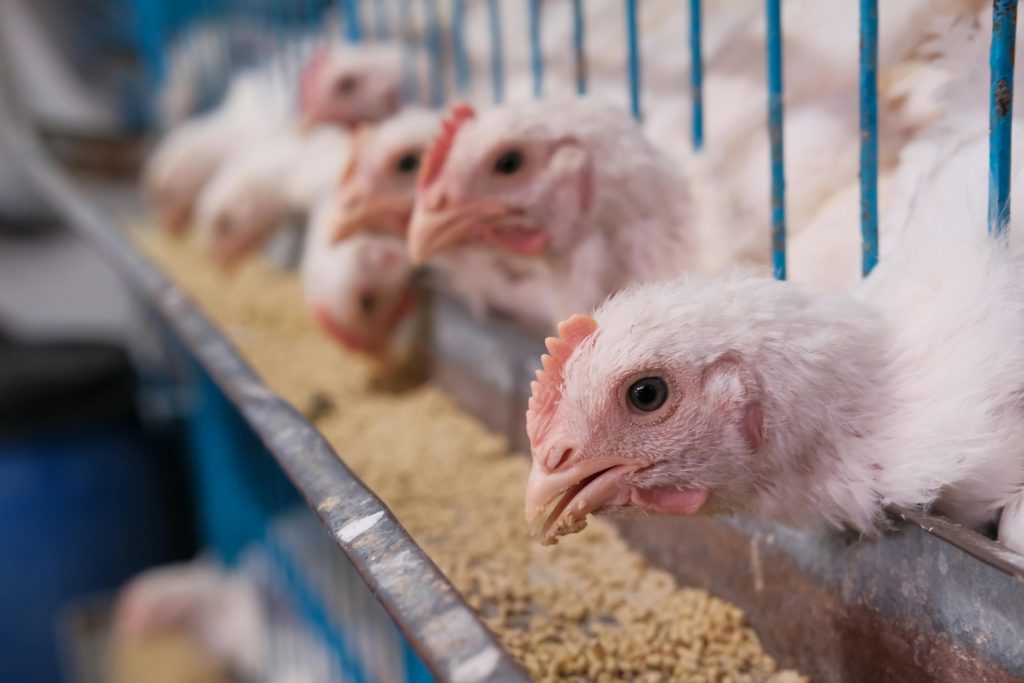
Proper poultry feed is one of the most important factors in raising healthy chickens, ducks, turkeys, and other birds successfully. Whether managing a backyard flock, a small farm, or a large-scale poultry operation, the quality and type of feed directly impact growth, egg production, immunity, and overall bird health. Choosing a reliable chicken feed store can help ensure your flock receives high-quality nutrition tailored to each stage of development. Feeding poultry is far more than simply filling a feeder, it requires understanding nutritional needs at different life stages and selecting the right feed formulas to support long-term flock performance.
Why Poultry Feed Matters
Poultry birds require a balanced diet to maintain energy, develop properly, and produce eggs or meat efficiently. Unlike some livestock that can forage for a large portion of their nutrition, poultry rely heavily on formulated feed to receive the protein, vitamins, minerals, and nutrients they need.
Poor-quality feed or improper feeding schedules can lead to:
- Slow growth
- Reduced egg production
- Weak eggshells
- Feather loss
- Behavioral problems like pecking
- Increased susceptibility to illness
High-quality poultry feed helps birds maintain healthy immune systems while improving feed conversion and productivity.
Main Types of Poultry Feed
Different poultry feeds are designed for specific stages of development and production goals. Choosing the right feed is essential for maintaining healthy birds.
Starter Feed
Starter feed is formulated for young chicks and poults during the first weeks of life. It typically contains higher protein levels to support rapid growth and development.
Benefits include:
- Strong muscle and bone development
- Improved feather growth
- Better early immune support
Starter feed is usually fed from the hatch until around 6–8 weeks of age, depending on the species.
Grower Feed
As birds mature, they transition to grower feed. This formula contains slightly less protein than starter feed while still supporting steady growth.
Grower feed helps:
- Maintain healthy weight gain
- Prevent overly rapid development
- Prepare birds for laying or finishing stages
This feed stage is important for avoiding nutritional imbalances during adolescence.
Layer Feed
Layer feed is designed specifically for hens producing eggs. It contains additional calcium and nutrients needed for eggshell production and consistent laying performance.
A quality layer feed supports:
- Strong eggshells
- Better egg quality
- Consistent laying cycles
- Long-term hen health
Most hens transition to layer feed around 18–20 weeks of age when egg production begins.
Broiler Feed
Broiler feed is formulated for meat birds and focuses on rapid weight gain and muscle development. It often contains higher protein and energy levels to maximize growth efficiency.
Broiler feed programs are carefully managed to:
- Improve feed conversion ratios
- Support healthy growth rates
- Produce quality meat yield
Common Poultry Feed Ingredients
Most poultry feed blends include a combination of grains, proteins, vitamins, and minerals.
Typical ingredients include:
- Corn for energy
- Soybean meal for protein
- Wheat or oats for fiber
- Calcium supplements for bone and shell health
- Vitamins and minerals for immunity and development
Some feed formulations also include probiotics, amino acids, or natural additives to improve digestion and flock health.
Mash, Pellets, and Crumbles
Poultry feed is available in different physical forms, each with its own advantages.
Mash
Mash feed has a loose, ground texture and is often more economical. However, birds may waste more feed with mash.
Pellets
Pellets compress feed into dense pieces, reducing waste and improving feed efficiency.
Crumbles
Crumbles are broken pellets commonly used for chicks because they are easier to consume.
The best option depends on bird age, feeding habits, and operational goals.
The Importance of Fresh Water
Even the best poultry feed cannot support healthy birds without constant access to clean water. Poultry consumes significant amounts of water daily, especially during hot weather and peak egg production.
Dirty or limited water access can reduce feed intake and negatively impact health and productivity.
Bulk Poultry Feed and Cost Savings
For farms and larger flocks, purchasing poultry feed in bulk can help reduce costs significantly. Bulk feed purchasing often lowers the cost per pound and ensures feed availability during seasonal demand increases.
Benefits of bulk poultry feed include:
- Lower long-term feed costs
- Fewer supply runs
- Improved operational efficiency
- Better preparedness during shortages
Proper storage is critical to prevent moisture, pests, and spoilage.
Final Thoughts
Poultry feed is the foundation of a healthy, productive flock. From starter feed for young chicks to specialized layer and broiler formulas, each stage of poultry development requires balanced nutrition to support growth, egg production, and overall wellness.
Choosing high-quality feed, understanding your flock’s nutritional needs, and maintaining proper feeding practices can lead to healthier birds, improved productivity, and reduced long-term costs. Whether raising a few backyard hens or managing a larger poultry operation, investing in the right poultry feed is one of the most important decisions any poultry owner can make.