

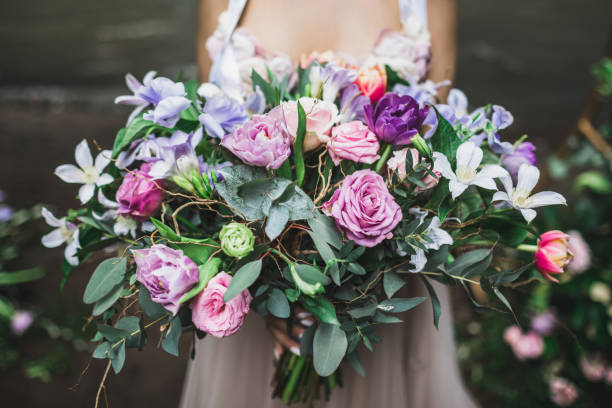
Flowers account for 8 to 10 percent of the average wedding budget, yet most couples enter florist consultations with nothing more than a Pinterest board and vague notions of what they want. The result is predictable: sticker shock when quotes arrive, awkward compromises that don’t match your vision, or overspending that strains other budget categories.
AI tools are transforming how couples approach floral planning. From translating visual inspiration into specific flower varieties to optimizing arrangements for budget constraints, these technologies help you get the florals you want at prices you can afford. Here’s how to use AI throughout your flower planning process.
Why Floral Planning Is Uniquely Challenging
Wedding flowers sit at the intersection of aesthetics, logistics, and economics in ways that make them particularly difficult to plan.
Visual-to-verbal translation trips up most couples. You know what you want when you see it, but describing “that soft romantic look with the blush tones and trailing greenery” in terms florists can price requires vocabulary most people lack. What specific flowers create that look? What quantities? What structural elements? The gap between inspiration images and actionable specifications is wider for florals than almost any other wedding element.
Seasonal and regional availability affects both price and possibility. That peony-heavy bouquet on your Pinterest board might be impossible or prohibitively expensive for your October wedding. Florists know this; couples usually don’t. The mismatch creates frustration during consultations.
Price opacity makes comparison shopping difficult. Unlike venues or photographers with published rates, floral pricing varies enormously based on flower selection, arrangement complexity, and individual florist markup. The same general look might cost $3,000 from one florist and $8,000 from another, and understanding why requires expertise most couples lack.
Quantity estimation challenges even organized planners. How many centerpieces do you need? Bouquets? Boutonnieres? Ceremony arrangements? Personal flowers for family members? The full scope of wedding florals extends far beyond the bridal bouquet, and missing elements surface as stressful last-minute additions.
Preservation of vision through budget constraints requires creative problem-solving. When your dream florals exceed your budget, what substitutions maintain the aesthetic while reducing cost? This optimization requires knowledge of flower varieties, pricing patterns, and design alternatives that takes florists years to develop.
How AI Addresses Floral Challenges
AI tools help at each pain point in the floral planning process.
Image analysis translates inspiration into specifications. Upload your Pinterest saves and AI identifies specific flowers, colors, and structural elements. That dreamy bouquet you love? AI can tell you it features garden roses, ranunculus, sweet peas, and eucalyptus in blush and cream tones with a loose, organic structure. Now you have vocabulary for florist conversations.
Seasonal guidance flags availability issues before you fall in love with impossibilities. AI cross-references identified flowers against your wedding date and region, warning when selections are out of season and suggesting alternatives with similar aesthetics that will be available and affordable.
Budget estimation provides ballpark pricing before florist consultations. Based on your flower selections, quantities, and arrangement complexity, AI generates rough cost ranges so you enter conversations with realistic expectations rather than hope-based assumptions.
Substitution suggestions maintain aesthetics within constraints. If garden roses blow your budget, AI suggests similar-looking alternatives at lower price points. If peonies aren’t available in your season, it identifies flowers with comparable fullness and romance. These substitutions preserve your vision while respecting reality.
Quantity calculation ensures completeness. Input your wedding party size, table count, ceremony configuration, and family flower needs. AI generates comprehensive flower requirement lists so nothing gets forgotten until the expensive last-minute scramble.
For couples wanting thorough guidance on all aspects of wedding florals, comprehensive resources on wedding flower planning cover everything from seasonal selection to florist communication.
Starting With Inspiration Analysis
The first step in AI-assisted floral planning is understanding what you actually want.
Gather your inspiration images. Pull everything that resonates from Pinterest, Instagram, wedding blogs, and magazines. Don’t filter yet. Include anything that captures elements you love, even if images seem inconsistent with each other.
Upload for AI analysis. Feed your inspiration collection to AI tools that can identify floral elements. The technology recognizes specific flower varieties, color palettes, greenery types, and structural approaches.
Identify patterns. AI surfaces commonalities across your inspiration. Maybe you consistently gravitate toward loose, garden-style arrangements. Maybe blush and cream appear in every image. Maybe greenery-heavy designs dominate. These patterns reveal your actual preferences more accurately than verbal descriptions.
Build your specification vocabulary. With AI-identified elements, you now have specific terms for florist conversations. Instead of “romantic and soft,” you can say “garden roses, ranunculus, and lisianthus in blush, cream, and mauve with eucalyptus and Italian ruscus in a loose, asymmetrical style.” This specificity gets you better quotes and better results.
Flag potential issues early. AI analysis might reveal that your inspiration relies heavily on flowers unavailable in your season or price range. Better to know now than during your first florist consultation.
Seasonal Strategy
Flower seasonality dramatically affects both availability and price. AI helps you navigate this reality.
Peak season alignment produces the best outcomes. Flowers in their natural growing season are abundant, affordable, and at their most beautiful. AI matches your identified preferences against seasonal availability for your wedding date.
Off-season alternatives maintain aesthetics when direct matches aren’t available. If you love peonies but you’re getting married in October, AI suggests dahlias, garden roses, or ranunculus as alternatives offering similar fullness and romantic feel. These substitutions aren’t compromises; they’re smart planning.
Year-round options anchor your arrangements. Certain flowers, greenery types, and structural elements are available regardless of season. AI identifies which of your preferences fall into this category, giving you consistent elements to build around.
Import considerations affect pricing for out-of-season requests. Your florist can source almost anything if you’re willing to pay, but imported flowers cost more and may arrive in less-than-perfect condition. AI helps you understand when you’re requesting imports so you can make informed decisions.
Regional variation matters beyond general seasonality. Growing conditions differ between Florida and Minnesota, Southern California and New England. AI accounts for your specific region when making availability assessments.
Budget Optimization
Floral budgets require strategic allocation across multiple elements. AI helps you spend wisely.
High-impact versus low-impact allocation guides where to spend. Your bridal bouquet appears in dozens of photos. Table centerpieces are seen throughout the reception. Ceremony arch florals create your backdrop during vows. These high-visibility elements deserve budget priority. Cocktail table arrangements and bathroom flowers matter less. AI helps you identify where spending delivers the most value.
Bloom Math reveals cost structures. Large, showy flowers like peonies and garden roses command premium prices. Smaller blooms like spray roses and wax flower cost less but require more stems for similar visual impact. Greenery provides affordable volume. AI helps you understand the economics behind different looks.
Arrangement complexity affects labor costs. Elaborate cascading bouquets and intricate centerpiece designs require more florist time than simple hand-tied bunches and loose garden-style arrangements. AI estimates labor implications of different design approaches.
Quantity reduction strategies cut costs without sacrificing impact. Fewer but larger centerpieces. Greenery-focused arrangements with strategic flower placement. Ceremony flowers that relocate to reception. AI suggests specific strategies matching your situation.
Substitution tables provide cost-effective alternatives. For each premium flower in your inspiration, AI suggests three to five alternatives at different price points with similar aesthetic impact. You make informed tradeoffs rather than accepting florist suggestions blindly.
For broader guidance on making wedding budget decisions across all categories, resources covering wedding budget tips help contextualize floral spending within your total financial picture.
Building Your Floral Checklist
Comprehensive floral planning requires accounting for every element. AI-generated checklists prevent surprises.
Personal flowers include more than you might initially consider:
- Bridal bouquet (and possibly toss bouquet)
- Bridesmaid bouquets (quantity matching your party)
- Flower girl petals or small bouquet
- Boutonnieres for groom, groomsmen, fathers, grandfathers, officiant, ring bearer
- Corsages for mothers, grandmothers, and any honored women
- Hair flowers if applicable
Ceremony flowers establish your visual backdrop:
- Altar or arch arrangements
- Aisle markers or pew decorations
- Entrance arrangements
- Unity ceremony accent flowers
Reception flowers cover your entire venue:
- Centerpieces (quantity based on table count)
- Head table or sweetheart table arrangements
- Cake table flowers
- Guest book table arrangement
- Escort card table display
- Bar arrangements
- Cocktail table flowers
- Restroom arrangements
- Any additional venue accent needs
Additional elements often overlooked:
- Rehearsal dinner flowers
- Welcome party arrangements
- Getting-ready room flowers
- Flower preservation or pressing
AI generates complete checklists customized for your wedding configuration, ensuring your florist quote covers everything rather than surprising you with add-ons later.
Working With Florists More Effectively
AI preparation transforms florist consultations from overwhelming to productive.
Informed initial meetings demonstrate your seriousness. Arriving with specific flower names, color specifications, and realistic budget expectations signals to florists that you’re a prepared client worth their best effort.
Quote comparison becomes meaningful when you provide consistent specifications. Give each florist the same detailed requirements and you receive quotes you can actually compare. Without standardization, you’re comparing apples to orchids.
Design collaboration improves when you speak the same language. Your AI-developed vocabulary allows real conversation about options, substitutions, and creative approaches rather than florists interpreting your vague descriptions however they choose.
Budget negotiation starts from knowledge rather than ignorance. When you understand roughly what things should cost, you can push back on outlier quotes and recognize when pricing reflects premium quality versus excessive markup.
Revision requests become specific and actionable. Instead of “this is too expensive, make it cheaper,” you can say “substitute the garden roses for spray roses and reduce the greenery variety to just eucalyptus.” Specific requests get better results.
DIY Considerations
Some couples handle their own flowers to save money. AI helps evaluate whether this approach makes sense for you.
Feasibility assessment considers your specific situation. DIY flowers work best for simpler designs, smaller weddings, and couples with genuinely helpful support networks. AI can analyze your requirements against typical DIY success factors.
Wholesale sourcing guidance identifies where to buy flowers for self-arranging. AI suggests wholesale options, farmer’s markets, and direct-from-farm services based on your location and timing.
Timeline planning ensures flowers arrive fresh and get arranged in time. Wholesale flowers typically arrive two to three days before the wedding. Arranging takes longer than amateurs expect. AI helps build realistic schedules.
Skill matching aligns your capabilities with your ambitions. Simple hand-tied bouquets and loose centerpiece styles are manageable for beginners. Elaborate structured arrangements require skills most amateurs lack. AI suggests designs matching your experience level.
Hybrid approaches combine professional and DIY elements. Have a florist create the bridal bouquet and ceremony arrangements while you handle simpler centerpieces. AI helps identify which elements to outsource versus self-manage.
Color and Style Cohesion
Florals must integrate with your broader wedding aesthetic. AI helps maintain visual consistency.
Color palette verification ensures floral selections match your overall scheme. Upload your color references and AI confirms whether proposed flowers align or suggests adjustments.
Style consistency maintains design language throughout. If your wedding aesthetic is modern and minimalist, traditional ball-shaped centerpieces create dissonance. AI identifies style conflicts between floral choices and overall wedding vision.
Venue integration considers your space. Dramatic tall centerpieces might overwhelm an intimate room. Delicate small arrangements might disappear in a grand ballroom. AI suggests scale and style appropriate for your specific venue.
Photography optimization considers how florals will appear in images. Certain colors photograph differently than they appear in person. White flowers can blow out in bright light. AI flags potential photographic issues with your selections.
Preservation and Afterlife
What happens to your flowers after the wedding deserves consideration during planning.
Preservation options vary by flower type. Some varieties press or dry beautifully. Others don’t survive preservation attempts. If keeping your bouquet matters, AI helps you select flowers compatible with your preferred preservation method.
Guest takeaway possibilities give flowers extended life. Centerpieces sent home with guests reduce waste and provide lovely party favors. Designing for take-home compatibility (removable elements, stable containers) requires upfront planning.
Donation coordination benefits local organizations. Nursing homes, hospitals, and community centers often welcome wedding flower donations. Planning for donation affects arrangement style and timeline.
Composting reality acknowledges that most wedding flowers end up discarded. If environmental impact concerns you, AI can suggest more sustainable approaches: locally grown flowers, seasonal selections, potted plants, or dried and preserved elements.
Making Final Decisions
With AI-assisted research complete, final decisions become clearer.
Priority ranking forces tradeoffs when budget constraints bite. Which elements matter most to you? The bridal bouquet you’ll carry in photos forever? The centerpieces guests will admire all evening? The ceremony backdrop for your vow exchange? Rank priorities so cuts happen to less-important elements.
Vendor selection uses your preparation. Choose the florist whose aesthetic matches your vision, whose communication style you prefer, and whose pricing falls within your range. Your AI-developed specifications make comparison straightforward.
Contract clarity ensures your quote matches your expectations. Review line by line that every element on your checklist appears with appropriate specifications. Vague contract language invites disappointing surprises.
Revision planning acknowledges that adjustments happen. Build a timeline for final changes that gives your florist adequate notice while accommodating your own decision process.
Floral planning doesn’t have to be overwhelming. AI tools provide the knowledge, vocabulary, and strategic framework to approach this significant budget category with confidence. You’ll get flowers that match your vision at prices that match your means, and you’ll actually enjoy the process of creating your wedding’s most beautiful visual elements.