

A telescopic boom lift is a straight-arm aerial work platform that extends outward and upward in a single, direct reach — making it ideal for elevated tasks that require horizontal outreach, precise positioning, and stable access at heights ranging from 12 to over 40 metres. For project managers and contractors planning high-level work, it reduces setup time, improves site safety, and eliminates the need for scaffolding in many scenarios. Learn more about available options at telescopic boom lift configurations suited for Singapore projects.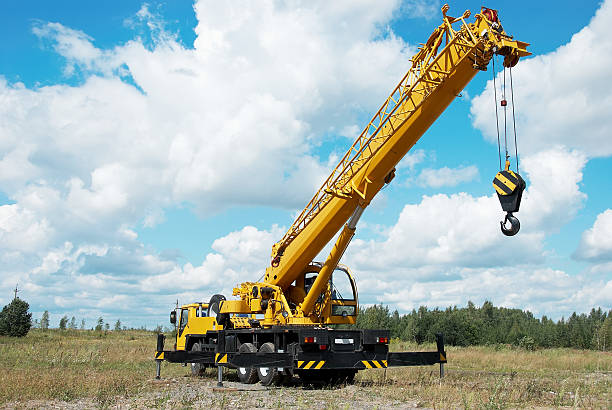
What Makes a Telescopic Boom Lift Different From Other Access Equipment?
Not all aerial lift equipment works the same way. A telescopic (or straight-boom) model extends in a linear direction, unlike an articulating boom which bends at joints. That straight-line reach is a significant advantage when you need to access a point directly above or horizontally offset from where the machine is parked.
Think about façade inspection on a high-rise, installing cladding panels, or maintenance work on elevated industrial structures. In each case, the ability to reach out — not just up — is what determines whether the job gets done efficiently or becomes a logistical headache.
Key Reasons to Choose a Telescopic Boom Lift for Your Next Project
1. Greater Horizontal Outreach
Telescopic models deliver significantly more horizontal reach than scissor lifts or articulating booms. Some heavy-duty units offer up to 24 metres of horizontal outreach. This means you can position the machine away from fragile surfaces, underground utilities, or restricted zones and still reach your workpoint comfortably.
2. Faster Positioning and Setup
On active construction sites, time lost repositioning equipment translates directly into cost overruns. Telescopic boom lifts extend and retract in a single smooth motion. Workers spend less time adjusting the platform and more time doing the actual work. That efficiency compounds across a multi-day project.
3. Suitable for Outdoor and Uneven Terrain
Most telescopic models are built on rough-terrain chassis with 4-wheel drive and oscillating axles. In Singapore, where construction sites often deal with soft ground, temporary gravel pads, or uneven sub-bases, this matters. The machine stays stable without needing a perfectly levelled surface.
4. Higher Safe Working Load
Telescopic boom lifts typically carry a safe working load (SWL) of 230–350 kg, enough for two workers plus tools and materials. That’s a meaningful improvement over single-occupancy platforms and reduces the number of lifts needed to complete a task.
5. Compliance With Working at Height Regulations
In Singapore, working at height is governed by the Workplace Safety and Health (Work at Heights) Regulations 2013, administered by the Ministry of Manpower (MOM). These regulations require that all work at height be properly planned, supervised, and carried out using suitable equipment. A well-maintained, certified boom lift satisfies this requirement in a way that ladders and improvised platforms simply cannot.
When Does a Telescopic Boom Lift Make More Sense Than Scaffolding?
Scaffolding is still the right call for long-duration perimeter work. But for isolated access tasks, telescopic boom lifts offer clear advantages:
- No erection or dismantling time — drive it in, extend, work, retract, done
- No permit-to-erect scaffolding requirements under many site classifications
- Repositionable across multiple locations in a single day
- Lower total cost for short-duration, high-access tasks
- Smaller footprint compared to full scaffolding structures
For MEP contractors, façade consultants, or inspection teams working across different levels of a building in a single visit, the telescopic lift is often the more practical and cost-effective choice.
Telescopic vs. Articulating Boom Lifts: A Quick Comparison
| Feature | Telescopic Boom Lift | Articulating Boom Lift |
|---|---|---|
| Reach type | Straight, linear | Multi-joint, flexible |
| Horizontal outreach | Higher (up to 24m) | Lower |
| Best for | Open outdoor sites | Tight indoor spaces |
| Terrain handling | Excellent (rough terrain) | Moderate |
| Setup speed | Fast | Moderate |
| Typical working height | 18m – 43m+ | 10m – 30m |
Use the telescopic model when your priority is reach, speed, and outdoor versatility. Choose an articulating model when you need to work around obstacles or in confined overhead spaces.
What to Plan Before You Book a Boom Lift Rental in Singapore
A boom lift rental in Singapore is straightforward — but the planning stage determines whether the machine actually solves your problem on site. Before confirming your rental, run through these considerations:
Working Height and Outreach Requirements
Measure the highest workpoint and the horizontal distance from your ideal machine position. Add a 20% buffer to both figures. Undersizing the lift means you’ll be repositioning constantly, which defeats the purpose.
Ground Conditions and Access Routes
Confirm the ground bearing capacity at the intended work zone. Telescopic boom lifts are heavy — some units exceed 15,000 kg. Check if the site access route can handle the transport vehicle and machine width. Tight gantry heights or soft ground near drainage channels are common Singapore site constraints worth flagging early.
Operator Certification
Under MOM guidelines, operators of mobile elevating work platforms (MEWPs) must be trained and competent. Confirm that your team holds the relevant certification — or check whether your rental provider can arrange a trained operator as part of the engagement.
Duration and Frequency of Use
Short-duration, single-task jobs usually favour rental over purchase. If your project requires boom lift access across multiple phases or worksites over several months, discuss long-term hire arrangements with your equipment supplier — rates and terms often become more favourable at that scale.
Common Industries That Rely on Telescopic Boom Lifts in Singapore
These machines show up across a wide range of sectors where working at height is a routine requirement:
- Construction and civil engineering — structural inspections, formwork, steel fixing at height
- Building maintenance — façade cleaning, external lighting, HVAC servicing
- Oil, gas, and petrochemical — plant maintenance on storage tanks and elevated pipework
- Shipbuilding and marine — hull maintenance and inspection in dry docks
- Events and infrastructure — large-format signage installation, overhead rigging
The common thread across all these use cases: the task is at height, the access window is limited, and speed of mobilisation matters. That’s exactly where the telescopic boom delivers value that generic access equipment simply can’t match.
Final Thoughts
A well-chosen telescopic boom lift doesn’t just get workers to height — it makes the entire project run more predictably. Fewer delays, cleaner compliance documentation, and lower risk of improvised workarounds. If you’re scoping out elevated work for an upcoming project in Singapore, A&G Equipment offers a range of boom lift options with the technical support to help you match the right machine to the job. Getting the specification right at the planning stage is always cheaper than correcting it on site.
Frequently Asked Questions
What is a telescopic boom lift used for?
A telescopic boom lift is used for tasks requiring straight-line elevated access — such as façade maintenance, structural inspections, cladding installation, and overhead MEP work. It extends directly outward and upward, making it ideal for outdoor sites where horizontal reach and working height both matter.
How high can a telescopic boom lift reach?
Most telescopic boom lifts offer working heights between 18 metres and 43 metres, with some heavy-duty models exceeding that range. The right working height depends on your specific task — always add a safety buffer of at least 1.5 to 2 metres above the actual workpoint when selecting a model.
Is a boom lift rental in Singapore regulated by MOM?
Yes. The use of mobile elevating work platforms (MEWPs) in Singapore falls under the Workplace Safety and Health (Work at Heights) Regulations 2013. Operators must be trained and competent, and the equipment must be properly maintained and inspected before use on any worksite.
When should I choose a telescopic boom lift over scaffolding?
Choose a telescopic boom lift when your task is short-duration, involves multiple access points, or requires quick repositioning. Scaffolding suits long-term perimeter work. For isolated access jobs, boom lifts are faster to mobilise, require no erection permit in most cases, and typically cost less for tasks under two weeks.
What ground conditions does a telescopic boom lift need?
Telescopic boom lifts are designed for rough terrain but still require adequate ground bearing capacity — typically 8 to 12 kg/cm² depending on the machine weight. Soft or waterlogged ground may require outrigger pads or ground reinforcement. Always verify site conditions with your equipment provider before confirming the rental.
Can one operator handle a telescopic boom lift on a Singapore construction site?
Yes, telescopic boom lifts are typically operated by a single certified operator from the platform controls. However, a ground spotter is strongly recommended on busy sites. Operators must hold relevant MEWP training certification as required under Singapore’s WSH regulations before operating any aerial lift equipment independently.