
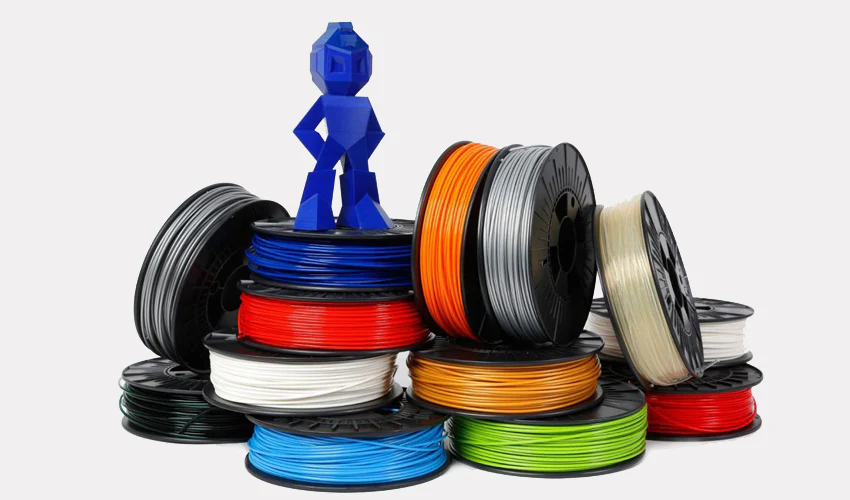
Polyethylene Terephthalate, commonly known as PET, is one of the most widely used thermoplastic polymers in the world. It belongs to the polyester family and is valued for its strength, lightweight nature, and excellent chemical resistance. PET is commonly found in everyday products such as beverage bottles, food packaging, synthetic fibers, and industrial components. Its combination of durability and recyclability has made it a material of choice across multiple industries.
PET is produced through the polymerization of ethylene glycol and terephthalic acid, resulting in a strong and stable plastic that performs well under varying environmental conditions. A widely recognized form of this material is used in advanced manufacturing and engineering applications, where consistency and performance are critical. In modern production environments, PET is often evaluated alongside similar polyester-based materials for its adaptability in both consumer and industrial products.
Key Properties of PET
PET is known for its balanced physical and chemical properties, which make it suitable for a broad range of applications. It offers a combination of strength, transparency, and resistance that few other plastics can match at the same cost level.
Some of its key properties include:
- High tensile strength and durability
- Excellent resistance to moisture and chemicals
- Good dimensional stability under heat
- Lightweight yet rigid structure
- High transparency in its natural form
These properties make PET especially useful in packaging industries where clarity and strength are essential, such as bottled beverages and food containers.
Mechanical and Thermal Performance
One of the most important characteristics of PET is its mechanical stability. It maintains structural integrity even under moderate stress, making it suitable for load-bearing applications in both consumer and industrial environments.
Thermally, PET performs well under controlled conditions but has a moderate heat resistance compared to engineering-grade plastics. It can withstand temperatures up to a certain threshold before softening, which is why it is often used in cold-fill or ambient-temperature applications rather than high-heat environments.
Manufacturing and Processing of PET
PET is typically manufactured through injection molding, blow molding, and extrusion processes. These methods allow manufacturers to produce a wide range of products, from thin films to rigid containers.
Key processing methods include:
- Injection molding for precision parts and components
- Blow molding for bottles and hollow containers
- Extrusion for films and sheets
The material’s ability to be easily molded into different shapes without losing structural integrity is one of the reasons it is so widely used in mass production industries.
Industrial Applications of PET
PET plays a significant role in several industrial sectors due to its versatility and cost-effectiveness. It is commonly used in packaging, textiles, automotive components, and electronics.
Some of the most common applications include:
- Beverage and food packaging containers
- Polyester fibers used in clothing and upholstery
- Electrical insulation materials
- Automotive interior components
- Industrial strapping and films
In the textile industry, PET is processed into polyester fibers, which are then used to produce durable and wrinkle-resistant fabrics. In packaging, its clarity and barrier properties help preserve product freshness and extend shelf life.
Advantages and Limitations of PET
PET offers several advantages that contribute to its widespread adoption. However, it also has limitations that must be considered when selecting it for specific applications.
Advantages
- Strong and durable material with long service life
- Lightweight, reducing transportation costs
- Recyclable and environmentally manageable in many regions
- Good resistance to moisture and many chemicals
Limitations
- Limited heat resistance compared to engineering plastics
- Can become brittle under certain conditions over time
- Not suitable for high-temperature industrial processes without modification
Despite these limitations, PET remains a highly efficient material for a wide range of uses due to its cost-to-performance ratio.
Environmental Impact and Recycling
One of the most important aspects of PET is its recyclability. It is widely accepted in recycling systems around the world and can be reprocessed into new bottles, fibers, and packaging materials. This helps reduce plastic waste and supports circular economy initiatives.
Recycled PET, often referred to as rPET, is increasingly being used in sustainable manufacturing practices. It reduces dependency on virgin plastic production and helps lower the environmental footprint of plastic-based products.
Conclusion
PET is a versatile and widely used thermoplastic that has become essential in modern manufacturing and daily life. Its combination of strength, transparency, and recyclability makes it suitable for industries ranging from packaging and textiles to automotive and electronics.
While it does have limitations in high-temperature environments, its overall performance and cost efficiency ensure its continued relevance in global production systems. As sustainability becomes more important, PET’s recyclability further strengthens its position as a key material in both industrial and consumer applications.