
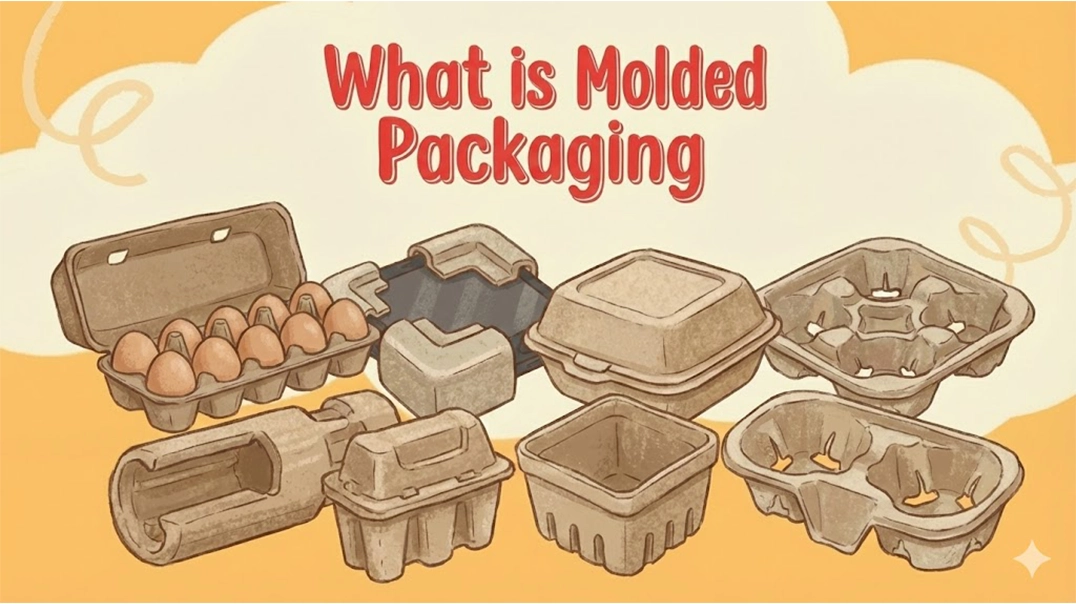
Sustainability has become a central focus for businesses across the globe, especially when it comes to packaging. As industries look for alternatives to plastic and other non-renewable materials, paper pulp packaging has emerged as one of the most practical and environmentally responsible solutions. Its ability to combine product protection with eco-friendly benefits has made it increasingly popular among manufacturers and brands alike.
Paper pulp packaging is made from recycled paper, cardboard, and other natural fibers that are molded into protective packaging products. It is biodegradable, recyclable, and often compostable, making it an attractive choice for companies seeking to reduce their environmental footprint. As demand for sustainable packaging grows, the role of paper pulp packaging manufacturers has become more significant in supporting this transition toward greener packaging solutions.
What Is Paper Pulp Packaging?
Paper pulp packaging is produced by converting recycled fiber materials into molded packaging forms. Through specialized manufacturing processes, these fibers are shaped into trays, inserts, containers, and protective packaging components designed to safeguard products during transportation and storage.
This packaging solution is widely used in industries such as:
- Consumer electronics
- Food and beverage
- Healthcare
- Cosmetics
- Industrial manufacturing
- E-commerce
Its versatility allows it to replace traditional plastic packaging in many applications while maintaining high levels of functionality.
The Growing Demand for Sustainable Packaging
Consumer awareness of environmental issues has increased dramatically in recent years. Many shoppers now consider sustainability when making purchasing decisions, encouraging companies to adopt more responsible packaging practices.
At the same time, governments around the world are implementing regulations aimed at reducing plastic waste and promoting recyclable materials. Businesses are responding by investing in packaging options that align with environmental goals while meeting operational requirements.
Paper pulp packaging fits these needs by offering a renewable and recyclable alternative that supports long-term sustainability initiatives.
How Manufacturers Are Driving Innovation
The paper pulp packaging industry has evolved significantly through technological advancements and continuous research. Modern manufacturers are developing innovative solutions that improve both performance and environmental impact.
Advanced Customization
Today’s manufacturing technologies allow for highly customized packaging designs. Businesses can create packaging that precisely fits their products, reducing excess material use and enhancing protection during shipping.
Custom-molded pulp packaging also helps improve product presentation while maintaining sustainability objectives.
Improved Product Protection
One of the most important developments in the industry is the increased strength and durability of molded pulp packaging. Advanced fiber processing techniques have made it possible to produce packaging that absorbs shock effectively and protects delicate items from damage.
This makes paper pulp packaging suitable for products such as electronics, glassware, and medical devices.
Enhanced Surface Quality
Modern production methods have significantly improved the appearance and texture of molded pulp products. Smooth finishes and precise molding capabilities enable packaging to meet both functional and aesthetic requirements.
As a result, many premium brands now use molded pulp packaging as part of their overall customer experience strategy.
Greater Environmental Efficiency
Manufacturers continue to refine production processes to reduce energy consumption and minimize waste. Many facilities incorporate recycling systems that reuse water and raw materials throughout the manufacturing cycle.
These improvements contribute to a lower overall carbon footprint and support broader sustainability goals.
Benefits for Businesses
Companies adopting paper pulp packaging can gain several advantages beyond environmental responsibility.
Reduced Environmental Impact
Because paper pulp packaging is made primarily from recycled materials, it helps conserve natural resources and reduce landfill waste. Its biodegradable properties further contribute to waste reduction efforts.
Stronger Brand Image
Consumers increasingly prefer brands that demonstrate environmental responsibility. Sustainable packaging can strengthen customer trust and enhance a company’s reputation in competitive markets.
Regulatory Readiness
As environmental regulations become stricter, businesses using recyclable and biodegradable packaging may find it easier to meet compliance requirements and avoid future challenges.
Cost Efficiency
Lightweight packaging materials can help lower shipping costs while still providing reliable product protection. Additionally, optimized packaging designs can reduce material usage and improve supply chain efficiency.
Future Trends in Paper Pulp Packaging
The future of paper pulp packaging looks promising as innovation continues to expand its capabilities. Researchers and manufacturers are exploring new fiber sources, improved moisture resistance technologies, and advanced manufacturing techniques to further enhance performance.
Emerging trends include:
- Increased use of agricultural waste fibers.
- Development of water-resistant biodegradable coatings.
- More sophisticated custom packaging designs.
- Greater integration with circular economy initiatives.
- Expansion into new industrial applications.
These advancements are expected to increase adoption across multiple sectors and strengthen the role of paper pulp packaging in sustainable business practices.
Conclusion
Sustainable packaging is no longer simply an option; it has become a strategic priority for businesses worldwide. Paper pulp packaging offers an effective solution that combines environmental responsibility, durability, and versatility.
By continuously improving manufacturing processes and developing innovative packaging technologies, paper pulp packaging manufacturers are helping businesses reduce waste, meet sustainability goals, and adapt to changing consumer expectations. Their contributions are playing a key role in shaping a more sustainable future for the global packaging industry.