

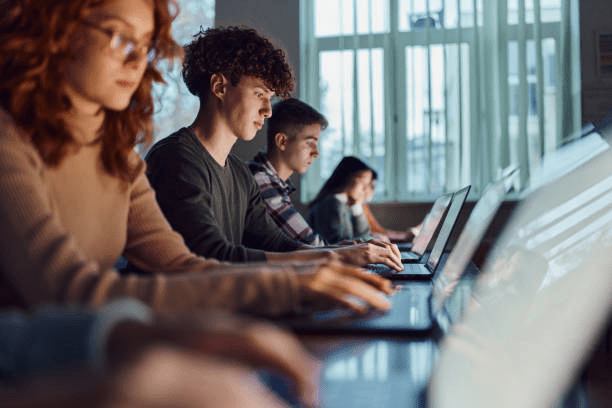
Education for students in grades 6–12 sits at a turning point. Early adolescence introduces academic specialization, social development, and growing independence, all while families begin thinking seriously about long-term outcomes. Over the past decade, schooling models have expanded beyond the familiar classroom, creating real choices rather than niche alternatives. One option gaining sustained attention is the Private School Online model, which now serves families seeking structure without physical attendance. Understanding how this approach compares with traditional schools requires a clear look at systems, expectations, and lived experience rather than assumptions. This comparison focuses on how both models function in practice for middle and high school students.
Structure of Traditional Schools
Traditional schools are built around a fixed physical environment where students and teachers share the same space each day. Timetables are usually set at the institutional level, with classes running in defined periods across a standard school day. This structure provides predictability and routine, which many families value during the formative years of grades 6–12. The physical school also acts as a social hub where learning, peer interaction, and extracurricular activity happen in one place.
Curriculum delivery in traditional schools is often synchronized. Teachers move through material at a pace designed for the group rather than the individual. Assessment schedules are aligned across classes, which can help standardize expectations but may also limit flexibility when students need more time or a different approach. Support services such as counseling or learning assistance are usually tied to on-campus availability.
Discipline and accountability in traditional settings rely heavily on physical presence. Attendance is measured by being in a seat at a specific time. Behavior management often focuses on classroom conduct and school-wide rules. For some students, this environment provides helpful external structure. For others, especially those who learn differently or progress at an uneven pace, the rigidity can become a constraint rather than a support.
How Online Private Schools Operate
An Online Private School operates through a digital learning platform rather than a physical campus. Instruction is delivered through a combination of live sessions, recorded lessons, guided assignments, and teacher feedback. While the delivery method differs, the underlying goal remains academic progression aligned with recognized standards for grades 6–12. The key difference lies in how time, space, and interaction are managed.
Scheduling in online private education is often more adaptable. Students may attend live classes at set times but complete much of their work independently within defined windows. This structure shifts responsibility toward the learner while still maintaining clear expectations. Teachers track participation through engagement metrics, submitted work, and direct communication rather than physical attendance.
Because the school exists digitally, geographic location becomes less relevant. Families are not limited by district boundaries or commuting distance. This opens access to specialized subjects, smaller class sizes, and instructional approaches that may not be available locally. The model also requires reliable technology and a home environment that supports focused study, which becomes part of the educational equation.
Learning Environment Differences
The learning environment in a traditional school is shaped by classrooms, corridors, and shared facilities. Students experience education as a collective activity with constant peer presence. This can encourage collaboration and social learning, but it can also introduce distractions, social pressure, or sensory overload for some learners. The physical setting sets the tone for behavior and interaction throughout the day.
In an online private setting, the learning environment is largely controlled by the student and family. Lessons are accessed from home or another chosen space. This can reduce external distractions while allowing learners to personalize their study area. For students who struggle with anxiety or overstimulation, this environment can make academic engagement more manageable.
At the same time, online environments require intentional social design. Interaction does not happen by default in a hallway or lunchroom. Schools must create structured opportunities for discussion, collaboration, and peer connection through virtual classrooms and group projects. When designed well, these interactions focus more on academic contribution than social hierarchy, changing how students relate to one another.
Flexibility and Scheduling Comparison
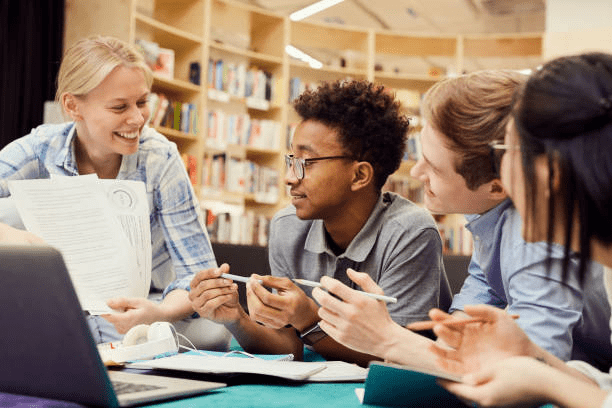
Traditional schools follow a fixed daily schedule that leaves little room for variation. School hours are largely nonnegotiable, and absences can disrupt continuity. This model suits families whose routines align naturally with school timetables and students who benefit from externally imposed structure. However, it can be challenging for students balancing other commitments or those who need a different pace.
Online education for grades 6–12 introduces flexibility without removing structure entirely. Students often have defined deadlines and live sessions but greater control over when they complete independent work. This allows learning to fit around individual rhythms, whether that involves intensive focus periods or shorter, more frequent study sessions.
Flexibility also supports students facing temporary or ongoing challenges. Health issues, travel, or family circumstances can be accommodated more easily when learning is not tied to a single location. This adaptability is one reason many families reassess their schooling choices during transitional years, particularly when traditional schedules begin to clash with real-life demands.
Academic Support and Teacher Access
In traditional schools, teacher access is often limited by time and class size. Students may have opportunities for help during lessons or designated office hours, but personalized attention depends on staffing and resources. Some learners thrive in this environment, while others struggle to get timely support when they fall behind.
An Online Private School typically builds communication into its workflow. Teachers interact with students through messaging systems, virtual meetings, and detailed feedback on assignments. Because much of the interaction is documented, students and parents can track progress and responses over time. This transparency can strengthen understanding of expectations and areas for improvement.
Academic support in online settings also extends beyond subject instruction. Learning coaches or advisors may help students develop time management and study skills. These supports recognize that independence is learned, not assumed, especially for younger secondary students. When implemented consistently, this approach can help students build habits that transfer beyond school.
Student Accountability and Progress
Accountability in traditional schools is closely tied to attendance and in-class behavior. Being present is often treated as a proxy for engagement. While assessments measure learning outcomes, day-to-day progress can be harder to quantify beyond observable participation. This system works well for students who perform consistently in structured environments.
Online models rely more heavily on measurable outputs. Assignment completion, assessment results, and participation in virtual activities form the basis of progress tracking. Students are expected to demonstrate understanding through their work rather than their physical presence. This can make gaps in learning more visible and easier to address early.
The shift in accountability also changes the role of parents. In online education, families often have greater visibility into coursework and schedules. This does not mean parents replace teachers, but they become more informed partners in the process. For many families, this shared oversight improves alignment between home expectations and academic goals.
Why Families Transition to Online Schooling
Families rarely choose online schooling on a whim. Transitions often follow specific challenges or evolving priorities. Some students seek relief from bullying or social stress that interferes with learning. Others need academic acceleration or remediation that traditional settings cannot easily provide. In many cases, the decision reflects a desire for a more individualized approach.
The rise of the Virtual School model also reflects broader changes in how society views work and learning. Remote collaboration is now common in higher education and many professions. Families see value in preparing students for environments where self-direction, digital communication, and independent problem-solving are essential skills rather than optional extras.
Importantly, transitioning does not always signal dissatisfaction with traditional education as a whole. It often reflects a mismatch between a student’s needs and a specific institutional setup. Online schooling becomes one of several legitimate pathways rather than a fallback option.
How Score Academy Fits Modern Education
Score Academy operates within this evolving educational landscape by aligning online delivery with private school standards. Its structure reflects an understanding that grades 6–12 require both academic rigor and developmental support. Rather than removing structure, it redesigns it around digital workflows and clear expectations.
The model emphasizes consistent teacher engagement, monitored progress, and curriculum continuity. Lessons are planned to meet recognized benchmarks while allowing flexibility in pacing and access. This balance acknowledges that modern education must accommodate diverse learners without lowering academic expectations.
By situating learning online, Score Academy also responds to changing family dynamics and global connectivity. Students are not confined by geography, yet they remain part of a defined academic community. This approach illustrates how private education can adapt to contemporary realities while preserving core educational values.
Final Thoughts
Comparing traditional schools with online private options reveals differences that go beyond location. Each model carries assumptions about time, structure, accountability, and interaction. For students in grades 6–12, these assumptions shape daily experience and long-term development. The most effective choice depends on how well a school’s design aligns with a student’s learning style, family context, and future goals. As educational options continue to expand, informed comparison becomes an essential part of responsible decision-making rather than a one-time choice.
