

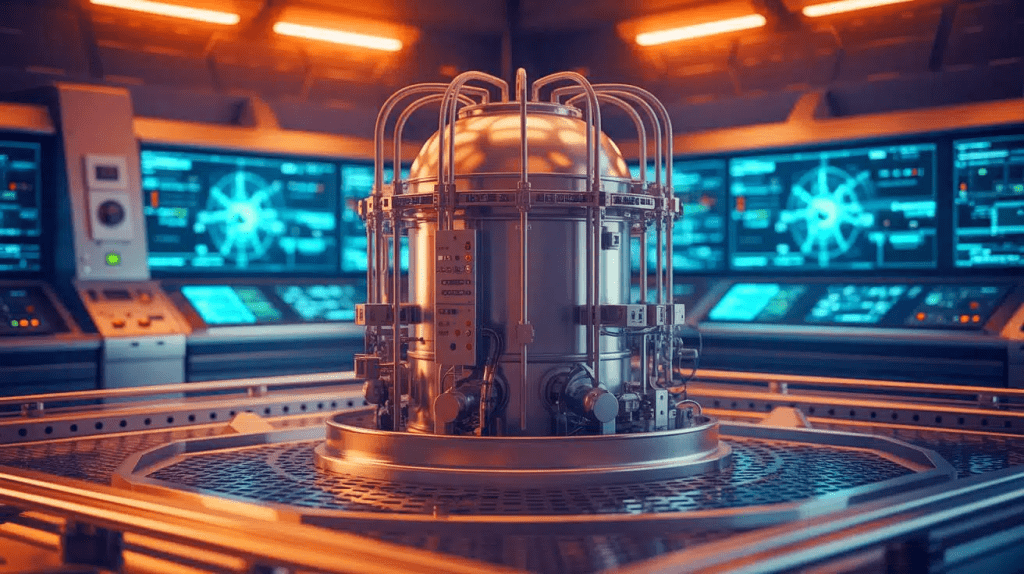
The United States is entering a new era of nuclear innovation, driven by advanced technologies, bold entrepreneurs, and growing demand for clean, reliable power. As climate goals tighten and electricity consumption rises, nuclear microreactors and small modular reactors (SMRs) are becoming central to America’s energy strategy. Today’s nuclear energy news increasingly highlights how U.S.-based startups and research institutions are transforming nuclear power from massive, centralized plants into flexible, scalable, and community-focused energy solutions.
This article explores the latest microreactor news, major startup breakthroughs, and why nuclear innovation is gaining momentum across the United States.
Why Nuclear Innovation Matters in the United States
The U.S. energy landscape is changing rapidly. Electrification of transportation, growth of data centers, and industrial expansion are pushing electricity demand to historic levels. At the same time, Americans want cleaner energy that reduces carbon emissions without sacrificing reliability.
Traditional nuclear plants already provide about 20% of U.S. electricity and over half of its carbon-free power. However, the future lies in innovation. New reactor designs, particularly nuclear microreactors and SMRs, are reshaping how nuclear energy fits into local grids, remote communities, and critical infrastructure.
This shift has made nuclear startup news one of the most watched segments in the clean energy sector.
Understanding Nuclear Microreactors and SMRs
Before diving into developments, it’s important to understand what makes these technologies unique.
What Are Nuclear Microreactors?
Nuclear microreactors are compact reactors that typically produce between 1 and 20 megawatts of electricity. They are factory-built, transportable, and designed for rapid deployment. In the U.S., microreactors are gaining attention for use in:
- Remote communities in Alaska
- Military bases and national security sites
- Emergency power for hospitals and disaster response
- Industrial facilities and mining operations
Their small size and advanced safety features make them a key topic in current microreactor news.
What Are SMRs?
Small Modular Reactors (SMRs) are larger than microreactors but smaller than traditional nuclear plants, usually producing up to 300 megawatts. SMRs are designed to be built in modules, allowing utilities to scale power generation based on demand. Across the U.S., SMRs are viewed as a bridge between legacy nuclear plants and next-generation energy systems.
Top Microreactor Developments in the USA
Recent nuclear energy news shows strong federal and private-sector support for microreactor development.
Federal Investment and Research Support
U.S. government agencies are playing a major role in advancing nuclear innovation. National laboratories are testing new fuels, materials, and reactor designs that improve safety and efficiency. These efforts aim to accelerate licensing and reduce deployment timelines, two critical challenges for nuclear technologies.
Microreactors are also being explored for national defense applications, highlighting their strategic importance beyond civilian energy markets.
Focus on Advanced Safety Systems
One of the biggest breakthroughs in nuclear microreactors is the integration of passive safety systems. These designs rely on physics rather than human intervention or external power to maintain safe operations. For American communities, this translates into increased trust and broader acceptance of nuclear energy.
Nuclear Startup Breakthroughs Driving Innovation
The rise of nuclear innovation in the U.S. is closely tied to a new generation of startups. These companies are reimagining nuclear energy with a startup mindset—faster development, innovative designs, and strong partnerships.
Startup-Led Reactor Design Innovation
Today’s nuclear startup news highlights companies developing reactors that are:
- Smaller and more cost-effective
- Capable of load-following to support renewable energy
- Designed for factory manufacturing rather than on-site construction
These innovations address the historical challenges of cost overruns and long construction timelines that have limited nuclear expansion in the U.S.
Private Investment and Market Confidence
Venture capital and institutional investors are increasingly backing U.S. nuclear startups. This financial confidence signals a belief that microreactors and SMRs can compete economically with fossil fuels and renewables over the long term.
For American investors, nuclear startups represent an opportunity to support clean energy while strengthening domestic energy security.
SMRs and the Future of the U.S. Power Grid
As renewable energy grows, grid reliability has become a top concern. Wind and solar power are clean but intermittent. SMRs offer a reliable, carbon-free solution that complements renewables.
Supporting Regional and Local Energy Needs
Across the United States, SMRs are being considered for:
- Replacing retiring coal plants
- Powering energy-intensive industries
- Providing stable electricity to growing urban regions
This adaptability makes SMRs a frequent topic in nuclear energy news and state-level energy planning discussions.
Job Creation and Economic Growth
Nuclear innovation is also an economic opportunity. Developing and deploying SMRs and microreactors can create high-paying jobs in engineering, manufacturing, and construction. For many American communities, especially those transitioning away from fossil fuels, nuclear startups offer a path to long-term economic stability.
Public Perception and Community Engagement
Public opinion plays a crucial role in nuclear adoption. Modern nuclear startup news emphasizes transparency, safety, and community involvement.
Changing Attitudes Toward Nuclear Energy
Younger Americans and climate-conscious consumers are increasingly viewing nuclear power as a necessary tool in the fight against climate change. Microreactors and SMRs, with their advanced safety features, are helping shift perceptions that were shaped by older nuclear technologies.
Education and Workforce Development
U.S. universities and technical schools are expanding nuclear engineering and clean energy programs. This focus ensures that the next generation of American workers is prepared to support the growing nuclear sector.
Challenges Facing Nuclear Innovation in the USA
Despite strong momentum, challenges remain.
Regulatory Complexity
Licensing new reactor designs can be time-consuming. While regulators are modernizing frameworks, startups must still navigate complex approval processes. Streamlining regulation without compromising safety is a key topic in current nuclear energy news.
Cost and Commercialization
Although microreactors and SMRs promise lower costs, first-of-a-kind projects can be expensive. Continued public-private partnerships will be essential to bring these technologies to market at scale.
The Road Ahead for Nuclear Startups and Microreactors
Looking forward, the future of nuclear innovation in the U.S. appears promising. Nuclear microreactors, SMRs, and ambitious startups are reshaping how Americans think about nuclear energy.
As demand for clean, reliable power grows, nuclear startups are positioned to play a critical role in America’s energy transition. From powering remote communities to stabilizing the national grid, these innovations reflect a broader shift toward smarter, safer, and more flexible nuclear solutions.
Conclusion
“Nuclear Innovation in the USA” is no longer just a concept—it’s a rapidly evolving reality. With cutting-edge microreactor news, groundbreaking nuclear startup news, and growing adoption of SMRs, the United States is redefining the future of nuclear energy. By combining advanced technology, entrepreneurial drive, and strong public support, America is building a nuclear ecosystem designed for the challenges of the 21st century.
As this momentum continues, nuclear innovation will remain a cornerstone of U.S. clean energy strategy, delivering reliable power, economic growth, and a more sustainable future for generations to come.