
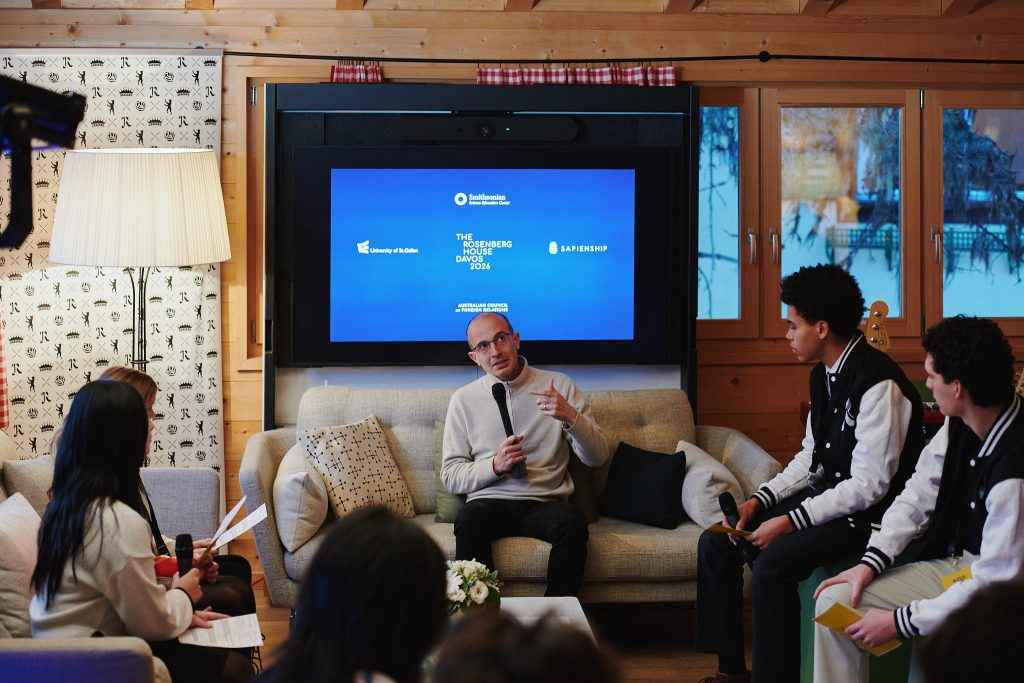
Students of Institut auf dem Rosenberg, one of the leading international schools in the world, have published the Rosenberg Youth Manifesto for Action, a student-authored set of findings, definitions and resolutions shaped by direct conversations during Rosenberg House Davos at the 2026 World Economic Forum week.
The Manifesto officially launched on 20 June, 2026. It turns students’ questions, discussions and projects into concrete commitments and real-world examples that leaders in education, industry and governance can apply. The Manifesto follows Rosenberg House in Davos, held in January 2026 on the Schatzalp, where students engaged directly with global decision-makers, technologists, scientists, designers and cultural leaders through roundtables, workshops and salons.
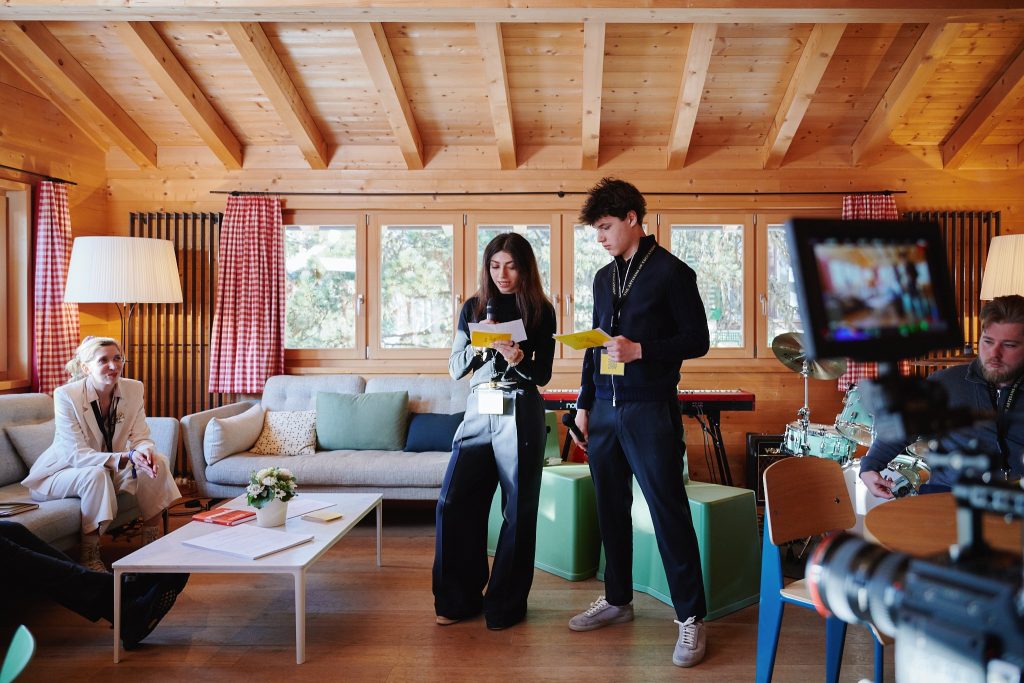
In January 2026, Institut auf dem Rosenberg made history as the first school to host a dedicated presence during World Economic Forum week in Davos, with sessions designed, led and hosted by teenagers. Participants included prime ministers, world leaders, educational institutions, creative thinkers, internationally recognised historians and philosophers.

“What makes this Manifesto significant is not that it speaks on behalf of young people, but that it was written by them. Whether discussing artificial intelligence, urban resilience, education, or global cooperation, one message emerged consistently: young people do not want to be passive observers of change. They want to contribute to shaping it. The Rosenberg Youth Manifesto represents that commitment to moving from dialogue to responsibility and from ideas to action” said Bernhard Gademann, President, Institut auf dem Rosenberg.
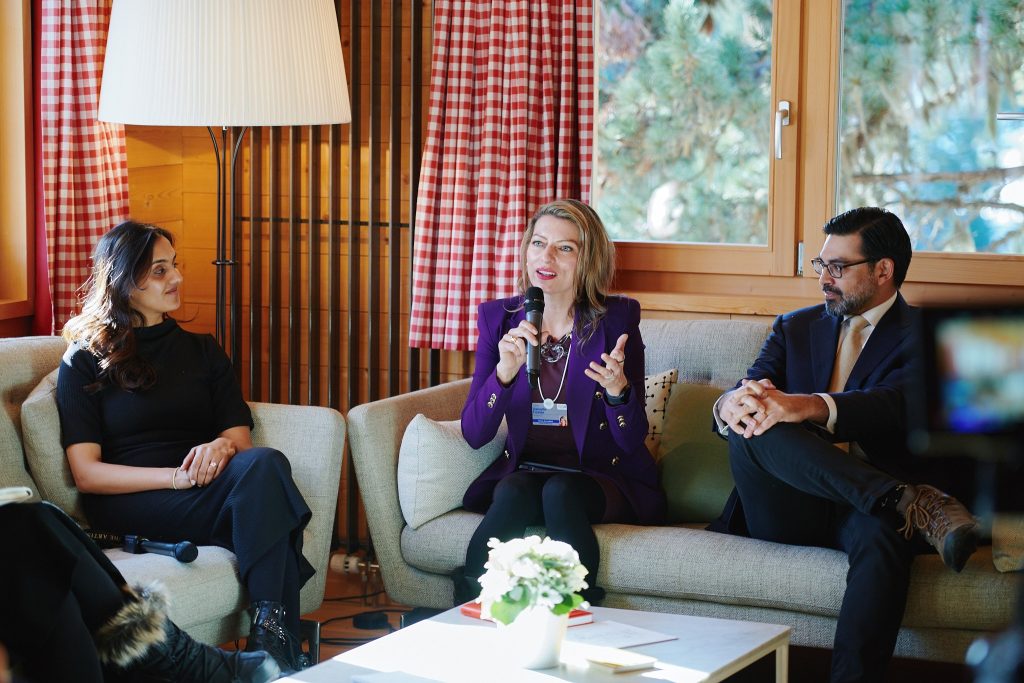
“We should never be trying to create learning experiences in which there is only one generation in the room.” – Dr. Caroll O’Donnell, Executive Director, Smithsonian Science Education Centre
What the Manifesto Delivers
While many large-scale youth reports primarily capture the views of older youth audiences, the Rosenberg Youth Manifesto is authored and shaped by students aged as young as 6 to 18. It is a next-generation empowerment project in which young people do not simply comment on the future, but define practical next steps.
The Manifesto translates dialogue into a usable, implementation-ready format, including:
Student-written meaning, made usable
Short, real-world definitions of key terms, creating a youth-driven lexicon so important ideas do not remain abstract buzzwords.
Implementable resolutions
Ten clear rules of action per chapter, written to be adopted across education, industry and governance.
Blueprint actions leaders can apply
Concise guidance on what to do next, pointing to decisions, responsibilities and tangible first steps.
Proof from practice
Examples from students’ own work and partner collaborations, showing how concepts move from discussion to reality through prototypes, pilots, charters and applications within the Rosenberg International Curriculum, RIC®.
A youth lens on trust and accountability
A practical approach to trust, based on clarity, transparency, follow-through and repair, demonstrated through action rather than slogans.
Rosenberg House Davos was developed by students of Institut auf dem Rosenberg in collaboration with partners across science, design, technology, finance, media and diplomacy, including MIT, ETH Zurich, UC Berkeley, Vitra, Diplomatic Courier, Smithsonian Science Education Center, Sapienship and the Tim Bergling Foundation.
