

When purchasing a luxury property, one of the most important decisions buyers face is whether to invest in a newly constructed home or an existing luxury residence. Both options offer unique advantages, but the right choice depends on your financial goals, lifestyle preferences, and long-term investment strategy.
Luxury real estate has long been considered a stable asset for wealth preservation and appreciation. However, the characteristics of new construction and existing homes can significantly impact future value, maintenance costs, and overall return on investment.
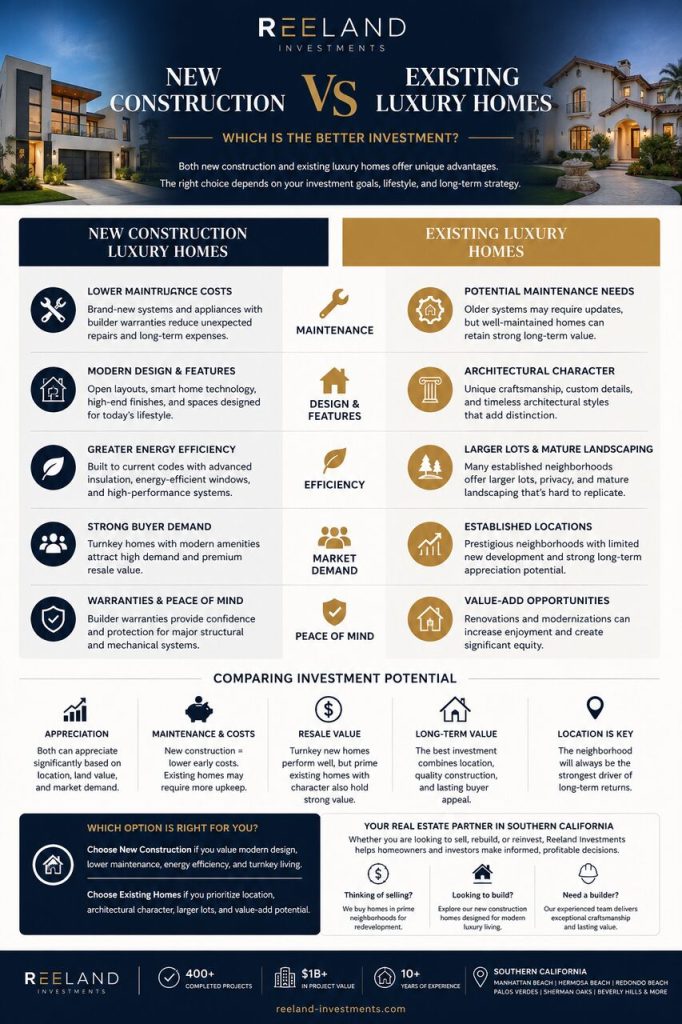
In this guide, we’ll explore the key differences between new construction and existing luxury homes to help you determine which option is the better investment.
Understanding New Construction Luxury Homes
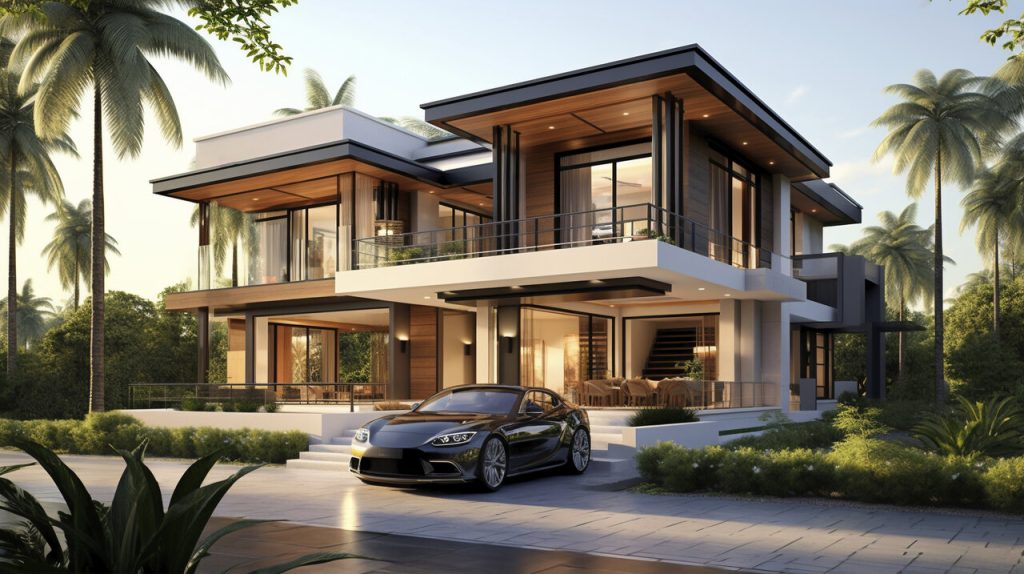
New construction luxury homes are properties built using modern design principles, contemporary materials, and the latest construction technologies. These homes are often located in highly desirable neighborhoods and feature open floor plans, energy-efficient systems, smart home integration, and premium finishes.
Because everything is brand new, buyers typically enjoy a move-in-ready experience without the need for immediate repairs or renovations.
Benefits of New Construction Homes
Lower Maintenance Costs: One of the biggest advantages of purchasing a newly built luxury home is reduced maintenance. Major systems such as roofing, plumbing, electrical, HVAC, and appliances are brand new and often covered by builder warranties.
This can result in significant savings during the first several years of ownership.
Modern Design and Features: Luxury buyers increasingly prioritize features such as smart home automation, energy efficiency, home offices, wellness spaces, and seamless indoor-outdoor living. New construction homes are designed to meet these evolving expectations.
Modern layouts also tend to maximize natural light, functionality, and overall livability.
Greater Energy Efficiency: New homes are built according to current building codes and often incorporate advanced insulation, energy-efficient windows, solar readiness, and high-performance HVAC systems.
These upgrades can reduce utility expenses while enhancing long-term property value.
Strong Buyer Demand: Many luxury buyers prefer turnkey properties that require little or no renovation. As a result, high-quality new construction homes often attract strong demand and premium resale values.
Understanding Existing Luxury Homes
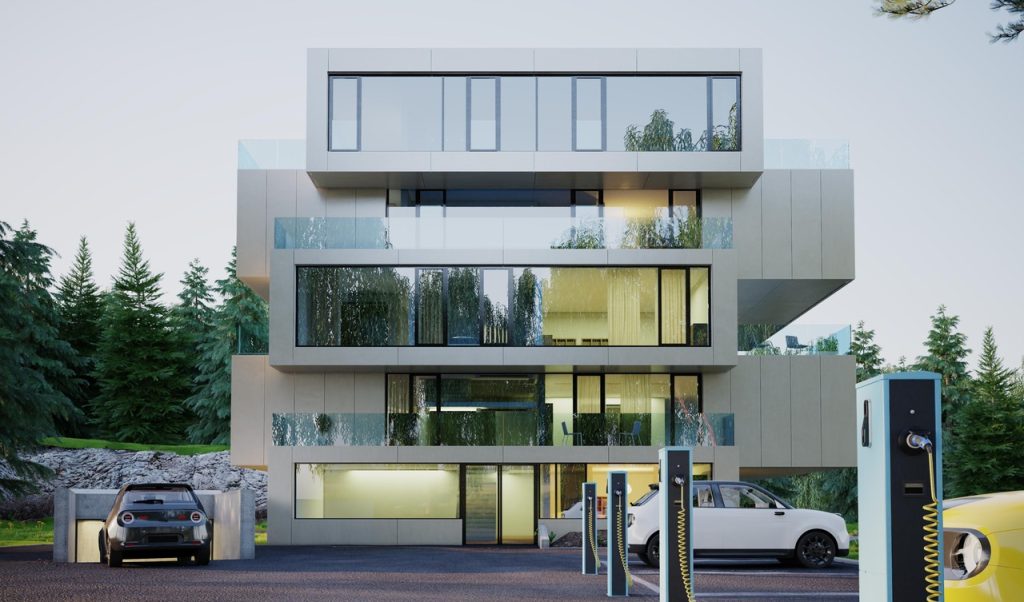
Existing luxury homes are properties that have been previously owned and may range from relatively new residences to historic estates with decades of architectural significance.
Many established luxury neighborhoods feature homes with larger lots, mature landscaping, and unique architectural character that cannot easily be replicated today.
Benefits of Existing Luxury Homes
Established Locations: Some of the most prestigious neighborhoods have limited opportunities for new development. Existing homes provide access to mature communities, prime locations, and highly sought-after school districts.
Location remains one of the strongest drivers of long-term real estate appreciation.
Architectural Character: Older luxury homes often feature craftsmanship, custom details, and architectural styles that distinguish them from newer developments.
For buyers who value uniqueness and history, existing properties can offer a level of character that modern construction may not always provide.
Potential Value-Add Opportunities: An existing luxury property may offer opportunities for renovation or modernization. Strategic improvements can increase both enjoyment and future resale value.
In some cases, buyers can acquire a property below replacement cost and create significant equity through upgrades.
Larger Lots: Many older luxury neighborhoods were developed when land was more abundant. As a result, existing homes often sit on larger lots than newer properties in comparable locations.
Larger parcels can enhance privacy, outdoor living potential, and future redevelopment opportunities.
Comparing Investment Potential

Appreciation
Both new construction and existing luxury homes can appreciate over time. However, appreciation is often influenced more by location, land value, and market demand than by the age of the home itself.
New construction properties may command higher initial prices due to modern features, while existing homes in prime locations may benefit from land scarcity and neighborhood prestige.
Maintenance and Ownership Costs
New construction homes generally have lower maintenance expenses during the early years of ownership. Existing homes may require updates to aging systems, roofing, plumbing, or other infrastructure.
Buyers should carefully evaluate potential maintenance costs when comparing investment opportunities.
Resale Value
Luxury buyers increasingly seek move-in-ready homes with contemporary finishes and technology. New construction homes often perform well in this environment.
However, well-maintained existing homes in premier neighborhoods can also generate strong resale demand, particularly when architectural character and location are difficult to replicate.
Long-Term Value
The best investment is often the property that combines excellent location, quality construction, and enduring buyer appeal.
A thoughtfully designed new construction home in a desirable neighborhood can offer exceptional long-term performance. Likewise, an existing luxury property with strong land value and renovation potential can create substantial wealth over time.
Which Option Is Right for You?
If you value modern design, lower maintenance costs, energy efficiency, and turnkey living, a new construction luxury home may be the better investment.
If you prioritize location, architectural character, larger lots, and value-add opportunities, an existing luxury home may provide greater long-term potential.
Ultimately, successful luxury real estate investing depends on evaluating the property’s location, construction quality, market demand, and future growth prospects rather than focusing solely on whether the home is new or existing.
For homeowners exploring options in premium neighborhoods, the decision often goes beyond just buying a property. Many start by asking whether they should sell my house, especially when the existing home no longer matches their lifestyle or long-term goals. In such cases, understanding redevelopment potential becomes important, particularly in areas where demand for new construction homes continues to grow. This is where experienced luxury home builders in sherman oaks play a key role, helping transform older properties into modern residences that better align with current market expectations. Whether the goal is to sell, rebuild, or reinvest, evaluating both resale value and new construction potential ensures a more informed and profitable real estate decision.
Conclusion
There is no universal answer to whether new construction or existing luxury homes are the better investment. Each offers distinct advantages that appeal to different buyers and investors.
For those seeking convenience, efficiency, and modern living, new construction often delivers exceptional value. For buyers focused on location, character, and long-term appreciation opportunities, existing luxury homes can be equally compelling.
The most successful investments are those that align with your financial objectives, lifestyle needs, and long-term vision for ownership.
Frequently Asked Questions (FAQs)
Are new construction luxury homes a good investment?
Yes. New construction luxury homes often offer lower maintenance costs, modern amenities, energy efficiency, and strong resale appeal, making them attractive long-term investments.
Do existing luxury homes appreciate faster than new homes?
Appreciation depends primarily on location, market demand, and land value. In highly desirable neighborhoods, existing luxury homes may experience strong appreciation due to limited inventory and land scarcity.
Which type of luxury home has lower maintenance costs?
New construction homes generally have lower maintenance expenses because major systems and appliances are brand new and frequently covered by warranties.
Is it better to renovate an existing luxury home or buy a new one?
The answer depends on your goals. Renovating an existing home may create additional equity, while purchasing a new home offers convenience and reduced maintenance responsibilities.
What should investors focus on when evaluating luxury properties?
Investors should consider location, land value, construction quality, neighborhood demand, future development trends, and potential resale value rather than focusing only on the home’s age.
Do new luxury homes have better energy efficiency?
Yes. Most newly constructed luxury homes incorporate modern building standards, energy-efficient systems, smart home technology, and sustainable design features that reduce operating costs.