
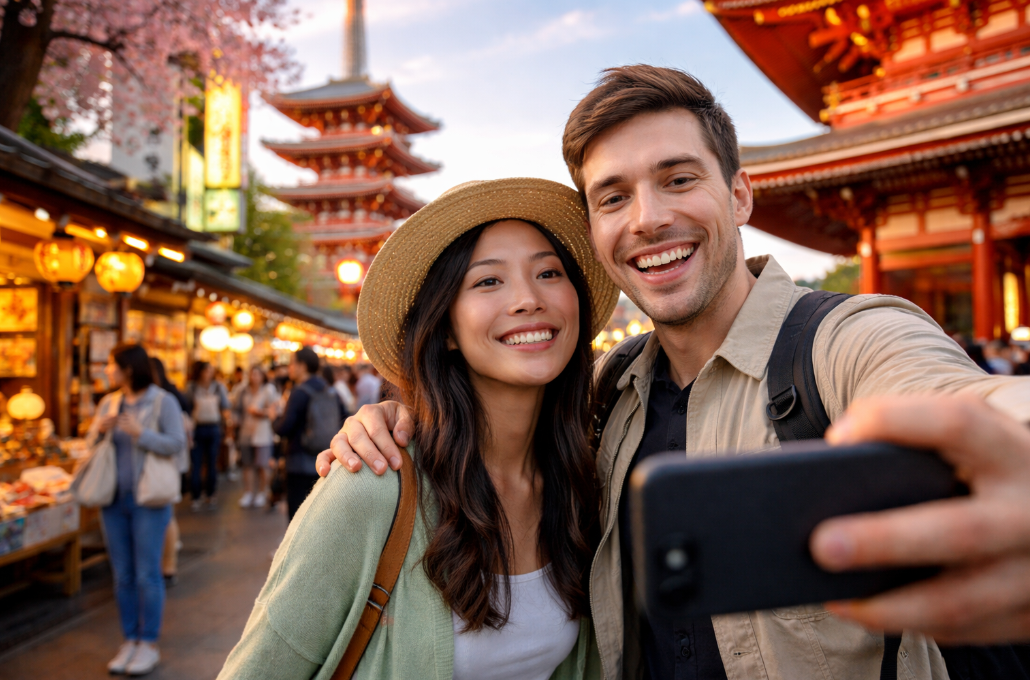
Japan captures the imagination long before the plane lands. Neon skylines, bullet trains, centuries-old temples, cherry blossoms drifting through the air the images are powerful. Yet once you arrive, the country reveals layers that go far beyond postcards. A trip to Japan can feel like stepping into a carefully crafted mosaic where every detail matters. Many travelers from the United States look for precise, reliable information before building their itinerary. What deserves priority? How many days should you spend in each city? How do you move efficiently? Which experiences offer genuine cultural depth? This article answers those questions clearly and directly. You will find here the experiences you truly should not miss, the districts worth exploring, the cultural landmarks that define the country, and the practical considerations that make your stay smooth. The goal is simple: help you experience Japan with clarity, curiosity, and structure.
Exploring Tokyo without missing what matters
Tokyo is vast, intense, and remarkably organized. Approaching it by neighborhoods rather than isolated attractions helps avoid feeling overwhelmed. Shibuya represents contemporary Japan at full speed, with its famous scramble crossing and constant energy. Shinjuku blends towering skyscrapers, nightlife, and calm green spaces such as Shinjuku Gyoen. Asakusa offers a sharp contrast through Senso-ji Temple, where incense smoke rises in front of ancient gates while modern Tokyo hums in the background.
Understanding transportation is essential. Tokyo’s rail network functions with extraordinary precision. Purchasing a rechargeable IC card like Suica or Pasmo saves time and simplifies daily travel. Clear signage in English supports navigation, though learning basic phrases adds comfort and confidence.
Tokyo also showcases modern Japanese pop culture. Akihabara, known for electronics and anime culture, attracts collectors and enthusiasts from around the world. Visitors interested in Japanese animation sometimes explore specialty shops displaying detailed Naruto figures, reflecting how deeply anime shapes contemporary identity. This cultural layer is not superficial; it represents a major creative industry with global influence. For a broader perspective, observation decks such as Tokyo Skytree or the Tokyo Metropolitan Government Building provide panoramic views that reveal the city’s scale. Seeing the urban grid stretch to the horizon helps you grasp Tokyo’s complexity. The city is not just about landmarks. It is about rhythm, detail, and balance between tradition and innovation.
Experiencing Kyoto and Japan’s cultural heritage
Kyoto represents the historical heart of Japan. As the former imperial capital, it concentrates an extraordinary number of temples, shrines, and preserved districts. Skipping Kyoto would mean overlooking a foundational dimension of Japanese identity. Kinkaku-ji, the Golden Pavilion, reflects elegance in its shimmering facade. Fushimi Inari Taisha, with its thousands of vermilion torii gates, forms a path that feels almost dreamlike as it climbs the hillside. Timing matters in Kyoto. Major sites draw large crowds, particularly during cherry blossom and autumn foliage seasons. Arriving early in the morning allows a more reflective experience. In the Gion district, catching a glimpse of a maiko on her way to an appointment remains rare and fleeting, which makes the moment feel authentic rather than staged.
Understanding the difference between temples and shrines
Buddhist temples and Shinto shrines serve different roles. Temples connect to meditation, funerary rites, and philosophical traditions. Shrines honor kami, spiritual entities linked to nature and protection. Observing local customs, such as cleansing your hands at a shrine’s water basin or maintaining silence in sacred spaces, demonstrates respect and enhances your understanding. These rituals are not tourist performances; they reflect living traditions.
Appreciating traditional architecture and gardens
Kyoto’s Zen gardens rely on meticulous composition. Carefully placed rocks, raked gravel, moss, and water elements invite contemplation. Every detail carries symbolic meaning. Nijo Castle illustrates the refinement of feudal-era design, including its “nightingale floors” engineered to chirp underfoot as a security measure. Walking through these spaces feels like stepping into a carefully preserved chapter of history. Kyoto offers coherence. It provides context for the rapid modernity visible in Tokyo. Together, they create a balanced view of Japan’s past and present.
Immersing yourself in Japanese cuisine
Japanese food extends far beyond sushi as known internationally. Each region offers distinct specialties shaped by geography and climate. Osaka stands out for street food such as takoyaki and okonomiyaki. Hiroshima presents its own layered variation of okonomiyaki. Hokkaido is famous for high-quality seafood and dairy products. Exploring local markets deepens the culinary experience. Watching the precision of seafood auctions in Tokyo or sampling small dishes in an izakaya introduces flavors in manageable portions. Presentation plays a central role; meals often resemble carefully arranged artwork.
Anime-themed cafés also appear across major cities, blending dining with pop culture. It is common to see decorative displays featuring collectible anime figures, reinforcing how entertainment culture integrates into daily life. Key culinary elements include:
- Ramen
- Tempura
- Udon
- Soba
- Matcha
Seasonality defines Japanese cuisine. The concept of washoku, recognized by UNESCO, emphasizes balance, freshness, and aesthetic harmony. Dining in Japan becomes a sensory experience comparable to a musical composition where each ingredient contributes with precision.
Traveling beyond the major cities
Limiting your stay to Tokyo and Kyoto overlooks significant diversity. The Japanese Alps offer dramatic mountain landscapes. Takayama preserves a charming old town with wooden houses and morning markets. Shirakawa-go, a UNESCO World Heritage site, features steep-roofed farmhouses designed for heavy snowfall. Miyajima Island, near Hiroshima, impresses visitors with its iconic torii gate appearing to float during high tide. Nara allows close encounters with freely roaming deer near Todai-ji Temple, home to a monumental bronze Buddha. These destinations broaden your understanding of Japan’s regional contrasts.
Japan’s rail system supports efficient exploration. The Japan Rail Pass may prove cost-effective depending on travel distance and duration. Studying routes in advance and reserving seats when necessary enhances comfort and predictability. Rural Japan introduces a slower pace. Onsen hot springs provide relaxation deeply embedded in local culture. Understanding bathing etiquette, including washing before entering communal baths, ensures a respectful experience. These quieter moments balance the intensity of urban exploration.
Practical considerations for a smooth stay
Preparation shapes the overall quality of your trip. U.S. passport holders can enter Japan for short-term tourism without a visa, though checking current entry requirements remains essential. Travel insurance adds security. Pocket Wi-Fi or a local SIM card ensures reliable internet access. Accommodation choices influence your cultural immersion. Ryokan inns offer tatami rooms and traditional kaiseki meals. Capsule hotels provide efficient, budget-friendly lodging. While credit cards are widely accepted, some smaller establishments prefer cash. Social norms deserve attention. Punctuality, quiet behavior on public transportation, and orderly queues reflect everyday etiquette. Observing before acting prevents unintended mistakes. Japan operates with the precision of a finely tuned mechanism, where each element supports collective harmony.
A trip to Japan blends innovation, heritage, culinary richness, and natural beauty into a cohesive experience. From Tokyo’s dynamic districts to Kyoto’s serene temples and the landscapes beyond, every region contributes to a deeper understanding of the country. Thoughtful planning and cultural awareness transform a simple vacation into a lasting memory. Which part of Japan are you most eager to experience first?