
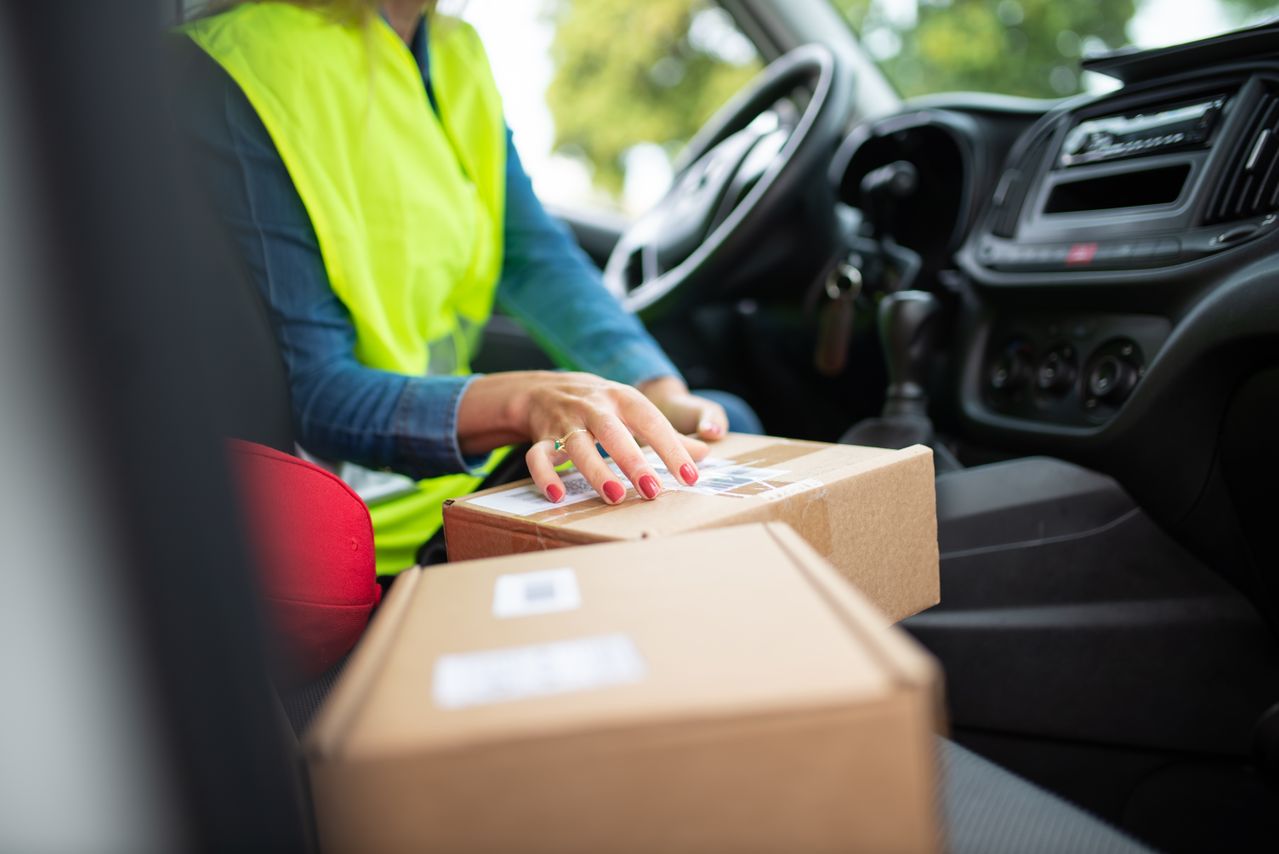
Essex has quietly become one of the busiest counties in the country for parcel delivery. Between Amazon’s regional depots, DPD’s expanding network, and the sheer volume of online shopping moving through towns like Basildon, Chelmsford, Barking and Colchester, multi-drop driver jobs in Essex are among the most in-demand roles in local logistics right now.
But what does the job actually involve day to day? If you’re weighing it up as a career move, here’s a realistic look at the role beyond the job advert.
A physical job, not just a driving one
The title suggests the main skill is driving, but most drivers will tell you the real work happens outside the van. A typical multi-drop shift involves somewhere between 80 and 150 stops, which means roughly the same number of times getting in and out of the vehicle, walking to a door, and back again. Over a nine-hour shift, that adds up to several miles on foot — often more than people expect before they start.
It suits people who’d rather be moving than sat still all day, and who don’t mind working solo for long stretches. It’s less suited to anyone looking for a purely sedentary driving role.
The shift pattern
Most multi-drop routes start early, typically between 6 am and 7 am at the depot. The first job of the day is a quick vehicle check, followed by loading and sorting parcels — increasingly done via a smartphone app that also handles route optimisation and live delivery updates. Drivers then work through their round independently, usually finishing sometime between 3 pm and 6 pm depending on stop count and traffic.
Full-time, part-time and flexible patterns are all common across Essex, with most carriers asking for at least one weekend day as part of a standard week.
Employed vs self-employed
This is one of the bigger decisions facing anyone looking at multi drop driver jobs in Essex. Amazon Logistics routes tend to run through Delivery Service Partners on a more structured, employed-style basis with a day rate. DPD and similar carriers more often work on a self-employed, per-parcel basis, which can pay more for a high drop count but comes with the driver covering fuel, van costs and insurance.
Neither route is automatically better — it depends on whether you’d rather have predictable pay or the potential to earn more by moving faster.
What carriers actually require
The entry requirements are lower than a lot of people assume. Most roles ask for a full UK or EU licence held for at least a year, and a DBS check, but not prior delivery experience. Training on the app, the vehicle checks, and customer service expectations is usually provided before a new driver’s first solo route.
Getting started
For anyone in Essex looking to move into the role, going through a specialist recruiter rather than applying to carriers directly is often the more straightforward route in, since they’ll usually help match you to a suitable route and carrier based on your circumstances. Skilled Solutions, a logistics recruitment partner working with Amazon Logistics and DPD across Essex, Kent, London and West Sussex, is one of the established names in the region for this kind of driver placement.
Whatever route in you choose, it’s worth going in with a clear picture of the physical demands and the pay structure — the two things that most shape whether the job suits you long term.