

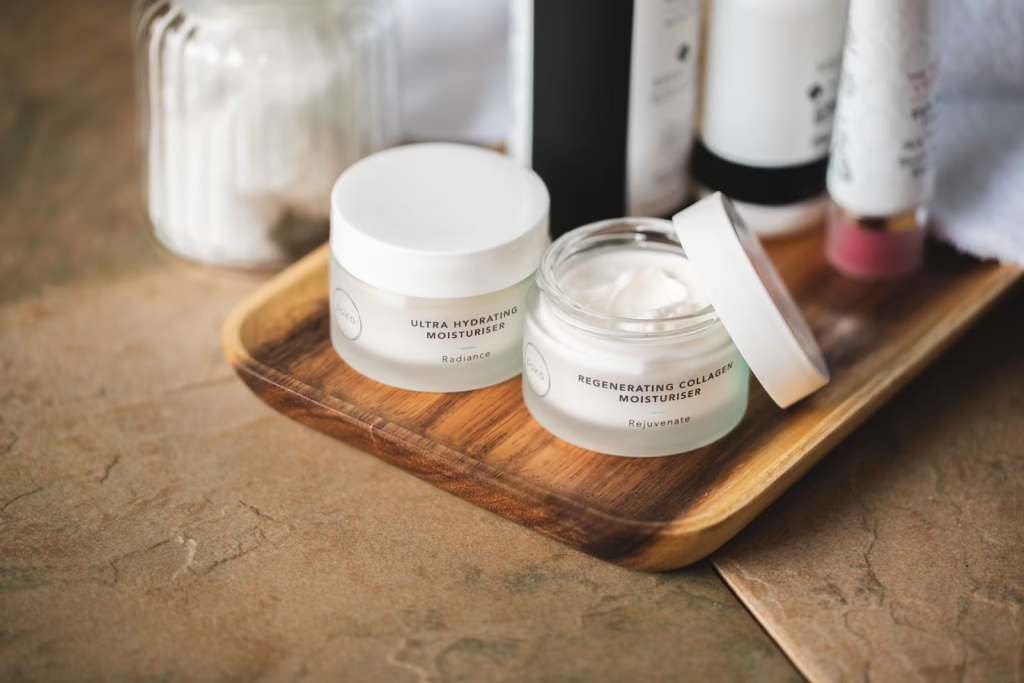
The beauty industry has evolved dramatically over the past decade. Gone are the days when skincare was simply about cleansing, toning, and moisturizing. Today’s consumers are more informed, ingredient-conscious, and focused on achieving healthy skin rather than chasing unrealistic beauty standards.
Modern beauty trends are reshaping the way people care for their skin, emphasizing long-term wellness, personalization, and natural-looking results.
The Rise of Skin Health Over Perfection
One of the most significant shifts in skincare is the move away from the pursuit of flawless skin. Instead, consumers are embracing skin health as the ultimate goal. This approach focuses on strengthening the skin barrier, maintaining hydration, and supporting the skin’s natural functions rather than masking imperfections.
As more people learn about the importance of skin barrier protection, they are becoming selective about the products they use. Rather than purchasing dozens of products, many consumers are adopting simplified routines that prioritize quality ingredients and proven results.
Clean and Conscious Beauty Continues to Grow
Consumers are paying closer attention to what goes into their skincare products. Ingredients, sourcing practices, sustainability efforts, and packaging are now important purchasing factors. This growing interest in conscious beauty has fueled demand for organic and plant-based skincare solutions.
Recent industry discussions have highlighted how consumers are increasingly seeking transparency from beauty brands, favoring products with straightforward ingredient lists and environmentally responsible practices.
This trend reflects a broader movement toward healthier lifestyle choices and mindful consumption.
Personalized Skincare Is Becoming the New Standard
No two skin types are exactly alike, and today’s skincare trends reflect that reality. Personalized skincare recommendations, skin analysis tools, and customized product formulations are becoming increasingly popular.
Advancements in technology allow consumers to better understand their skin’s unique needs. Instead of following generic beauty advice, individuals can now create routines tailored to concerns such as acne, sensitivity, pigmentation, dryness, or aging.
This personalized approach often leads to better results because products are selected based on individual skin conditions rather than broad trends.
Natural-Looking Enhancements Are Influencing Skincare Habits
Another major beauty trend is the growing preference for subtle, natural-looking enhancements. Rather than dramatic cosmetic transformations, many individuals are seeking treatments and skincare solutions that enhance their existing features while maintaining authenticity.
The popularity of treatments focused on collagen stimulation, skin rejuvenation, and overall skin quality reflects this shift. Consumers increasingly value healthy, radiant skin that looks refreshed rather than artificially altered.
This trend has also encouraged many people to invest more heavily in preventive skincare and long-term skin maintenance.
Hydration Remains a Top Priority
Hydrated skin continues to be one of the foundations of modern skincare. Consumers are embracing products designed to support moisture retention, improve elasticity, and promote a healthy glow.
Ingredients such as hyaluronic acid, ceramides, peptides, and collagen-supporting compounds remain popular due to their ability to address multiple skin concerns simultaneously.
Hydration-focused products are no longer viewed as optional extras but as essential components of an effective skincare routine.
Education Is Driving Better Skincare Decisions
Perhaps the most important trend shaping the future of skincare is education. Consumers have access to more information than ever before through beauty publications, expert resources, and skincare-focused content platforms.
As a result, people are becoming more knowledgeable about ingredients, treatment options, and evidence-based skincare practices.
This increased awareness allows consumers to make more informed decisions and avoid falling for short-lived fads. Instead, they are building routines based on consistency, skin health, and realistic expectations.
Conclusion
Modern beauty trends are transforming skincare into a more personalized, health-focused, and sustainable practice.
From clean beauty and ingredient transparency to natural-looking enhancements and customized routines, today’s consumers are prioritizing long-term skin wellness over quick fixes.
As the beauty industry continues to evolve, one thing remains clear: the future of skincare is centered on helping individuals achieve healthier, stronger, and more confident skin through informed choices and consistent care.