
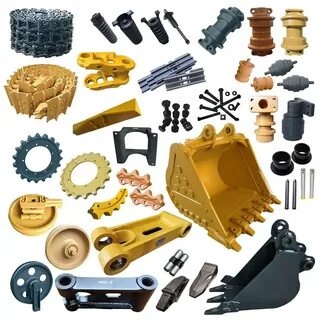
Mining excavators are among the most powerful machines used in the construction and mining industries. They are designed to handle extreme workloads such as digging, lifting, loading, and transporting large volumes of material in harsh environments. To maintain their performance and reliability, understanding mining excavator parts is essential. Each component plays a critical role in ensuring efficiency, safety, and long service life.
In this article, we will explore the key parts of mining excavators, their functions, and why proper maintenance is crucial for mining operations.
What Are Mining Excavator Parts?
Mining excavator parts refer to the various mechanical, hydraulic, electrical, and structural components that make up a mining excavator. These machines are built from thousands of interconnected parts that work together to perform heavy-duty excavation tasks.
Because mining environments are extremely demanding, excavator parts are designed to withstand high pressure, abrasion, dust, heat, and continuous operation.
Main Components of Mining Excavators
1. Engine System
The engine is the heart of a mining excavator. It provides the power needed to operate all other systems, including hydraulics and movement.
- Usually powered by diesel engines
- Designed for high torque output
- Built for fuel efficiency and long operation hours
A well-maintained engine ensures consistent performance and reduces downtime in mining operations.
2. Hydraulic System
The hydraulic system is one of the most important parts of a mining excavator. It controls the movement of the boom, arm, and bucket.
Key hydraulic components include:
- Hydraulic pumps
- Hydraulic cylinders
- Control valves
- Hydraulic hoses
This system allows precise and powerful movement, making it possible to lift and move heavy materials easily.
3. Boom, Arm, and Bucket
These are the primary working tools of an excavator.
- Boom: The long arm that connects the machine body to the arm
- Arm (Stick): Extends the reach of the excavator
- Bucket: Used for digging, scooping, and loading materials
Buckets come in different types depending on mining needs, such as rock buckets, heavy-duty buckets, and trenching buckets.
4. Undercarriage System
The undercarriage supports the entire weight of the excavator and allows it to move.
Main parts include:
- Tracks (steel or rubber)
- Track rollers
- Idlers
- Sprockets
- Track chains
In mining environments, the undercarriage is heavily exposed to wear and tear, making it one of the most frequently replaced parts.
5. Cab and Operator Controls
The cab is where the operator controls the machine. Modern mining excavators come with ergonomic and safety-focused cabins.
Features include:
- Joysticks for control
- Digital monitoring systems
- Air-conditioned cabins
- Safety glass and reinforced structure
A comfortable cab improves operator efficiency and reduces fatigue during long shifts.
6. Swing System
The swing system allows the excavator to rotate 360 degrees.
It consists of:
- Swing motor
- Swing bearing (slew ring)
- Gear system
This system is essential for efficient loading and dumping operations without repositioning the entire machine.
7. Electrical System
The electrical system powers sensors, lights, control panels, and onboard computers.
It includes:
- Wiring harness
- Battery system
- Control modules
- Sensors and indicators
Modern excavators rely heavily on electronic systems for monitoring performance and diagnostics.
Common Wear Parts in Mining Excavators
Mining excavators operate in extreme conditions, leading to frequent replacement of certain parts, such as:
- Bucket teeth and adapters
- Hydraulic seals
- Track shoes
- Filters (oil, fuel, air)
- Pins and bushings
- Cutting edges
Regular replacement of these parts ensures continuous productivity and prevents major breakdowns.
Importance of Quality Excavator Parts
Using high-quality mining excavator parts is critical for several reasons:
1. Increased Machine Lifespan
Durable parts reduce wear and extend the overall life of the excavator.
2. Reduced Downtime
Reliable components minimize unexpected breakdowns, keeping operations running smoothly.
3. Better Fuel Efficiency
Well-maintained systems operate more efficiently, reducing fuel consumption.
4. Safety Assurance
Strong and well-fitted parts help maintain safe working conditions in mining sites.
Maintenance Tips for Mining Excavator Parts
To ensure long-lasting performance, regular maintenance is necessary:
- Inspect hydraulic systems for leaks
- Clean air and fuel filters regularly
- Lubricate moving parts
- Monitor track tension
- Replace worn bucket teeth promptly
- Conduct routine engine servicing
Preventive maintenance is always more cost-effective than major repairs.
Conclusion
Mining excavator parts are the backbone of heavy-duty mining operations. From the engine and hydraulic system to the undercarriage and bucket assembly, every component plays a vital role in ensuring productivity and reliability.
Proper maintenance and the use of high-quality replacement parts not only improve performance but also reduce operational costs and downtime. In the demanding world of mining, investing in the right parts is essential for long-term success.