
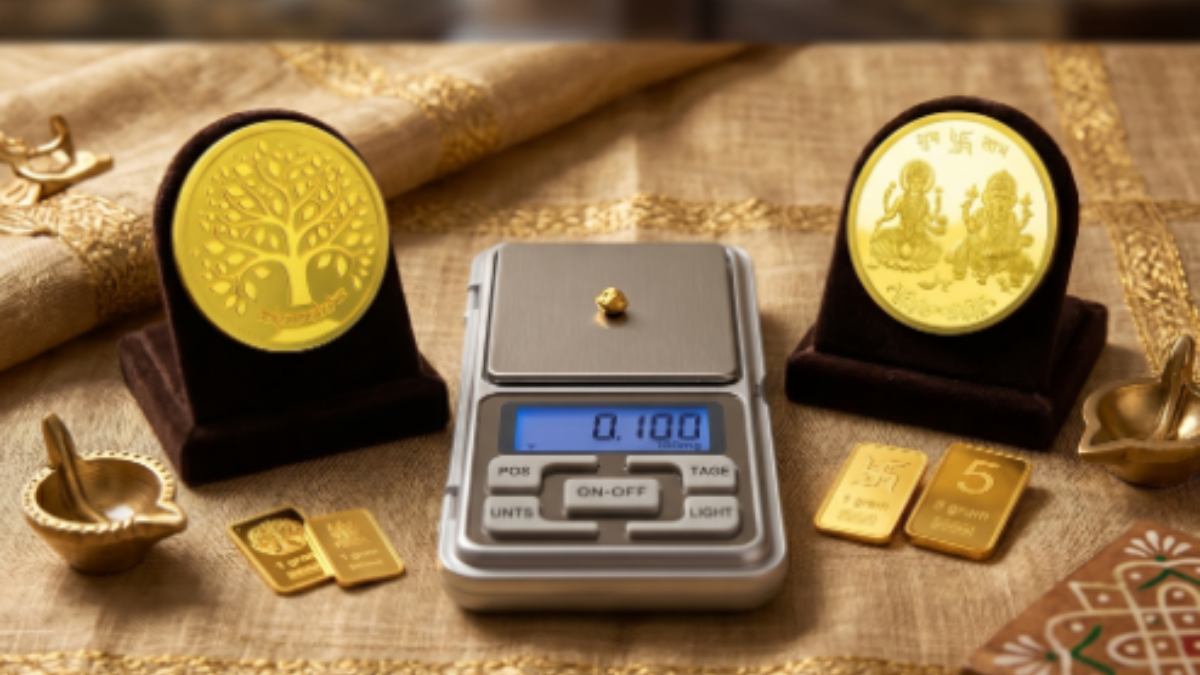
For many Indian families, gold has never been just a metal. It is memory, security, ritual, inheritance, and sometimes quiet emotional insurance. Yet in 2026, buying gold has become more complicated. With India reportedly raising the effective import duty on gold and silver bullion to 15% in May 2026, larger purchases are now harder for ordinary buyers to justify. This came shortly after Prime Minister Narendra Modi urged citizens to avoid buying gold jewellery for a year to reduce pressure on foreign exchange reserves.
That is where fractional buying enters the conversation. Instead of saving for months to buy a one-gram or five-gram coin, a new buyer can start much smaller. Searches for milligram gold coins India reflect a practical shift: people still want the reassurance of physical gold, but they want it in a size that respects their monthly budget.
The real challenge is not simply “Can I afford gold?” It is “Can I buy gold wisely, without turning tradition into financial pressure?” Milligram gold coins answer that question for cautious, first-time, young, or budget-conscious buyers.
What the PM’s Gold Advisory Actually Means
The Prime Minister’s appeal was not an attack on gold as a cultural asset. It was more of a national spending signal. Insatiable demand can severely deplete foreign exchange reserves since India purchases a sizable portion of its gold overseas, particularly at a time when global worry, oil surges, and currency fluctuations are still extremely unpredictable. In short, the memo asked people to take a deep breath and think things through before pursuing dazzling goods for feeling or ego.
For the average household, this does not mean gold is suddenly “bad.” It means gold buying needs a more mindful approach. In my opinion, this is where Indian buyers need to separate three things: jewellery for display, gold as savings, and gold as emotional comfort. Jewellery carries making charges, design premiums, and resale deductions. Bullion coins, especially certified ones, are cleaner from a savings perspective.
A small case example: imagine a young professional in India earning ₹35,000 per month. Buying a 10-gram coin may feel impossible. Even a one-gram coin can feel like a stretch in some months. But buying a smaller fractional unit allows that person to participate without disturbing rent, EMIs, or emergency savings. That is the deeper lesson of the advisory: not “stop valuing gold,” but stop buying it blindly.
Why Physical Gold Still Makes Sense in 2026
Digital gold, gold ETFs, and sovereign-style investment products all have their place. They are convenient, liquid, and easy to track. But physical gold still holds a unique psychological power in India. People trust what they can hold. A coin in tamper-proof packaging feels different from a number on an app.
This is especially true for people who are not experienced investors. When markets fall, apps can create anxiety. Physical gold, kept safely and bought with discipline, gives some buyers a sense of calm. That matters. Personal finance is not only mathematics; it is behavior. A savings habit that a person can emotionally sustain is often more useful than a technically perfect product they abandon after three months.
That said, physical gold should not become an excuse for overbuying. The challenge is balance. A milligram coin is not meant to replace emergency funds, insurance, mutual funds, or long-term planning. It is a small, symbolic, tangible asset. For gifting, it can also feel more meaningful than cash. For first-time investors, it can act as a gentle entry point into disciplined saving.
What Are Milligram Gold Coins?
Small fractional bullion chunks measured in milligrams as opposed to entire grams are represented by milligram gold coins. For example, based only on what merchants now provide, denominations available: 100mg, 200mg, 300mg, 400mg, 500mg. Each in tamper-proof packaging with 995 purity (24K). Current approximate price range at ₹15,938/gram: 100mg ≈ ₹1,594 before GST and premium making. Makes gold accessible for monthly SIP-style buying.
This is why milligram gold coins India is becoming an interesting search trend. India has millions of people who believe in gold but cannot always afford traditional coin sizes. A milligram coin gives them a starting point.
However, buyers must be realistic. Smaller coins often carry higher premiums compared with larger coins. Packaging, minting, certification, seller margin, taxes, and logistics all affect the final price. So, a 100 mg coin will not always be “cheap” in proportion to the live gold rate. You are paying for convenience and accessibility.
Think of it like buying a small bottle of premium perfume versus a large bottle. The smaller one is easier to afford today, but the per-unit cost may be higher. That does not make it useless. It simply means the buyer should understand what they are paying for.
How to Start Buying for Under ₹1700
Establishing a small monthly gold budget is the best way to begin your trip rather than compulsively searching for daily market falls. If your limit is between ₹1,700 and ₹2,000, just look for reliable vendors that have small fractional coins or bullion that fall inside that range. Always think of ₹1,700 as a flexible baseline rather than an absolute, unbreakable promise because costs naturally change along with live rates, taxes, and dealer markups.
My preferred approach would be simple: buy only from a recognized seller, compare the final checkout price, and avoid buying only because the product page says “limited offer.” Look at the actual gold content, purity, delivery terms, return policy, and buyback option. If the product is 24K and 999 or 999.9 purity, that is a stronger signal than decorative language alone.
A beginner could start with one small certified coin, observe the full buying experience, and then decide whether to continue monthly. This is better than making a large first purchase and later realizing that the resale value, packaging conditions, or buyback process were not what they expected.
Purity and Certification: What to Check
Purity is the heart of the purchase. Astute investors seek 24K gold with a purity of 999 or 999.9 when purchasing bullion. Make sure your currency always comes in safe, sealed packaging with the name, weight, purity, and certification prominently displayed. Most importantly, keep that invoice secure. It becomes extremely challenging to authenticate and resell your item without this crucial documentation trail.
Also check whether the seller mentions live pricing, insured delivery, and transparent taxes. A trustworthy product page should not make you guess what you are buying. It should clearly state weight, purity, final price, and delivery process.
The biggest mistake beginners make is treating all gold products as equal. They are not. A decorative gold-plated item, a jewellery piece, a certified bullion coin, and a digital gold balance are very different products. Before buying, ask: “Am I buying beauty, sentiment, savings, or convenience?” The answer will guide the right product.
A Smarter Way to Start Small with Gold
Milligram gold coins are not a shortcut to wealth. They are a practical bridge between India’s emotional love for gold and the modern buyer’s financial limits. In a time when import duties, global prices, and household budgets are all under pressure, smaller certified gold units allow people to participate without overcommitting.
The wisest buyer in 2026 is not the one who buys the most gold. It is the one who buys with clarity. For anyone exploring milligram gold coins in India, the approach is simple: start small, check purity, demand proper documentation, and treat bullion as one piece of a wider plan. Bullion may indeed bring value, but only when it provides complete mental tranquility rather than creating tension.