

Ultra-thin materials rarely capture mainstream attention, yet they quietly anchor some of the world’s most sophisticated technologies. From aerospace heat shields to sterile medical implants and precision electronics, micro-gauge metals are indispensable in operating environments where raw structural integrity, chemical resistance, and absolute dimensional consistency must coexist at microscopic levels.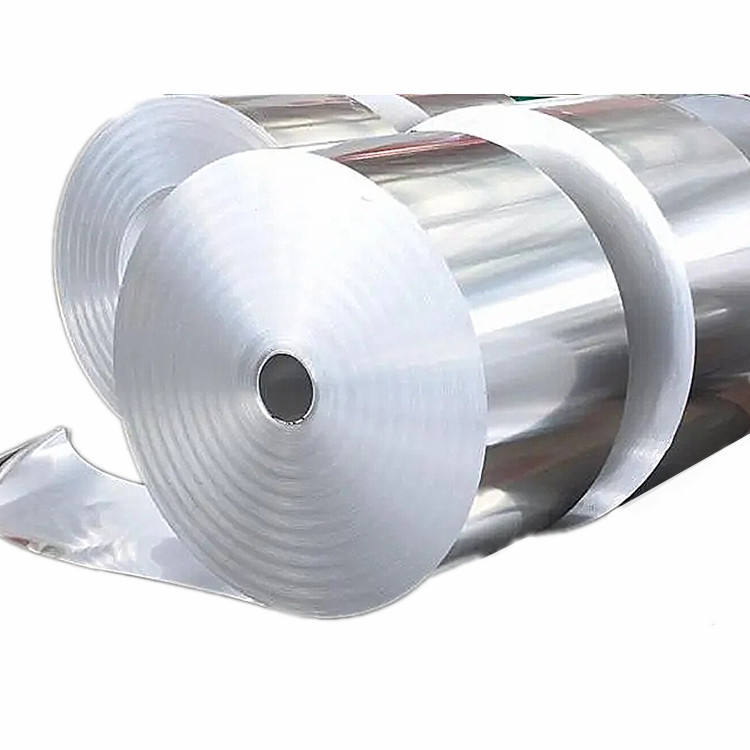
This technical guide analyzes the performance dynamics of 316L stainless steel foil UltraThin 0.01mm in real-world engineering terms. We will break down its metallurgical manufacturing cycle, highlight why the 316L chemistry consistently outperforms lesser alloys, and provide a framework for procurement teams to successfully source this premium metal.
If you are currently evaluating materials for high-stress projects, you can review available dimensions via our core stainless steel foil catalog or explore our complete lineup of specialized metal products.
Defining 316L Ultra-Thin Foil Architecture
When stainless steel is reduced to a gauge of 0.01mm, it transitions from a rigid plate into a highly flexible, micro-stamped structural ribbon. At this scale, raw physical properties change dramatically; standard shearing and stamping rules no longer apply, and minimal variations in alloy chemistry or cluster roll alignment can severely impact production yields.
Grade 316L belongs to the austenitic family of steel alloys, defined by its high inclusion of chromium and nickel, paired with a small but critical addition of molybdenum. The “L” suffix signifies an ultra-low carbon ceiling ($\le$ 0.03%), which limits harmful carbide sensitization during thermal exposure. According to metallurgical references like Wikipedia’s stainless steel breakdown, low-carbon austenitic profiles are mandatory when a component requires both long-term chemical defense and reliable field fabrication.
Why the 0.01mm Gauge Threshold Matters
Stepping down an alloy to an absolute 0.01mm thickness profile changes its mechanical utility. This extreme reduction allows flexibility to skyrocket while the material retains the high tensile strength inherent to the 316 chemistry. This unique combination makes it highly effective for dense components that utilize tight radius bends, complex multi-layered laminates, or micro-fluidic channels.
Additionally, this minimal thickness provides outstanding thermal responsiveness. Because the foil lacks substantial mass, it absorbs and dissipates heat almost instantly. This rapid heat transfer makes it an excellent choice for protective insulation wraps and heat-treating operations. Producers focusing on this tight micro-gauge market invest heavily in advanced tension-leveling and multi-roll Z-mill rolling accuracy to guarantee flawless surface consistency across the entire length of the coil.
Metallurgical Chemistry Breakdown
The reliable performance of 316L stainless steel foil UltraThin products is dictated directly by its chemical proportions:
- Chromium (16%–18%): Generates the continuous, passive chromium oxide film that prevents surface rusting.
- Nickel (10%–14%): Sustains the non-magnetic austenitic crystal lattice, guaranteeing superior low-temperature toughness and ductile formability.
- Molybdenum (2%–3%): Greatly improves resistance to localized pitting and crevice corrosion, particularly when exposed to marine salt spray, industrial acids, or chlorides.
- Carbon ($\le$ 0.03%): Prevents chromium depletion along the grain boundaries during welding or high-temperature operations, keeping the alloy chemically stable.
Mechanical Performance at the Micro-Scale
Bulk metals and ultra-thin foils behave differently under physical loads. While standard sheet metal relies on sheer thickness to resist deformation, 0.01mm foil relies on work-hardened tensile properties to maintain its structural shape without tearing.
| Property | Annealed (Fully Soft) | Full-Hard Temper |
| Tensile Strength | $\ge$ 480 MPa | $\ge$ 850 MPa |
| Yield Strength | $\ge$ 175 MPa | $\ge$ 600 MPa |
| Elongation | $\sim$ 30% to 40% | $\le$ 2% |
| Primary Use Cases | Deep-drawn deep cups, micro-bellows | Spring clips, structural battery spacers |
This customizable balance allows designers to choose between a highly ductile foil that conforms easily to complex geometries or a stiff, high-strength barrier engineered to withstand continuous physical stress.
Structural Comparison: 316 vs. 316L in Thin Foils
The difference between standard 316 and low-carbon 316L becomes critical as material thickness drops. Standard 316 contains up to 0.08% carbon. When exposed to temperatures between 425°C and 870°C, this carbon combines with chromium to form chromium carbides along the metal’s grain boundaries.
In an ultra-thin 0.01mm sheet, this carbide precipitation can consume the entire thickness of the material, causing rapid intergranular cracking and premature component failure. Sourcing a low-carbon 316L foil eliminates this vulnerability, ensuring the material retains its corrosion resistance even after laser welding or high-temperature manufacturing. To analyze how low-carbon selections improve component longevity across automotive platforms, engineers can review our guide on stainless steel coil strip in automotive components.
The Cold-Reduction Manufacturing Sequence
Manufacturing flawless 316L foil at a 0.01mm threshold requires a highly managed, multi-stage production process:
[Raw Slab Melting] ➔ [Hot Rolling to Strip] ➔ [Multi-Stage Cold Z-Mill Reduction] ➔ [Bright Annealing Atmosphere] ➔ [Precision Slitting & Edge Conditioning]
At thicknesses near 0.01mm, even a microscopic speck of airborne dust on the reduction rolls can punch holes through the metal ribbon. For an in-depth review of how mills handle these processing challenges and manage material flatness, check out our guide on how thin can stainless steel foil actually get 0.01mm.
High-Tech and Industrial Use Cases
Due to its high corrosion resistance and thin profile, this micro-gauge metal supports several demanding high-tech applications:
Aerospace Insulation and Radiation Shields
In aerospace manufacturing, minimizing weight is a primary objective. Engineers use 0.01mm 316L foil to build lightweight, multi-layered insulation blankets that protect jet engines and fuselage sections from intense radiant heat and environmental degradation.
Medical Device and Implant Manufacturing
Because 316L is highly biocompatible and resists localized corrosion when exposed to bodily fluids, medical equipment manufacturers rely on it to build vascular stents, surgical staplers, and sterile barriers for delicate electronic implants.
Electronics and Powertrain Protection
Electronics designers utilize thin 316L foils for flexible circuits, precision contacts, and electromagnetic interference (EMI) shielding. It is also used to form internal battery module dividers and cooling plates within advanced stainless steel coil strip in automotive components architectures.
Industrial Heat Treating
Commercial heat treaters use 316L foil as a clean protective wrap for tool steels. Wrapping parts in the foil creates a tight mechanical seal that blocks ambient oxygen, preventing surface decarburization and scaling during high-temperature furnace cycles.
Strategic Material Alternatives
When sourcing thin-gauge alloys, procurement teams must balance performance needs against cost considerations:
- vs. 304 Stainless Foil: While 304 is a more economical choice, it lacks molybdenum. For harsh environments involving salt water, industrial chemicals, or acids, 316L consistently outperforms it, justifying its higher initial cost through a longer service life. You can compare these properties by reading about our work as a 304 stainless steel strip supplier.
- vs. 301 Stainless Foil: If your project requires maximum spring tension rather than superior corrosion defense, evaluating what is 301 stainless steel foil can help maximize mechanical yield strengths.
- Sourcing Formats: Depending on your stamping and tooling setup, you can source these alloys as wide rolls, narrow stainless steel strip runs, or larger master stainless steel coil configurations.
Strict Compliance, Traceability, and Sourcing
To prevent manufacturing defects, high-precision foil production must strictly comply with international quality frameworks like ASTM A240 and EN 10088. Thickness tolerances must be held within strict micron-level windows, and surface finishes must be kept free of scratches or oil residue.
When sourcing specialized materials, working with an experienced supplier ensures consistent quality. Reliable metal processors provide full heat traceability, verified mill test certificates, and custom processing options like precise slitting and tailored tempers. For projects requiring heavier thickness profiles, you can view our inventory of 316 stainless steel coil options, or check out our stainless steel foil heat treatment guide to align your processing parameters.
Summary
At an ultra-thin gauge of 0.01mm, 316L stainless steel foil provides a unique combination of flexibility, high tensile strength, and excellent corrosion resistance. Whether your team is designing components for aerospace systems, medical devices, or high-volume electronics, choosing a high-quality alloy grade is critical to long-term performance.
To discuss your specific project requirements, request a custom sample, or get a quotation, please contact our team directly through our contact us page today.
FAQs
What is the thickness of 316L stainless steel foil?
Ultra-thin 316L foil is typically manufactured down to an absolute minimum of 0.01mm, providing a lightweight, highly flexible metal barrier for high-precision applications.
How does 316L stainless steel compare to other stainless steels?
Thanks to its 2%–3% molybdenum content, 316L offers superior resistance to pitting and crevice corrosion compared to standard grades like 304, especially in marine or chloride-rich environments. Its low carbon content also protects it from intergranular corrosion after welding.
Can 316L stainless steel foil be used in medical applications?
Yes. Because 316L is highly biocompatible, non-reactive, and easy to sterilize, it is widely used to manufacture surgical instruments, diagnostic equipment, and medical implants.
What are the primary advantages of using ultrathin stainless steel foil?
The main benefits include a massive reduction in component weight, excellent dimensional flexibility, and high corrosion resistance, making it ideal for tight spaces in aerospace and electronics hardware.
Where can I purchase 316L stainless steel foil?
You can source precision-rolled 316L foil directly from our specialized facility. We offer custom widths, tailored tempers, and precise slitting services to meet your exact manufacturing specifications.
What is the recycling process for stainless steel?
Stainless steel is 100% recyclable without any loss in performance. Scrap metal is collected, melted down in electric arc furnaces, and re-alloyed into new production batches, significantly reducing the environmental footprint of your supply chain.