
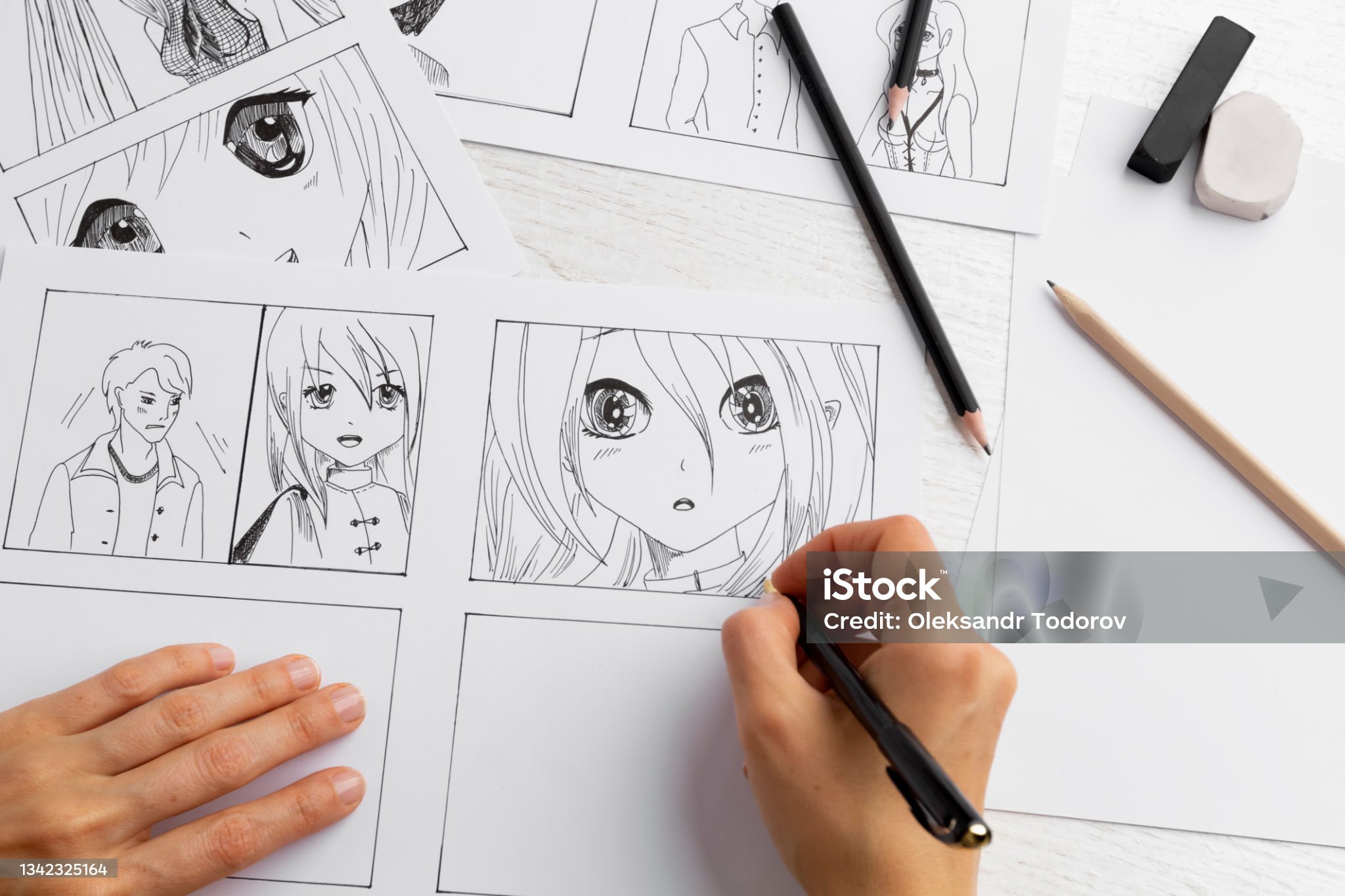
Manga has always been more than words on a page. The rhythm of the panels, the shape of speech bubbles, the pauses between lines, and the visual energy of a character’s expression all work together to tell the story. As manga, webtoons, and digital comics continue to reach readers around the world, translation is becoming an important part of the entertainment experience itself.
Many global readers discover manga long before an official edition is available in their preferred language. A page may appear in a social media post, a fan discussion, a preview, a digital archive, or a creator update. The artwork can be understood immediately, but the dialogue often remains locked behind another language. This has pushed readers to experiment with different ways to translate manga pages, from camera tools and browser translation to AI-assisted workflows designed specifically for image-based storytelling.
One noticeable change is the rise of fast manga translation tools that work directly in the browser. A reader who wants to understand a page quickly may not need a full editing workspace. They may only want to upload a manga image, PDF, EPUB, or CBZ file, choose a target language, and receive a readable translated result. That kind of quick workflow is represented by AI Manga Translator, which focuses on fast manga translation for readers who need a direct way to cross language barriers without building a complex editing process around every page.
This quick translation approach is useful for casual reading, language learning, story discovery, and checking the meaning of unfamiliar dialogue. It also reflects how entertainment consumption has changed. Readers are no longer limited to local release schedules or one language community. They move between Japanese manga, Korean webtoons, Chinese comics, indie works, and fan discussions from different regions. Translation tools are becoming part of how people explore this wider visual culture.
However, fast translation is not always enough. Manga pages are visually sensitive. A translated sentence may need to fit inside a narrow vertical bubble. A short emotional line may need to remain short. A joke may need more natural phrasing. A sound effect or small caption may need special attention. When a page is intended to be saved, reviewed, shared, or prepared for a more polished reading experience, readers and editors often need more control than a simple final image can provide.
That is where a dedicated Manga Translator workspace becomes relevant. Instead of returning only a flattened result, a professional manga translation editor can support cleaned speech bubbles, editable text layers, manual cleanup, project saves, and export options. This gives users room to review the AI result, adjust wording, move text, resize lines, correct layout problems, and polish the page before final export.
This workflow is especially useful for scanlation teams, independent creators, translation hobbyists, and anyone working with authorized manga pages or self-owned comic content. It does not remove the need for human judgment. In fact, it makes human review more practical by separating the cleanup and editing steps from the first translation pass. AI can help create the starting point, while the editor keeps control over tone, layout, and final readability.
At the same time, many readers still begin with mobile camera translation because it is already available on their phone. Google Lens is often the first tool people try when they want to understand a foreign-language page quickly. It can be convenient for signs, menus, labels, short printed text, and quick meaning checks. For manga, it can also help readers get the general idea of a scene in seconds.
The limitation is that manga is not a normal document. A camera overlay can cover original lettering, mix vertical and horizontal text, miss small captions, or leave panels visually crowded. This is why guides about how to translate manga with google lens are increasingly being compared with manga-specific translation workflows. The question is no longer only “Can the text be detected?” but also “Can the page still feel comfortable to read after translation?”
For quick understanding, camera translation may be enough. For a cleaner page, a manga-focused tool can provide a better reading result. For professional or semi-professional editing, an editor with text layers and cleanup controls becomes more important. These different workflows are not necessarily competing with one another; they serve different reading moments.
The broader entertainment trend is clear: global manga readers want access, speed, and readability at the same time. As AI translation becomes more specialized, the most useful tools will be those that understand the difference between plain text and visual storytelling. Manga translation is not only about replacing one language with another. It is about helping readers follow emotion, timing, humor, and character voice while keeping the artwork readable.
In the future, manga translation may become a normal part of digital reading, just as subtitles became a normal part of global video entertainment. Some readers will use quick tools for instant understanding. Some will use editor-based workflows for cleaner pages. Others will combine AI translation with human review. Together, these tools are making it easier for stories to travel across language borders while preserving the visual rhythm that makes manga unique.