
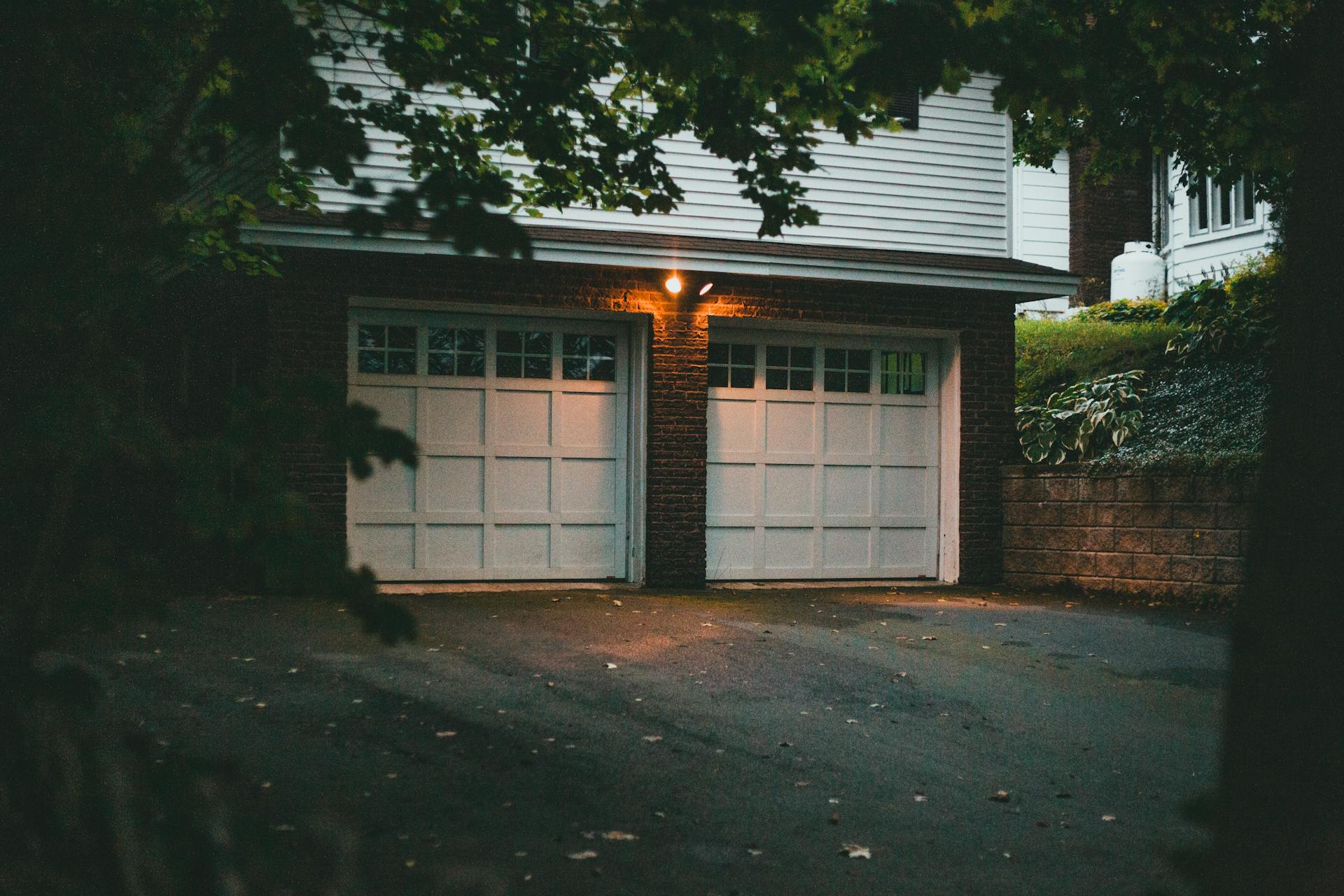
For the modern homeowner, the garage door is a study in invisible engineering. It is the largest moving component of the residential structure, an articulating wall of steel, aluminum, or composite material that must operate with millimetric precision thousands of times per year. We treat it as a secondary entrance, often the primary one, expecting it to rise and fall on command. Yet, because this system operates under immense mechanical tension, it is subject to a specific type of catastrophic failure that rarely occurs during convenient business hours.
Understanding the lifecycle of these systems requires moving beyond a “fix-it-when-it-breaks” mentality. A garage door is a balanced ecosystem of springs, cables, and digital logic. When one part of this system reaches its metallurgical limit, the resulting failure can compromise the home’s thermal envelope, its digital security, and the physical safety of the residents.
The Physics of the Counterbalance Failure
The most common misconception about garage doors is the role of the electric opener. Most people believe the motor “lifts” the weight of the door. In reality, a standard double-car garage door can weigh anywhere from 150 to 400 pounds. A residential motor is not designed to bear that load; its function is merely to guide the door’s movement. The actual lifting power is provided by the spring system, typically torsion springs mounted on a shaft above the door.
These springs are engineered to store mechanical energy as the door closes. When the door opens, that energy is released to counteract gravity. However, steel has a finite lifecycle, measured in “cycles.” A standard spring is usually rated for 10,000 cycles. For a family that cycles the door four times a day, the spring will reach its fatigue limit in roughly seven years.
When a spring snaps, it often does so in the middle of the night or during a cold snap when the metal is at its most brittle. The sound is often mistaken for a gunshot or a heavy object falling. Once the spring is broken, the door becomes “dead weight.” Attempting to force the door open in this state can result in severe physical injury or a burnt-out motor. Because these failures often happen when a vehicle is trapped inside, or a home is left open to the elements, the availability of 24/7 Garage Door Repair becomes the only viable path to restoring the home’s primary security boundary.
The Structural Risks of the Off-Track Scenario
Another emergency that frequently plagues homeowners is the “off-track” event. This usually occurs when a lift cable jumps the drum or snaps entirely. This can be caused by something as simple as a broom handle leaning against the vertical track or a buildup of road salt and grime that causes a roller to seize.
When a door comes off its tracks, it is no longer a functioning machine; it is a heavy, unstable object hanging by a few rollers. The structural risk here is significant. If the door is left hanging at an angle, the uneven torque can warp the steel tracks or permanently crease the panels. Furthermore, the “header”, the wooden beam that supports the door’s weight, is subject to lateral forces it wasn’t designed to handle. A professional intervention is required to stabilize the weight and reset the cables without causing a total collapse of the system.
Thermal Resilience and the Attached Garage
For homes with attached garages, the door is a critical component of the building’s thermal envelope. Many modern homes feature a kitchen or a bedroom situated directly adjacent to or above the garage floor. If the door fails to close due to a mechanical obstruction or a sensor fault, the temperature in those rooms can drop or rise precipitously within an hour.
Modern insulated doors, often featuring polyurethane-injected construction, act as a thermal barrier that keeps the garage significantly warmer than the outdoors in winter and cooler in summer. However, this barrier is only effective if the door achieves a full seal against the floor and the jambs. When a system fails in the “open” or “partially open” position during extreme weather, it creates a “chimney effect,” pulling conditioned air out of the living spaces and potentially exposing water pipes in the garage walls to freezing temperatures. This makes a timely repair a matter of home preservation as much as convenience.
The Digital Perimeter: Security in 2026
The security of a home is often only as strong as its largest opening. In previous decades, garage door remotes were vulnerable to “code grabbing,” but modern systems utilize encrypted rolling-code technology. However, this digital shift has introduced new failure points. A power surge during a localized storm or a corrupted firmware update can “brick” an opener’s logic board, causing the door to ignore remote commands or, in rare cases, open on its own.
In the landscape of 2026, many homeowners have integrated their garage into a smart home hub. This allows for geofencing, where the door opens automatically as the vehicle turns onto the street, and remote monitoring. While these features add convenience, they also require the hardware to be perfectly calibrated. If the “limit switches” on the motor are not set correctly, the door may not fully seal against the ground, leaving a gap that invites pests or provides leverage for intruders. Ensuring that the digital and mechanical components are in sync is the hallmark of a secure home.
Recognizing the Pre-Failure Warning Signs
While many emergencies seem to occur without warning, the system usually provides subtle “micro-signals” of distress in the weeks leading up to a breakdown. Learning to identify these sounds and movements can prevent a late-night crisis:
- Acoustic Changes: A grinding or screeching sound is rarely just a lack of lubrication. It usually indicates that the bearings inside the nylon or steel rollers have seized, causing the roller to drag against the track rather than rolling.
- The “Hiccup”: If the door pauses or stutters during its ascent, it’s a sign that the tracks have vibrated out of “plumb” or that the lift cables have uneven tension.
- Slow Response: If the motor sounds like it is straining more than usual, the springs have likely lost their “memory” and are no longer providing the necessary counter-balance.
Addressing these issues during a standard maintenance window is significantly more cost-effective than a reactive repair. However, when those signs are missed and the system fails at an inopportune time, 24/7 Garage Door Repair services provide the technical expertise needed to stabilize the door and secure the property.
Respecting the Threshold
The garage door is a silent workhorse that manages our security, our energy bills, and our daily logistics. By respecting the physics of high-tension springs and the requirements of digital access control, homeowners can better navigate the complexities of property maintenance. Whether it is a snapped cable in the dead of winter or a jammed track on a holiday weekend, the goal is always the same: protecting the people and the property within. In the modern era, being prepared for a mechanical failure at the threshold is a fundamental part of responsible homeownership. Maintaining that balance is the key to a home that is both beautiful and unshakeably secure.