

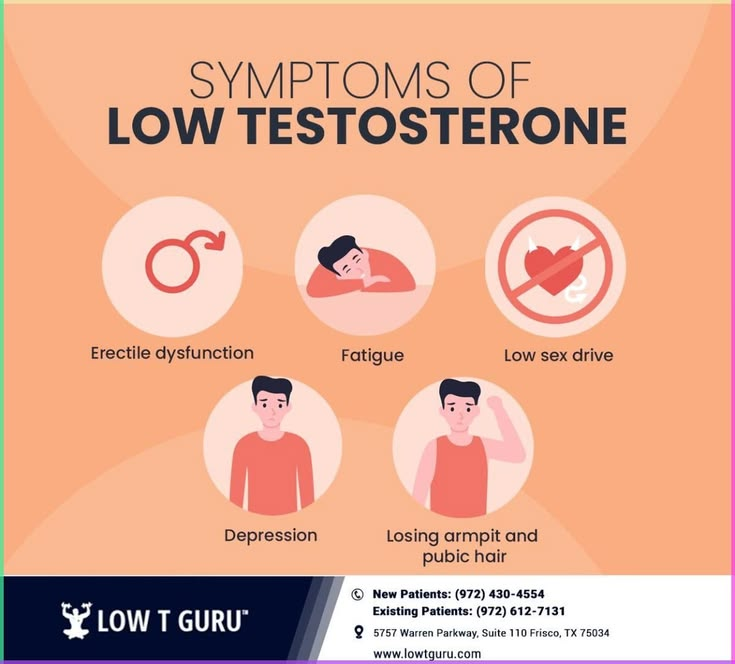
You’re in your late thirties or forties. Mornings start with exhaustion that never quite lifts. By mid-morning, there’s mental fog—simple tasks feel heavier, words slip your mind, and motivation has faded. You feel irritable, workouts seem tougher, and your libido just isn’t what it was. For many men, these symptoms are often linked to declining hormone levels, which is why more people are now exploring Testosterone Replacement Therapy in Hull to restore energy, focus, strength, and overall well-being.
You mention it to your GP and hear the same reassuring line: “This is normal for your age, mate. Stress, busy life, a bit of extra weight.” Bloods come back “within range.” You leave feeling vaguely dismissed—and profoundly alone.
If this sounds familiar, you’re not imagining it. These are classic symptoms of low testosterone in men that often go unrecognized in the 30s and 40s, precisely when many of us are still assuming we’re “too young” for hormone issues. The truth is, testosterone doesn’t wait until retirement age to start causing problems. And the signs of low testosterone in men can be subtle, overlapping with everyday life, which is exactly why they’re so frequently missed.
The symptom that quietly changes everything
One of the most insidious low testosterone symptoms is the persistent tiredness that refuses to shift, no matter how much coffee you drink or how many early nights you force. It’s not the dramatic crash of illness; it’s a background hum of fatigue that makes everything feel like it’s being done underwater. Paired with it is the mental sharpness you’ve lost—brain fog, difficulty concentrating, that sense that your mind used to be quicker, sharper, more decisive. Endocrine research consistently links these changes to declining testosterone, as the hormone plays a direct role in energy metabolism and cognitive function. When levels drop, even within so-called “normal” ranges for your age, the effect on daily life can be surprisingly strong.
You still turn up. You still provide. But the spark that made life feel straightforward has dimmed. Many men in Hull and across Yorkshire describe it the same way: “I just don’t feel like me anymore.”
Take Ahmed, a 45-year-old accountant from Hull.
He came to see us after three years, attributing his struggles to work and family pressures. Despite regular training, he noticed muscle loss and increased abdominal fat. Mornings brought unrelenting fatigue, and he struggled with focus at work. His libido disappeared. Routine blood tests were normal. Mark believed this—until a moment at home made him realize change was needed, leading him to search for a TRT clinic in UK to finally get a deeper hormonal assessment and clearer answers about what was really going on.
Mark’s story isn’t unusual. It’s the story of thousands of men who’ve been quietly managing low testosterone symptoms in men while being told it’s simply part of getting older.
Why doctors often miss it
Standard NHS checks usually measure total testosterone once, often at the wrong time of day, and without looking at free testosterone, SHBG, or related hormones like oestradiol and prolactin. In your 30s and 40s, the decline can be gradual enough that levels still sit inside broad reference ranges—yet low enough for you to feel the difference. GPs are trained to rule out the obvious (thyroid, sleep apnoea, depression) and many do an excellent job. Still, the more nuanced picture of age-related or lifestyle-influenced low testosterone can slip through the net.
What you can do right now – practical steps that actually help
While a proper diagnosis is key, there are evidence-based changes you can make today that support healthy testosterone production and overall vitality:
- Protect your sleep like it’s your job. Seven to nine hours of consistent, quality sleep is non-negotiable. A dark, cool bedroom and no screens an hour before bed make a measurable difference to morning energy and mental clarity.
- Lift heavy, eat well. Resistance training three to four times a week (squats, deadlifts, presses) signals your body to maintain muscle and hormone levels. Include zinc-rich foods (beef, pumpkin seeds), vitamin D (oily fish, eggs, safe sun exposure), and healthy fats (avocado, olive oil). Cut back on ultra-processed food and excess sugar—they work against you.
- Manage stress and alcohol. Chronic cortisol crowds out testosterone. A daily 20-minute walk and cutting evening drinking to two or fewer nights a week can shift the dial.
- Check the basics. Rule out obstructive sleep apnoea if you snore heavily, and consider a full blood panel that includes morning total and free testosterone.
These steps won’t fix clinical deficiency on their own, but they give your body the best possible chance and often improve how you feel in the meantime.
When to take the next responsible step
If you’ve been honest with yourself and the low testosterone symptoms remain—especially that stubborn, persistent tiredness and loss of mental sharpness—then arranging a comprehensive testosterone check is simply the logical, grown-up thing to do. It’s not admitting defeat; it’s refusing to settle for feeling half-alive when answers are available.
Men across Hull, Yorkshire, and the rest of the UK are quietly discovering the difference a thorough, specialist-led assessment can make. If you’re ready to understand what’s really going on, schedule a detailed testosterone blood test at Vitalis Luxe Clinic—get clear results, a compassionate explanation, and no pressure to rush into anything. Book your first consultation today and experience the relief of finally being heard.
You’ve carried this long enough. The version of you that wakes up clear-headed, strong, and present for the people who matter—that man is still in there. Sometimes, all it takes is the right information to bring him back. Start today: take the first step toward becoming that person again.