
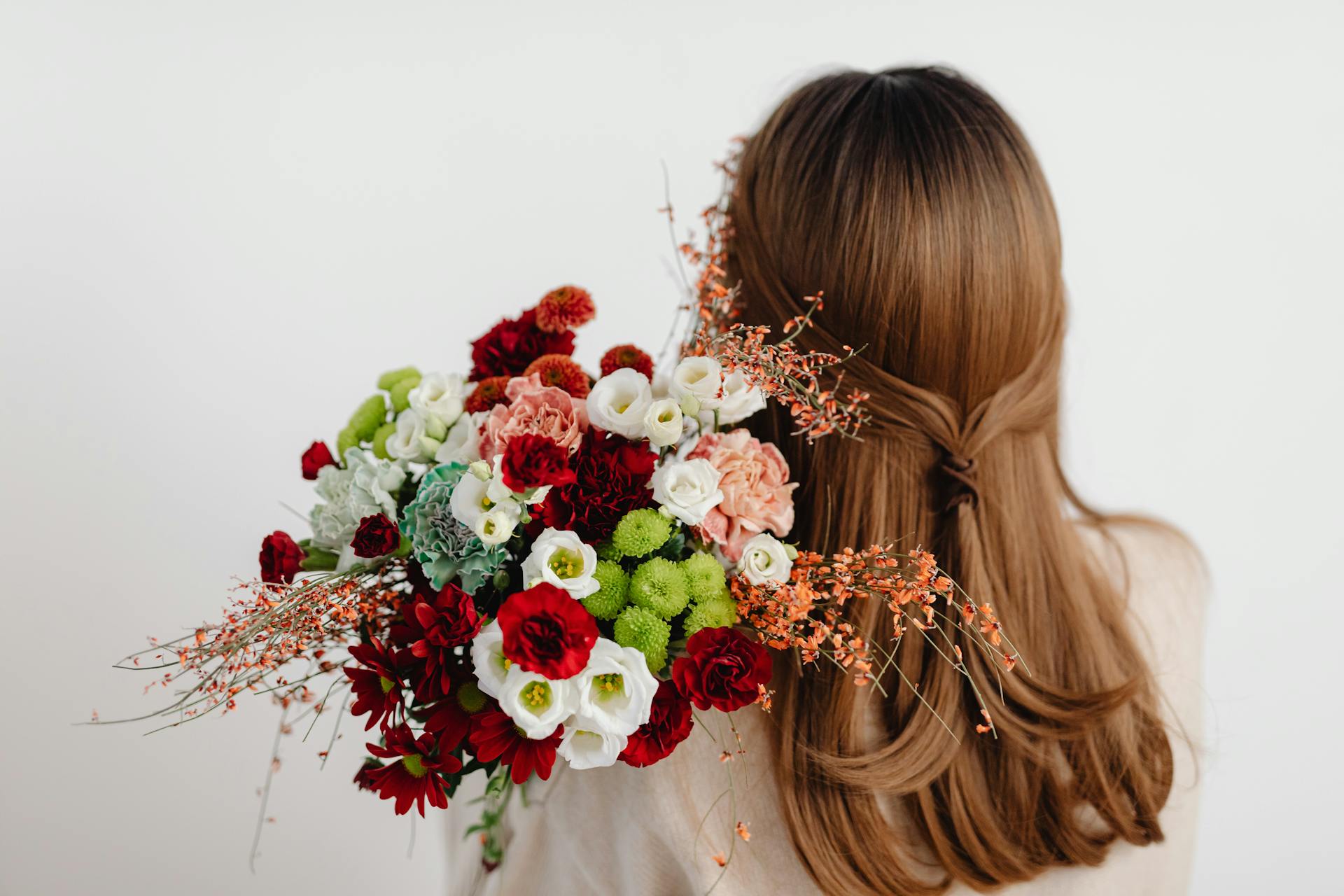
Did you know that nearly 20% of the population suffers from allergic rhinitis, commonly known as hay fever? That means there is a one-in-five chance that the stunning bouquet you just sent to a loved one is currently causing them watery eyes, a congested nose, and a series of uncontrollable sneezes.
The challenge for modern gift-givers is that flowers are the universal language of affection, yet for millions, they represent a health trigger. This creates a hidden barrier in relationships where the recipient feels obligated to display a gift that makes them physically uncomfortable.
Understanding the science behind hypoallergenic flowers is critical for anyone who wants their floral gestures to be remembered for their beauty rather than their biological side effects. By the end of this article, you will have a comprehensive roadmap to choosing blooms that offer all the visual splendor of a traditional garden without the respiratory tax.
What is Hypoallergenic Flowers and Why Pay Attention?
Hypoallergenic flowers are specific plant species that produce very little pollen or have “heavy” pollen that is not easily carried by the wind. In the world of botany, the primary culprits of hay fever are wind-pollinated plants that release millions of microscopic grains into the air to find a mate.
Hypoallergenic varieties, however, often rely on insects for pollination. Their pollen is typically sticky, heavy, and tucked deep within the flower’s structure, making it nearly impossible for a recipient to inhale it while enjoying the arrangement.
In a modern context, paying attention to this detail is a hallmark of high emotional intelligence and inclusive etiquette. As we become more aware of sensory sensitivities and health-conscious living, sending low-pollen bouquet delivery shows a level of personalization that far exceeds a generic “off-the-shelf” purchase.
At Krokus.lv, we believe that a gift is only as good as the joy it brings. Choosing flowers for people with allergies ensures that the “joy” isn’t followed by a trip to the pharmacy, making it the ultimate standard for sophisticated gifting in 2026.
Common Mistakes to Avoid Regarding Hypoallergenic Gifting
Even well-intentioned buyers often fall into traps because they rely on visual beauty rather than botanical facts. To ensure your next delivery is truly “sneeze-free,” avoid these common errors:
- Equating Scent with Pollen: A common myth is that if a flower doesn’t smell, it won’t cause allergies. In reality, some highly fragrant flowers like roses are safe because their pollen is heavy, while some scentless flowers can release clouds of airborne irritants.
- The “Sunflower” Trap: While they look cheerful and natural, traditional sunflowers are notorious for their high pollen counts. If you must have the sunflower aesthetic, you must specifically seek out “pollen-free” hybrids designed for the floral trade.
- Over-reliance on “Greenery”: Fillers like Baby’s Breath (Gypsophila) are often the hidden villains in a bouquet. These tiny white flowers are high-pollen producers and are small enough to be easily inhaled, negating the safety of the primary low-pollen blooms.
- Ignoring the “Stamen” Factor: Many people buy lilies without realizing that the orange, dust-covered anthers in the center are the primary source of allergens. Leaving these intact in a home with an allergy sufferer is an invitation for disaster.
Step-by-Step Guide: How to Effectively Use Hypoallergenic Flowers
Selecting the perfect arrangement for a sensitive recipient is a process that combines medical caution with artistic flair. Follow these steps to ensure your next gift is a success.
- Step One: Define the Recipient’s Sensitivity Level
Before browsing, consider the severity of the recipient’s hay fever. If they are highly reactive, focus on “closed-form” flowers like tulips or roses where the reproductive parts are shielded by petals. - Step Two: Choosing the Right Flower Species
Focus on “safe” species such as Orchids, Irises, Carnations, or Hydrangeas. If the recipient loves the classic look of a lily, specifically look for the best scentless lilies (like Asiatic hybrids), which generally produce less irritating pollen than their Oriental counterparts. - Step Three: Request Professional Stem Prep
When placing your order at Krokus.lv, request that the florists remove any visible anthers from lilies or other open-faced flowers. This simple mechanical removal of the “pollen factory” can reduce the allergen risk by up to 90% instantly. - Step Four: Strategic Placement and Hydration
Advise the recipient to place the flowers in a well-ventilated area but away from direct air conditioning vents. Moving air can pick up even heavy pollen, so a stable, draft-free location is the best practice for allergy management. - Step Five: Measuring Impact and Following Up
After the delivery, check in with the recipient. Ask them how they are feeling around the flowers; this data helps you refine your choice for future occasions and proves that you genuinely care about their well-being.
Best Practices and Expert Advice for Exceptional Results
To achieve truly professional results, you should look for “Double Bloom” varieties. In the world of horticulture, double blooms are flowers that have been bred to have extra rows of petals—often at the expense of their reproductive organs (the stamens).
This means a “double” variety of a rose or a camellia often has virtually no pollen because the plant has converted its pollen-producing parts into beautiful, safe petals. This is a secret weapon for those seeking flowers for people with allergies without sacrificing the “wow” factor of a full, lush bouquet.
Another high-value tip involves the use of high-moisture greenery. Instead of dry, dusty fillers, request succulents or broad-leafed tropical greens like Monstera or Aspidistra. These leaves don’t produce pollen and actually act as natural air scrubbers, catching dust that might otherwise irritate the recipient.
Finally, always prioritize freshness. Older flowers are more likely to have “shedded” their pollen onto the petals and the surrounding table. A fresh, crisp delivery from Krokus.lv ensures the pollen is still contained within the plant’s structure, keeping the environment clean.
Future Perspectives: Development Trends for Hypoallergenic Floristry
The future of the floral industry is leaning heavily toward genetic precision. By late 2026 and beyond, we expect to see a surge in “Designer Hypoallergenic” crops—flowers that have been gene-edited to be entirely sterile. These plants will produce zero pollen, allowing even the most severe allergy sufferers to enjoy lilies and daisies without fear.
Additionally, digital integration is becoming a standard. We anticipate “Pollen Transparency” labels on floral websites, where customers can see a “Pollen Score” (from 1 to 10) for every bouquet. This data-driven approach will make low-pollen bouquet delivery a seamless, worry-free experience for the global consumer.
Gifting flowers should be an act of pure connection, never a cause for physical distress. By mastering the art of selecting hypoallergenic flowers and avoiding common botanical traps, you ensure that your message of love remains clear and breathable.
The beauty of a flower is doubled when it is chosen with the health of the recipient in mind. Visit Krokus.lv today to explore our curated low-pollen collections and start sending bouquets that everyone can love—no tissues required.