
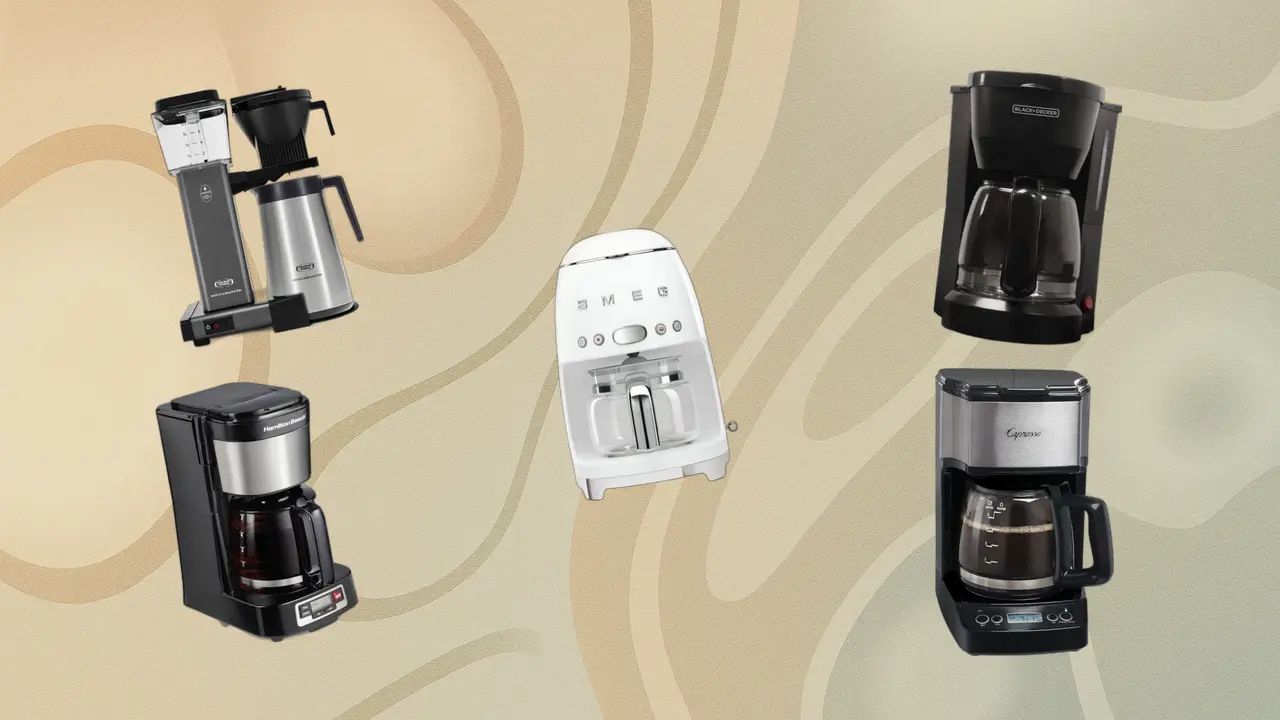
Smart home technology has rapidly shifted from a luxury concept to a mainstream expectation in modern households. Consumers now look for appliances that are not only functional but also intelligent, connected, and capable of adapting to their daily routines. This transformation has pushed manufacturers to rethink how everyday devices are designed and integrated into home ecosystems.
Within this evolving market, smart home appliance brands are leading innovation by combining traditional appliance functionality with advanced digital features, automation, and connectivity.
The Rise of Smart Home Ecosystems
Smart homes rely on interconnected devices that communicate through apps, Wi-Fi, Bluetooth, or centralized hubs. Instead of operating independently, appliances now function as part of a unified system.
This shift has changed consumer expectations in several ways:
- Remote control of appliances through smartphones
- Voice-activated commands using smart assistants
- Automated routines based on user behavior
- Real-time monitoring of energy and performance
As a result, home appliances are no longer isolated tools but part of a connected digital environment.
Key Innovations Driving Smart Appliance Development
Leading brands in the smart appliance sector are focused on innovation that improves convenience, efficiency, and user experience. These innovations are shaping the future of household technology.
1. IoT Connectivity
The Internet of Things (IoT) allows appliances to communicate with each other and external systems. This enables remote control, data sharing, and automation.
Common IoT features include:
- App-based device control
- Cloud-based settings synchronization
- Multi-device integration
- Remote diagnostics and updates
2. Artificial Intelligence Integration
AI is increasingly being used to improve appliance performance and adaptability. It allows devices to learn user habits and adjust automatically.
Examples include:
- Smart cooking appliances that adjust temperature automatically
- Vacuum cleaners that map rooms for efficient cleaning
- Energy optimization based on usage patterns
AI makes appliances more intuitive and efficient over time.
Smart Kitchen Appliances and Innovation Trends
The kitchen is one of the most active areas for smart appliance development. Modern kitchen devices are designed to simplify cooking and improve precision.
Popular innovations include:
- Smart ovens with pre-programmed cooking modes
- App-controlled coffee machines
- Multi-functional air fryers with recipe integration
- Refrigerators with inventory tracking features
These appliances help users save time while improving cooking consistency and convenience.
Energy Efficiency and Sustainable Design
Sustainability has become a major focus for smart appliance manufacturers. Consumers are increasingly interested in reducing energy consumption and minimizing environmental impact.
Smart energy-saving features include:
- Automatic shut-off when not in use
- Power usage optimization based on demand
- Eco-mode settings for reduced energy consumption
- Real-time energy tracking through mobile apps
These features not only reduce utility costs but also support environmentally responsible living.
User Experience and Interface Design
A key innovation area for smart appliance brands is improving how users interact with devices. A simple and intuitive interface is essential for widespread adoption.
Modern user experience improvements include:
- Touchscreen control panels
- Mobile app dashboards with real-time updates
- Voice command integration
- Personalized settings and automation presets
The goal is to make advanced technology easy and accessible for everyday users.
Connectivity with Smart Assistants and Platforms
Smart appliances are increasingly designed to work with popular home automation platforms and voice assistants. This ensures seamless integration into existing smart home systems.
Common integrations include:
- Voice-controlled operation through smart assistants
- Routine automation with other connected devices
- Centralized control via smart home hubs
- Cross-device synchronization for coordinated tasks
This interoperability enhances convenience and system efficiency.
Safety and Remote Monitoring Features
Safety remains a top priority in smart appliance design. Remote monitoring allows users to track appliance status and receive alerts in real time.
Key safety features include:
- Overheating and overload protection alerts
- Remote shutdown capability
- Maintenance reminders and diagnostics
- Fault detection notifications
These features help prevent accidents and improve product reliability.
Market Expansion and Future Potential
The smart home appliance market continues to grow rapidly as technology becomes more affordable and accessible. Emerging markets are also adopting smart devices at an increasing rate.
Future developments may include:
- Greater AI-driven automation across all appliance categories
- Improved interoperability between different brands
- More affordable smart appliance options for mass markets
- Enhanced predictive maintenance capabilities
As innovation continues, smart appliances are expected to become standard in most households worldwide.
Conclusion
Smart home technology is redefining how people interact with everyday appliances. Through IoT connectivity, AI integration, energy efficiency, and improved user experience, leading brands are transforming traditional devices into intelligent systems.
Understanding the role of smart home appliance brands helps businesses and consumers stay ahead of evolving technology trends. In a rapidly advancing market, innovation and connectivity will continue to shape the future of home living.