
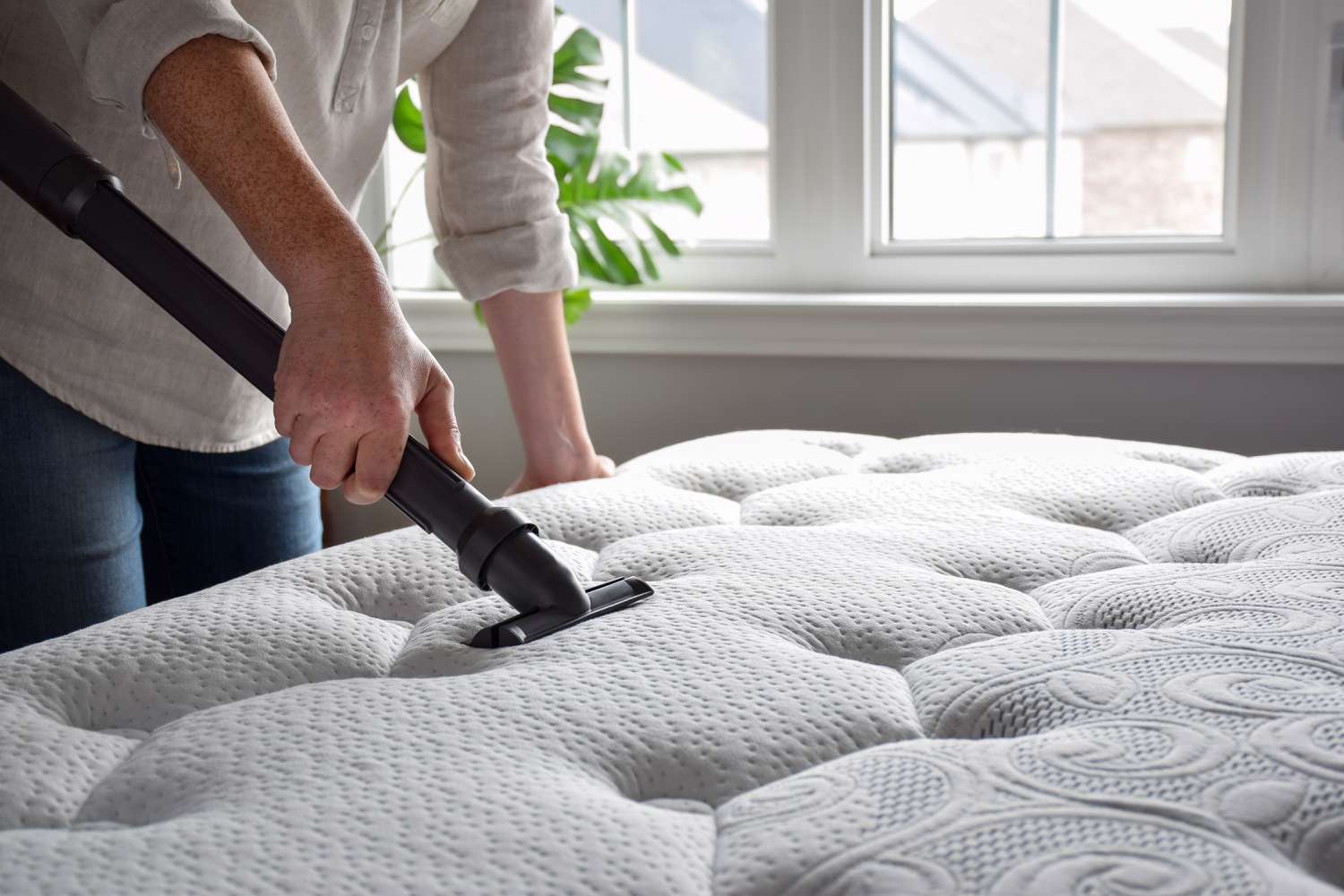
Choosing the right mattress can significantly impact your sleep quality, comfort, and overall health. Two of the most popular mattress types on the market today are latex and memory foam. While both offer pressure relief and support, they differ in feel, durability, temperature regulation, and responsiveness. Understanding these differences can help you determine which option best suits your sleeping style and personal preferences.
If you’re comparing mattress materials, it’s important to evaluate factors such as comfort, longevity, motion isolation, and maintenance. Both latex and memory foam have unique strengths, making the decision highly dependent on your individual needs.
Understanding Latex and Memory Foam
A latex mattress is made from natural latex, synthetic latex, or a blend of both materials. It is known for its responsive feel, durability, and breathability. Many sleepers prefer a latex mattress because it provides a balance of cushioning and support without excessive sinking.
Memory foam mattresses, on the other hand, are made from viscoelastic foam that softens in response to body heat and pressure. This material closely conforms to the body, creating a contouring effect that many people find comfortable.
Comfort and Feel
Latex Mattress
Latex has a naturally responsive and buoyant feel. It contours gently to the body while maintaining a supportive surface. Sleepers generally feel like they are resting on the mattress rather than sinking into it.
This responsiveness makes latex an excellent choice for combination sleepers who frequently change positions throughout the night.
Memory Foam Mattress
Memory foam is known for its deep contouring properties. It molds closely to the body’s shape, creating a cradling sensation that can relieve pressure points.
People who enjoy a soft, hugging feel often prefer memory foam. However, some sleepers may find it more difficult to move around due to its slower response time.
Support and Spinal Alignment
Both mattress types can provide excellent support when properly designed.
Latex offers consistent support across the entire mattress surface. It helps maintain spinal alignment while adapting to natural body curves.
Memory foam also supports the spine by distributing body weight evenly. Its contouring abilities can be particularly beneficial for individuals experiencing joint discomfort or pressure-related pain.
Temperature Regulation
Latex Performs Better for Cooling
One of the most significant differences between these materials is heat retention.
Latex naturally promotes airflow through its open-cell structure. Many latex mattresses also include ventilation channels that improve breathability and help maintain a cooler sleeping environment.
Memory Foam Can Retain Heat
Traditional memory foam tends to trap body heat because it closely conforms to the sleeper’s body. Although many modern models include cooling technologies such as gel infusions or open-cell designs, some sleepers may still experience warmth during the night.
Durability and Lifespan
Durability is an important consideration when investing in a new mattress.
Latex Mattress Longevity
Latex is widely regarded as one of the most durable mattress materials available. A high-quality latex mattress can maintain its comfort and support for well over a decade with proper care.
Memory Foam Durability
Memory foam mattresses generally have a shorter lifespan compared to latex. Over time, lower-density foams may develop impressions and lose some of their original support characteristics.
Motion Isolation
Motion isolation is especially important for couples.
Memory foam excels at absorbing movement, making it one of the best options for reducing sleep disturbances caused by a partner’s movements.
Latex also minimizes motion transfer, but its more responsive nature allows slightly more movement to travel across the surface compared to memory foam.
Allergy and Environmental Considerations
Natural latex is often chosen by environmentally conscious consumers because it is derived from renewable rubber tree sap. It can also resist dust mites and mold when properly maintained.
Memory foam is typically made from synthetic materials. While many modern products meet strict safety standards, they may not offer the same sustainability benefits as natural latex.
Cost Comparison
Price can influence the final decision for many buyers.
- Natural latex mattresses are usually more expensive due to their premium materials and longer lifespan.
- Memory foam mattresses are available across a wider range of price points, making them accessible to more budgets.
- While latex requires a higher upfront investment, its durability can provide long-term value.
Which Mattress Is Right for You?
A latex mattress may be the better choice if you:
- Prefer a responsive and supportive feel
- Sleep hot and need better airflow
- Want a highly durable mattress
- Value natural and eco-friendly materials
A memory foam mattress may be ideal if you:
- Enjoy deep body contouring
- Need maximum motion isolation
- Prefer a softer, hugging sensation
- Are shopping within a tighter budget
Final Thoughts
Both latex and memory foam mattresses offer excellent comfort and support, but they cater to different sleep preferences. Latex stands out for its durability, responsiveness, and cooling properties, while memory foam excels in pressure relief and motion isolation. By considering your sleeping habits, comfort preferences, and budget, you can confidently choose the mattress that best supports your long-term sleep health.