
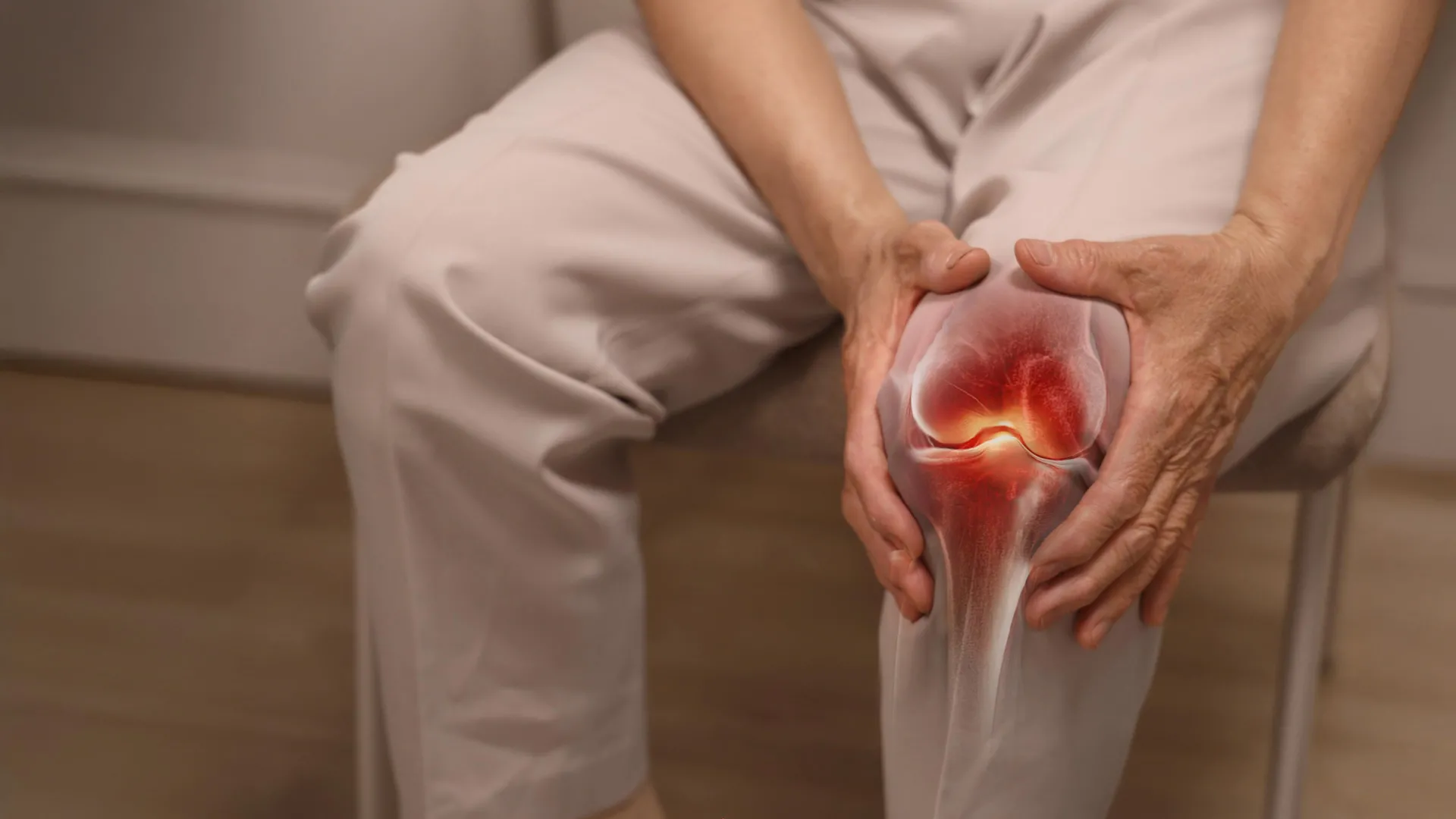
Knee pain after 40 is more common than most people realize. Many adults begin noticing stiffness while getting up from a chair, discomfort during long walks, or aching knees after climbing stairs. What once felt effortless suddenly starts feeling like your knees are filing complaints against you.
The truth is, knee pain after 40 can happen for several reasons, including aging, weight gain, old injuries, arthritis, and lifestyle habits. While occasional discomfort may not always be serious, persistent knee pain should never be ignored.
Understanding the root cause early can help prevent long-term joint damage and improve overall mobility.
Why Knee Pain Becomes Common After 40
The knees are among the hardest-working joints in the body. Every day they absorb pressure from walking, running, standing, lifting, and even sitting.
After 40, the body naturally starts experiencing changes such as:
- Gradual cartilage wear
- Reduced muscle strength
- Slower tissue repair
- Lower flexibility
- Increased inflammation
These changes may not happen overnight, but over time they increase stress on the knee joints.
Common Causes of Knee Pain After 40
There is no single reason behind knee pain after 40. In many cases, multiple factors work together.
Osteoarthritis
Osteoarthritis is one of the leading causes of knee pain in adults over 40. It occurs when cartilage inside the knee slowly breaks down over time.
Cartilage acts like a cushion between bones. When it becomes thinner, bones rub against each other, causing pain and stiffness.
Common symptoms include:
- Joint stiffness in the morning
- Swelling around the knee
- Pain during walking
- Cracking or grinding sounds
- Reduced flexibility
Osteoarthritis develops gradually and often worsens without proper care.
Weight Gain and Extra Pressure on the Knees
Body weight has a direct impact on knee health. Even a few extra kilograms can place significant pressure on the joints.
Experts often explain that knees experience several times your body weight during movement. This means carrying extra weight forces the knees to work much harder every day.
Your knees did not exactly sign up to become full-time weightlifters.
Old Injuries
Past injuries can become a major reason for knee pain after 40. Ligament tears, fractures, sports injuries, or meniscus damage may lead to chronic discomfort later in life.
Even injuries that healed years ago can increase the risk of arthritis and joint instability over time.
Weak Leg Muscles
Strong muscles support and stabilize the knee joint. After 40, muscle mass naturally begins to decline, especially without regular exercise.
Weak thigh and calf muscles place more stress directly on the knee, increasing pain during physical activity.
Tendonitis
Tendonitis happens when tendons become inflamed due to repetitive movement or overuse.
This condition is common among people who:
- Walk excessively
- Run on hard surfaces
- Stand for long hours
- Exercise without proper recovery
Pain usually becomes worse during movement and improves with rest.
Rheumatoid Arthritis
Rheumatoid arthritis is an autoimmune condition where the immune system attacks healthy joint tissues.
Unlike osteoarthritis, rheumatoid arthritis often affects both knees and may also cause:
- Fatigue
- Warm joints
- Swelling
- Fever
- Prolonged morning stiffness
Early treatment is important to reduce joint damage.
Lifestyle Habits That Can Worsen Knee Pain
Daily habits play a bigger role in knee health than many people think.
Sitting for Long Periods
Long hours of sitting can stiffen the knee joint and weaken supporting muscles.
Modern desk jobs and excessive screen time have made movement less common, which is not ideal for joint health.
Lack of Physical Activity
Avoiding exercise completely may actually worsen knee pain. Joints need movement to stay flexible and healthy.
Low-impact exercises help improve circulation and strengthen surrounding muscles.
Poor Footwear
Unsupportive shoes may change body alignment and increase pressure on the knees.
Worn-out footwear can slowly contribute to joint strain over time.
Overtraining
Excessive workouts without proper recovery can damage joints and inflame tendons.
More exercise is not always better — especially when your knees start sounding like bubble wrap.
Symptoms You Should Not Ignore
Some signs may indicate a more serious joint problem.
Persistent Swelling
Swelling lasting several days may suggest inflammation or internal joint damage.
Difficulty Walking
Pain that interferes with normal movement should be evaluated by a doctor.
Knee Locking or Instability
A knee that locks, catches, or gives way may indicate cartilage or ligament problems.
Redness and Warmth
These symptoms may point toward infection or inflammatory arthritis.
How Knee Pain After 40 Is Diagnosed
Doctors usually diagnose knee pain through a combination of physical exams and tests.
Physical Examination
The doctor checks swelling, flexibility, movement range, and tenderness.
Imaging Tests
X-rays and MRI scans help identify arthritis, ligament injuries, fractures, or cartilage damage.
Blood Tests
Blood tests may detect autoimmune diseases or inflammation markers.
Best Treatments for Knee Pain After 40
Treatment depends on the actual cause of the pain.
Exercise and Strength Training
Strengthening exercises improve joint stability and reduce pressure on the knees.
Helpful activities include:
- Walking
- Swimming
- Cycling
- Yoga
- Light strength training
Low-impact movement is usually safest for painful knees.
Weight Management
Losing excess weight reduces stress on the joints and may improve mobility significantly.
Physical Therapy
Physical therapists guide targeted exercises that improve flexibility and strengthen supporting muscles.
Medications
Doctors may recommend anti-inflammatory medicines or pain relievers depending on the condition.
Knee Braces and Supports
Supportive braces may help stabilize weak or painful knees during movement.
Surgery
Severe joint damage or advanced arthritis may require surgical treatment, including knee replacement.
Natural Ways to Support Knee Health
Healthy lifestyle habits can reduce inflammation and support long-term joint function.
Eat Anti-Inflammatory Foods
Foods rich in omega-3 fatty acids, vegetables, fruits, nuts, and seeds may help reduce inflammation naturally.
Stay Hydrated
Proper hydration supports cartilage health and joint lubrication.
Stretch Regularly
Stretching improves flexibility and reduces stiffness around the knees.
Get Enough Sleep
Poor sleep may increase inflammation and pain sensitivity.
Can Knee Pain After 40 Be Prevented?
You cannot completely stop aging, but you can slow down joint damage with smart habits.
Prevention tips include:
- Staying active regularly
- Maintaining a healthy body weight
- Wearing supportive footwear
- Strengthening leg muscles
- Avoiding repetitive joint stress
- Treating injuries early
- Stretching before workouts
Consistency matters far more than extreme fitness routines.
Final Thoughts
Knee pain after 40 is extremely common, but it should not be considered a normal part of life that must simply be tolerated. Aging, arthritis, injuries, muscle weakness, and lifestyle habits can all contribute to knee discomfort.
The key is paying attention to symptoms early and taking proactive steps to protect joint health. Regular exercise, healthy weight management, proper recovery, and medical guidance can help keep your knees stronger for years to come.
After all, your knees have been carrying you around for decades. They deserve at least a little appreciation now.