

Remodeling your kitchen? You’re not alone. The kitchen is the heart of the home and one of the most popular (and expensive) spaces to upgrade. But if you’re planning to sell your home, refinance, or just curious about ROI, the big question is:
Will your kitchen remodel actually increase your home’s appraised value? The answer? It depends.
Let’s break down how kitchen remodels impact home appraisals, what appraisers look for, and how to get the most bang for your renovation buck.
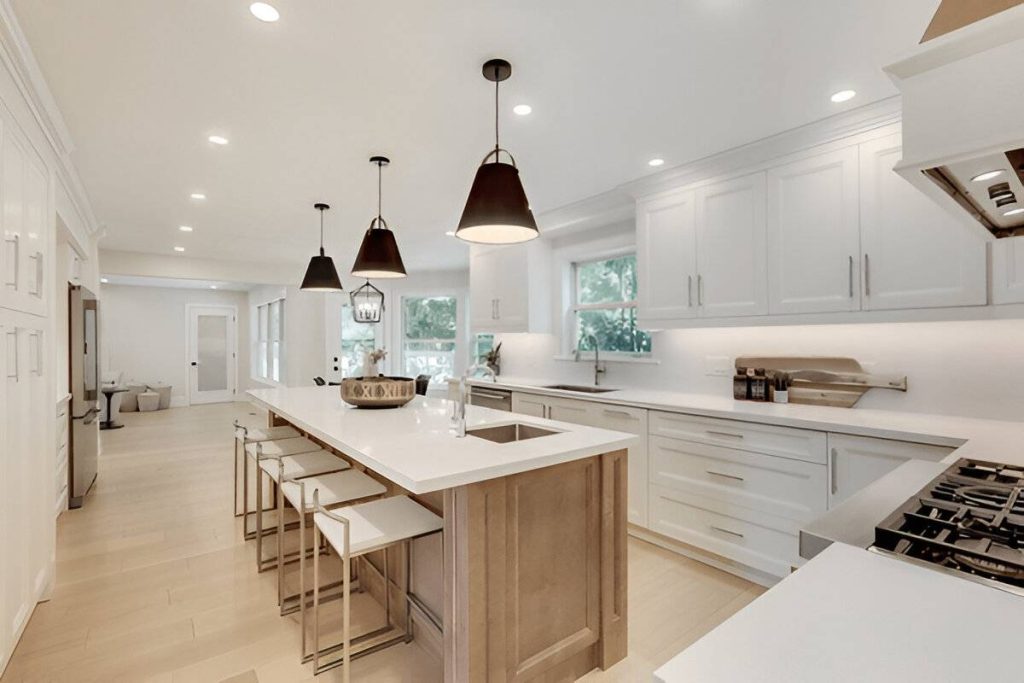
First Things First: What’s a Home Appraisal?
An appraisal is a professional, third-party opinion of your home’s value. Lenders use it to make sure the home is worth the amount you’re borrowing. Homeowners might also order one when refinancing, getting a HELOC, or even just planning major renovations.
An appraiser doesn’t just walk through your house and guess. They use:
- Comparable sales in your neighborhood
- The condition of your home
- Square footage and layout
- Upgrades and improvements, including your new kitchen
So yes, your kitchen remodel can influence your home’s value, but the type of remodel matters.
What Appraisers Look For in a Kitchen Remodel
Not all remodels are equal. A $75,000 luxury kitchen won’t always give you more value than a well-done $25,000 one. Appraisers focus on added value, not just added cost. Here’s what they really pay attention to:
- Quality of Materials
Granite, quartz, soft-close cabinets, name-brand appliances, these matter, but only to a point. Quality shows, but don’t assume “expensive = valuable.” A functional, attractive kitchen with mid-range finishes often appraises just as well as an ultra-luxury one in a mid-priced home.
- Design and Functionality
A well-designed layout, good lighting, ample counter space, and storage all count. If your remodel fixes a poorly designed space (say, moving the stove away from the fridge or adding more usable prep space), appraisers often give that weight.
- Consistency With the Rest of the Home
If your home is modest and the kitchen looks like it belongs in a high-end mansion, the mismatch might work against you. Appraisers want balance, updates should feel cohesive with the rest of the home and neighborhood.
- Permits and Code Compliance
Always get the proper permits. Appraisers and future buyers look favorably on renovations that were done legally and to code.
- Neighborhood Expectations
In some markets, not having a remodeled kitchen may hurt your value. In others, over-improving might mean you won’t get your money back. Appraisers consider the value of nearby homes and what buyers in that area expect.
How Much Does a Kitchen Remodel Add to Home Value?
It depends on the scale of the remodel, your location, and your home’s current condition. But here’s a rough breakdown:
- Minor remodel (cosmetic updates, ~$20–30K):
Return on investment (ROI) around 70–80%. - Mid-range remodel (new cabinets, countertops, appliances, ~$30–50K):
ROI around 60–70%. - High-end remodel (custom cabinetry, luxury appliances, structural work, $70K+):
ROI around 50–60%, sometimes less if it’s out of step with the rest of the home or neighborhood.
Appraisers won’t give you a dollar-for-dollar return, but they will note improved condition, modern appeal, and increased buyer interest, which translates to higher value.
Smart Updates That Appraisers (and Buyers) Love
If you’re remodeling with appraisal value in mind, here’s where to focus:
- Cabinet refacing or replacement: New doors, hardware, and finishes give instant visual improvement.
- Updated countertops: Quartz, granite, or butcher block add appeal without breaking the bank.
- Modern, energy-efficient appliances: Stainless steel isn’t required but newer, matching appliances look more cohesive and functional.
- Improved lighting: Under-cabinet lights, pendant fixtures, and daylighting make a big impact.
- New backsplash: Affordable yet transformative.
- Fresh paint and flooring: Neutral colors and durable materials (like LVP or tile) update the space without overspending.
Should You Tell the Appraiser About the Remodel?
Absolutely. Appraisers don’t always know what’s new just by looking. When they visit your home, provide:
- A list of updates you’ve made (with dates and approximate costs)
- Before-and-after photos if available
- Receipts or contractor invoices (especially helpful for recent remodels)
This doesn’t guarantee a specific increase in value, but it gives the appraiser context, which helps them make more informed comparisons.
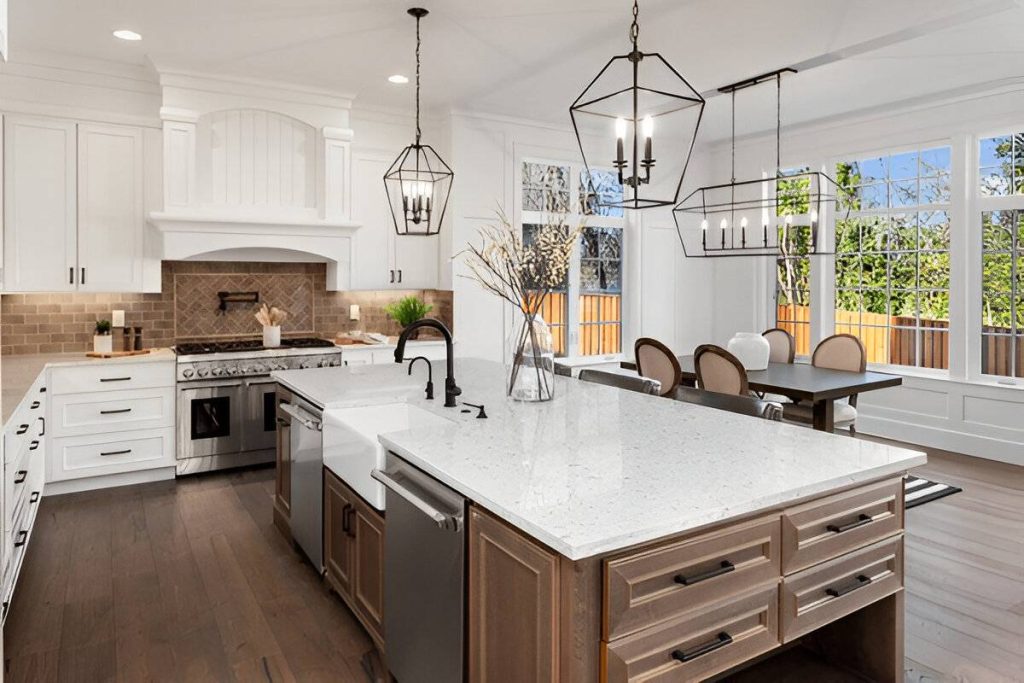
Kitchen Remodel Appraisal: Real Scenarios
Here’s how kitchen remodels played out in real-life appraisal situations:
Case 1: Modest Home, Basic Kitchen Upgrade
A homeowner spent $25,000 updating cabinets, counters, appliances, and lighting. The appraised value went up by $18,000, enough to help them secure a better refinancing deal.
Case 2: Luxury Kitchen in Starter Home
A homeowner spent over $100K on a chef’s kitchen with Sub-Zero appliances and marble everything. The appraiser added only $35K in value. Why? It far exceeded the neighborhood standard.
Case 3: Aging Kitchen Left Untouched
A home with a 1990s kitchen appraised noticeably lower than similar properties nearby that had been updated. The buyer asked for a lower purchase price based on the needed renovation costs.
When a Remodel Doesn’t Help Much
Here are some common missteps:
Going too trendy
Super-unique design choices (like colored cabinets or ultra-modern layouts) may not age well or appeal to most buyers.
Overspending for the market
Know your neighborhood ceiling. Don’t invest $80K in a $300K home unless you’re staying long-term.
DIY gone wrong
If it looks amateur or was done without permits, it could hurt your appraisal. Always use licensed professionals when needed.
Conclusion:
A kitchen remodel can absolutely boost your home’s appraised value, but only if done thoughtfully. Appraisers care about quality, consistency, and functionality, not just price tags.
Before you start ripping out cabinets or dropping tens of thousands of dollars, think strategically. What makes your kitchen more livable, more modern, and more attractive without going overboard? That’s the sweet spot.
And when it’s time for an appraisal? Give the appraiser the full story. A little communication goes a long way in making sure your investment is properly recognized.
Frequently Asked Questions
How much does a typical kitchen remodel cost?
The cost of a kitchen remodel can vary widely depending on the size of the kitchen, the quality of materials, and the complexity of the design.
How long does a kitchen remodel usually take?
A standard kitchen remodel typically takes 6 to 12 weeks. This timeline includes planning, demolition, installation, and finishing.
Do I need permits for a kitchen remodel?
Yes, in most cases. If your remodel involves plumbing, electrical work, or structural changes, you’ll likely need building permits.
Should I hire a designer for my kitchen remodel?
While not required, hiring a designer can make the process smoother and help you make smart layout and style decisions.
What’s the best layout for a kitchen remodel?
There’s no one-size-fits-all layout. Popular options include L-shaped, U-shaped, galley, and open-concept kitchens.
Visit for more Articles : Time Business News