
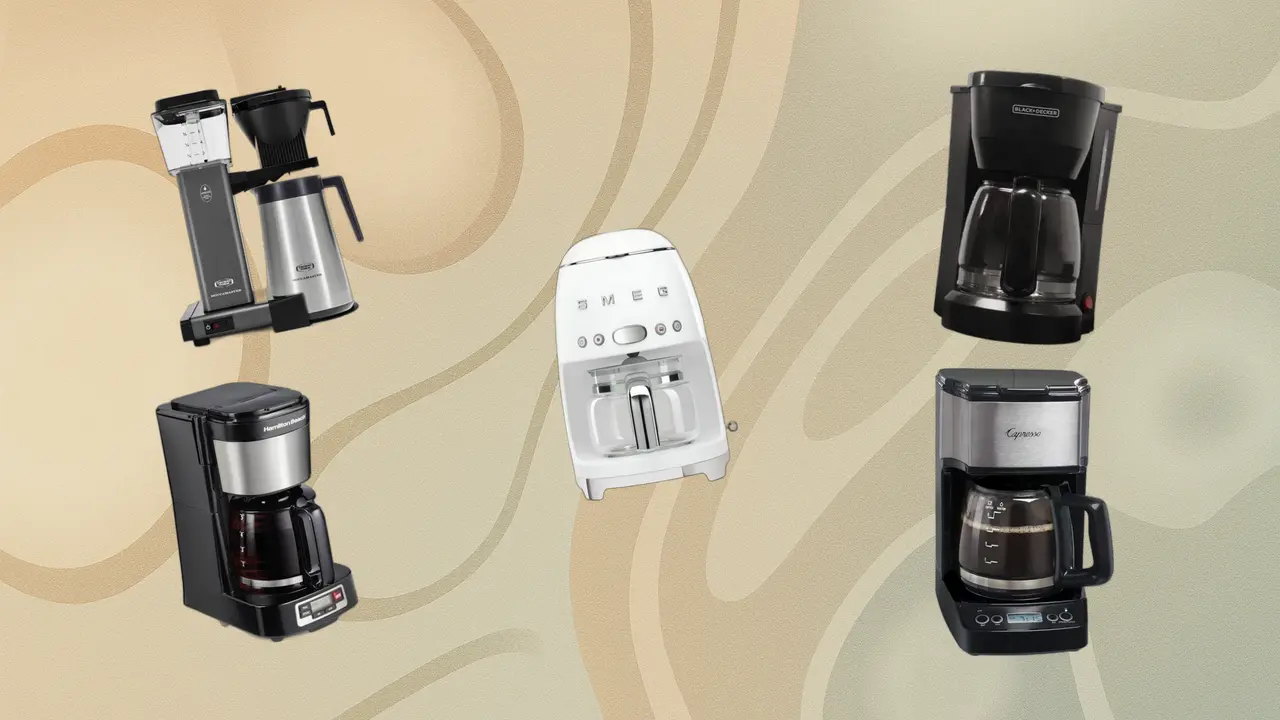
In the global home appliance market, selecting the right supplier is one of the most important decisions for retailers and wholesalers. Small appliances such as blenders, kettles, irons, and air fryers are in constant demand, but maintaining consistent quality and supply requires careful evaluation of manufacturing partners.
The process of sourcing reliable partners has become more structured as businesses increasingly depend on international trade networks. Today, many buyers research multiple small appliance suppliers before committing to long-term cooperation, comparing product quality, production capabilities, and service standards to ensure sustainable business growth. This research stage plays a critical role in avoiding future supply chain disruptions and maintaining competitive advantage.
Product Quality and Compliance Standards
One of the first and most important factors to evaluate is product quality. Small appliances are directly used by consumers, which means safety, durability, and performance are non-negotiable.
Reputable suppliers typically follow international certification standards such as CE, RoHS, or ISO. These certifications indicate that the products have undergone strict testing procedures and meet required safety regulations.
Businesses should also request product samples before placing bulk orders. Testing samples allows buyers to evaluate:
- Material durability and finishing quality
- Energy efficiency and performance stability
- User safety features and design reliability
Consistent product quality ensures fewer returns, stronger customer trust, and improved brand reputation in competitive markets.
Manufacturing Capability and Scalability
A supplier’s production capacity determines how well they can support growing business demands. Retailers and wholesalers often experience seasonal spikes, promotional surges, or sudden increases in demand, making scalability a key requirement.
Manufacturers with modern production lines and automated systems are usually better positioned to handle large-scale orders without delays. It is also important to understand whether the supplier can maintain consistent output during peak seasons without compromising quality.
Scalability is not just about volume. It also includes the ability to introduce new models or adapt existing designs based on market trends. Suppliers with flexible production systems provide a significant advantage in fast-moving retail environments.
Communication and Supply Chain Transparency
Clear and responsive communication is often overlooked but plays a vital role in supplier relationships. Delays in response or unclear updates can lead to misunderstandings, shipment delays, and inventory shortages.
Reliable suppliers maintain transparent communication channels, offering regular updates on order status, production timelines, and potential delays. This level of transparency helps businesses plan inventory more efficiently and reduce operational risks.
It is also beneficial to evaluate how suppliers handle documentation, such as invoices, shipping records, and quality inspection reports. Organized documentation reflects professionalism and reduces errors in international trade operations.
Pricing Models and Hidden Cost Evaluation
While pricing is always a major consideration, it should not be the only deciding factor. The lowest price does not always translate into the best value, especially when hidden costs are involved.
When evaluating pricing structures, businesses should consider:
- Unit cost vs. bulk discount tiers
- Packaging and customization fees
- Shipping and logistics expenses
- Warranty and replacement policies
A transparent supplier clearly explains all cost components upfront. This helps businesses calculate true landed costs and avoid unexpected financial issues later.
Long-term partnerships often benefit from negotiated pricing agreements, which can provide more stable margins and predictable procurement costs.
Logistics, Delivery, and After-Sales Support
Efficient logistics and reliable delivery schedules are essential in maintaining inventory flow. Even high-quality products lose value if they arrive late or inconsistently.
Suppliers with strong logistics networks can ensure timely delivery across different regions. It is also important to assess their experience with international shipping regulations, customs clearance, and packaging standards.
After-sales support is another critical factor. This includes handling defective products, providing spare parts, and responding to technical inquiries. Strong after-sales service reduces operational stress and improves long-term customer satisfaction.
Conclusion
Evaluating small appliance suppliers requires more than just comparing prices. It involves a comprehensive assessment of quality standards, manufacturing capabilities, communication practices, pricing transparency, and logistical efficiency.
Businesses that take the time to carefully analyze these factors are more likely to build stable supply chains and achieve long-term success in the competitive home appliance market. A well-chosen supplier not only supports current operations but also becomes a strategic partner in future growth and expansion.