
Artificial intelligence (AI) is changing the way people work. It can write emails, analyze data, and even help drive cars. Because of this, many people worry about their future jobs. They wonder, “Will AI replace me?” The truth is, AI will take over some tasks, but there are many jobs it cannot fully replace. These jobs often require human skills like creativity, empathy, hands-on work, and problem-solving in real-world settings.
In this article, we will explore jobs that AI is unlikely to replace and explain why these roles remain important.
Why AI Can’t Replace Every Job
AI is very good at following patterns and rules. It can process large amounts of information quickly. However, it struggles with tasks that require:
- Human connection
- Physical work in unpredictable environments
- Creativity and original thinking
- Ethical decision-making
Jobs that depend on these skills are much harder for AI to take over.
Skilled Trades Will Always Be Needed
One of the safest career paths in the age of AI is skilled trades. These jobs involve working with your hands and solving problems on-site. Every home and building has unique issues, which makes it hard for AI or robots to fully replace human workers.
For example, a local electrician must deal with different wiring systems, safety risks, and unexpected problems. AI might help diagnose issues, but it cannot physically fix wiring in a home or safely handle electrical repairs in tight or dangerous spaces.
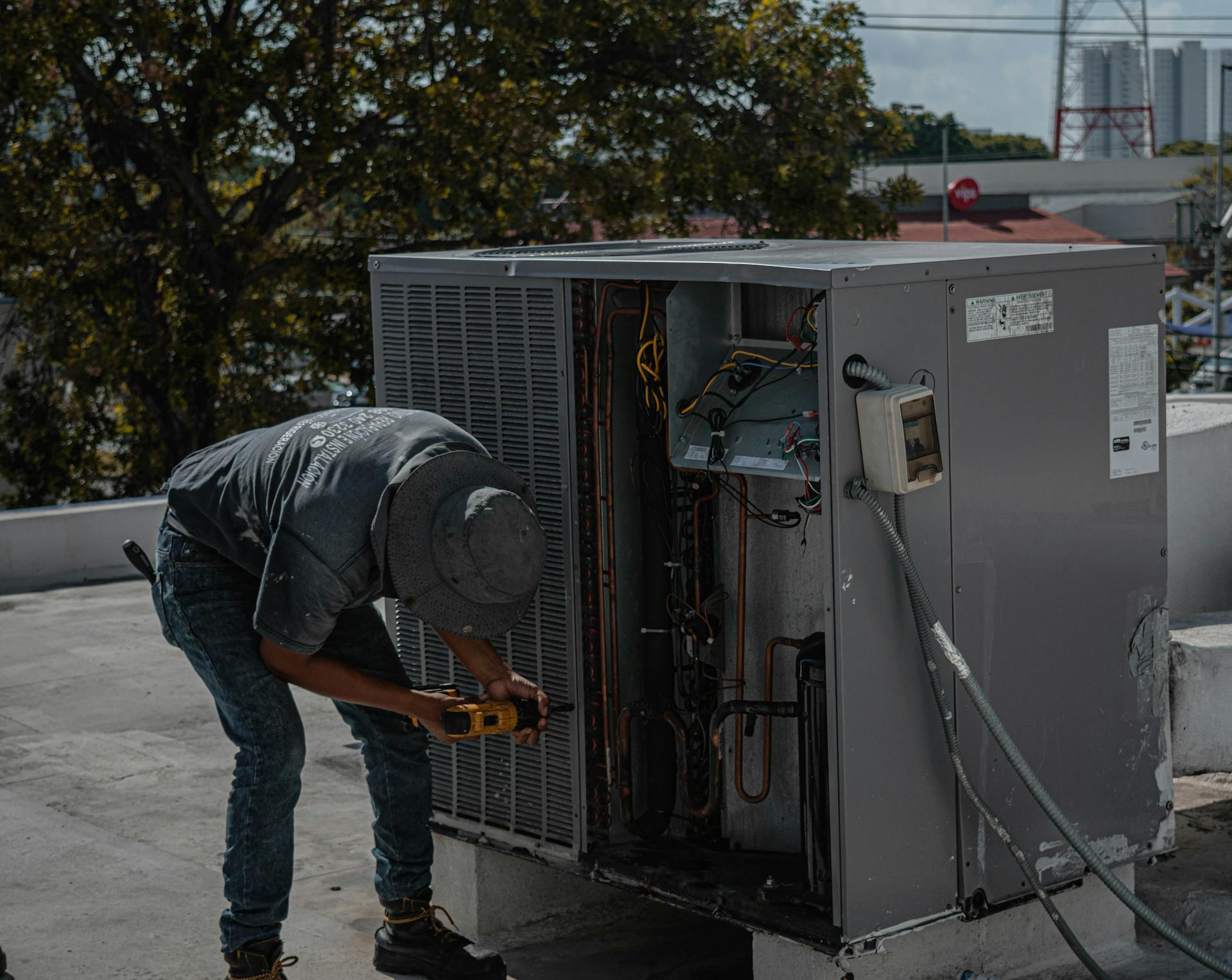
Similarly, professionals who provide local HVAC services work with heating and cooling systems that vary from building to building. These systems often break down in unique ways, requiring hands-on troubleshooting and quick thinking. AI tools can assist, but they cannot replace the human expertise needed on-site.
Skilled trades are not only safe from automation—they are also in high demand. Many younger workers have not entered these fields, creating a shortage of trained professionals.
Healthcare Workers Need Human Touch
Healthcare is another field where AI cannot fully replace humans. While AI can help doctors analyze medical data or suggest diagnoses, it cannot provide the emotional support patients need.
Nurses, doctors, and caregivers spend time with patients, listen to their concerns, and make complex decisions based on both data and human understanding. A machine cannot comfort a patient who is scared or explain a difficult diagnosis with empathy.
In addition, healthcare often involves unpredictable situations. A nurse may need to react quickly in an emergency or adjust care based on a patient’s condition. These decisions require judgment and experience that AI cannot fully replicate.
Teachers Shape Future Generations
Education is about more than sharing information. Teachers inspire students, help them grow, and support their emotional development. While AI can provide tutoring or answer questions, it cannot replace the human connection between a teacher and a student.
Teachers notice when a student is struggling, encourage them to keep going, and adjust lessons based on individual needs. They also help students develop social skills, which are important for life.
Even with advanced technology in classrooms, teachers will remain essential.
Creative Professionals Bring Original Ideas
AI can create art, music, and writing, but it often relies on existing patterns. True creativity involves original thinking, emotions, and unique perspectives.
Artists, writers, designers, and musicians bring personal experiences into their work. This makes their creations meaningful and different from anything AI can produce.
For example, a graphic designer does more than create images. They understand a client’s vision, communicate ideas, and make creative choices that connect with people. These human elements are difficult for AI to match.
Leadership and Management Roles
Leaders and managers play a key role in guiding teams and making decisions. While AI can provide data and suggestions, it cannot replace human leadership.
Good leaders motivate their teams, resolve conflicts, and make decisions based on both logic and emotion. They also take responsibility for outcomes and build relationships with employees.
In many workplaces, people want to follow a leader they trust—not a machine.
Emergency Responders Handle Real-Life Situations
Firefighters, police officers, and paramedics work in high-pressure situations where every second counts. These jobs require quick thinking, courage, and adaptability.
AI can assist with data or predictions, but it cannot physically respond to emergencies or make split-second decisions in unpredictable environments.
For example, a firefighter entering a burning building must assess danger, rescue people, and adjust their actions as conditions change. These tasks are too complex and risky for AI alone.
Customer Service with a Human Touch
Many companies use AI chatbots for basic customer service. However, when problems become complicated or emotional, people still want to talk to a real person.
Human customer service representatives can understand tone, show empathy, and solve unique problems. They can also build relationships with customers, which helps businesses grow.
AI may handle simple questions, but humans will continue to handle more complex interactions.
Construction and Manual Labor Jobs
Construction workers, plumbers, and other laborers perform tasks that require physical strength and flexibility. Each job site is different, and conditions can change quickly.
AI and robots may assist with certain tasks, but they cannot fully replace human workers who can adapt to real-world challenges.
These jobs also require teamwork and communication, which are difficult for machines to replicate.
Technology Jobs Still Need Humans
It might seem surprising, but even jobs in technology are safe from full AI replacement. Software developers, engineers, and IT specialists are needed to build, maintain, and improve AI systems.
AI tools can help write code or find errors, but humans are still needed to design systems, solve complex problems, and ensure everything works correctly.
As technology grows, the demand for skilled tech workers will continue to rise.
Local Businesses Depend on People
Small and local businesses rely heavily on human workers. These businesses often provide personalized services that AI cannot match.
Companies like Fitch focus on serving their communities with hands-on expertise and customer care. Whether it’s fixing a system in a home or helping a customer understand their options, human interaction plays a key role.
Local businesses succeed because they build trust with customers—something AI cannot easily do.
Jobs That Combine AI and Human Skills
It’s important to understand that AI is not always a threat. In many cases, it works alongside humans to make jobs easier.
For example:
- Doctors use AI to analyze medical images
- Electricians may use smart tools for diagnostics
- Teachers use AI to create lesson plans
In these cases, AI improves efficiency, but humans remain in control.
How to Choose a Future-Proof Career
If you are thinking about your future, consider careers that focus on:
- Hands-on work
- Human interaction
- Creativity
- Problem-solving
Jobs that combine these skills are much harder to automate.
It’s also important to keep learning. As technology changes, workers who adapt and grow will always have an advantage.
Final Thoughts
AI is changing the world, but it will not replace every job. Many careers require human skills that machines cannot copy. Skilled trades, healthcare, education, creative work, and leadership roles will continue to need people.
Instead of fearing AI, it’s better to understand how it works and find ways to use it as a tool. The future of work is not about humans vs. machines—it’s about humans working with machines.
By choosing a career that values human strengths, you can build a future that remains secure, meaningful, and rewarding.