
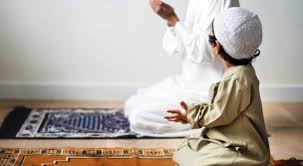
Raising children in Western countries brings many advantages—quality education, safety, and broader opportunities. However, for Muslim parents, it also raises an important concern: how to protect and nurture their children’s Islamic identity in a non-Muslim environment.
From schools and media to peer pressure and societal norms, children are constantly influenced by external factors. Without proper guidance, they may gradually distance themselves from their faith—not out of rejection, but due to lack of understanding and confidence in practicing Islam.
This guide provides practical and balanced strategies to help Muslim parents raise children who remain connected to their faith while thriving in Western societies.
What Does Islamic Identity Mean for Children?
Islamic identity goes far beyond having a Muslim name, wearing traditional clothing, or celebrating Eid. For a child, it is an inner connection with Islam that shapes their thinking, behavior, and worldview.
It includes:
- Iman (Faith): Knowing Allah, trusting Him, and developing a spiritual connection
- Ibadah (Worship): Establishing prayer, Quran recitation, and remembrance of Allah
- Akhlaq (Character): Practicing honesty, kindness, respect, and humility
- Values: Making halal choices, observing modesty, and being responsible
There is a clear difference between cultural Islam and lived Islam. Children who only inherit cultural practices may struggle later, while those who experience Islam as a living reality grow up confident in their identity.
Challenges Faced by Muslim Children in the West
Muslim children in Western societies often face challenges that are not always visible to parents, such as:
- Pressure to blend in and avoid standing out
- Bullying or teasing due to religious identity
- Exposure to values that contradict Islamic teachings
- Confusion about faith, morality, and identity
- Feeling isolated from a strong Muslim community
Without proper support, these challenges can weaken a child’s connection to Islam.
Parents: The Most Influential Role Models
Children learn more from what parents do than what they say.
When parents:
- Perform salah regularly
- Speak truthfully
- Display modesty and respect
- Turn to Allah in times of difficulty
Children naturally adopt these behaviors.
Consistency is key. When actions match words, Islam becomes real and relevant in a child’s life—not just theoretical.
Creating an Islamic Environment at Home
A strong Islamic identity begins within the home.
Some practical steps include:
- Making salah a regular family activity
- Keeping the Quran part of daily routine
- Having simple Islamic discussions during everyday moments
- Teaching halal and haram with wisdom and understanding
- Presenting Islam as balanced, compassionate, and practical
When Islam feels natural at home, children carry it confidently into the outside world.
Teaching Quran and Islamic Knowledge
A child’s connection with the Quran is one of the strongest safeguards of their identity.
Parents can:
- Start Islamic learning at an early age
- Teach basic Quran reading and daily duas
- Enroll children in local mosque programs
For families facing time or accessibility challenges, structured online learning can be a helpful alternative. Platforms like The Quranic Academy provide consistent Quran and Islamic education while accommodating busy schedules.
The goal is consistency—not perfection.
The Impact of School and Friends
A child’s environment plays a major role in shaping their identity.
Parents should:
- Consider Islamic schools where possible
- Enroll children in weekend Islamic programs
- Encourage friendships with practicing Muslim peers
- Stay aware of their children’s social circle
The aim is not isolation, but guided exposure and awareness.
Communicating Islam Effectively
Children naturally ask questions about faith—and this should be encouraged.
Healthy communication includes:
- Welcoming questions without judgment
- Giving honest and age-appropriate answers
- Listening more and lecturing less
- Addressing doubts calmly
Islam should be presented as a source of comfort and clarity—not fear or pressure.
Building Confidence in Islamic Identity
Confidence comes from positive reinforcement.
Parents can:
- Celebrate Ramadan and Eid meaningfully
- Teach children how to explain Islam respectfully
- Prepare them to respond to questions in school
- Help them see their identity as a strength
A confident Muslim child does not feel the need to hide their faith.
Using Technology Wisely
Technology can either weaken or strengthen a child’s identity.
Positive use includes:
- Islamic learning apps and Quran programs
- Educational Islamic content
- Setting healthy screen-time limits
- Monitoring exposure to inappropriate content
Technology should support Islamic growth—not replace it.
Common Mistakes to Avoid
Some common parenting mistakes include:
- Using fear instead of love
- Being overly strict without explanation
- Delaying Islamic education
- Avoiding difficult conversations
- Practicing Islam inconsistently
Recognizing these mistakes helps parents adjust their approach early.
A Long-Term Vision
Building a strong Islamic identity takes time and patience.
It requires:
- Consistent small efforts
- Balance between discipline and compassion
- Making du‘a along with taking action
- Trusting Allah’s plan
Parents are planting seeds that will grow over time.
Conclusion
Raising Muslim children in the West is undoubtedly challenging—but it is absolutely achievable.
With sincerity, wisdom, and consistency, parents can nurture children who are confident in their faith and proud of their identity.
Islam should live in their hearts—not feel like a burden on their shoulders.
FAQs
How can parents protect their child’s Islamic identity?
By practicing Islam at home, maintaining open communication, and ensuring consistent Islamic education.
When should children start learning Islam?
As early as ages 3–4 through simple habits and teachings.
Is online Quran learning effective?
Yes, when structured properly, it provides flexibility and consistency.
How can I build my child’s confidence as a Muslim?
By celebrating Islamic identity and modeling confidence yourself.
What if my child asks difficult questions?
Answer with patience, honesty, and age-appropriate explanations.