
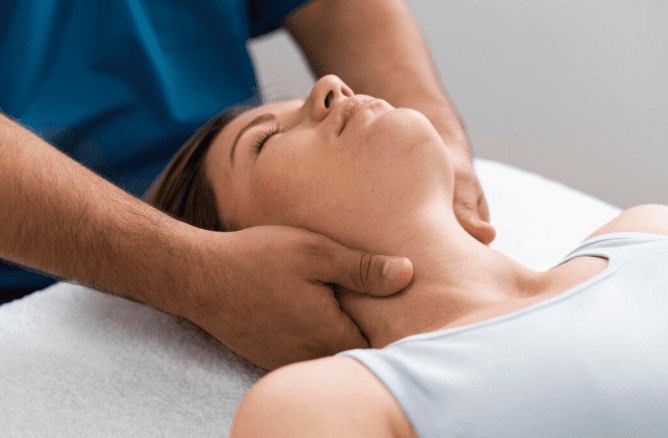
Lower back pain is one of the most common health complaints worldwide. From office workers sitting for long hours to athletes and older adults, nearly everyone experiences lower back discomfort at some point in life. While medications and physical therapy are common treatments, many people wonder: is massage good for lower back pain?
The short answer is yes—massage therapy can be highly beneficial when used correctly. Let’s explore how it works, its benefits, types of massage, and when it may or may not be suitable.
Understanding Lower Back Pain
Lower back pain can be caused by several factors, including muscle strain, poor posture, stress, injury, herniated discs, or chronic conditions like arthritis. Often, the pain is linked to tight muscles, restricted blood flow, and tension in the surrounding tissues. This is where massage therapy can play an important role.
How Massage Helps Lower Back Pain
Massage therapy works by manipulating soft tissues such as muscles, tendons, and ligaments. This helps the body relax and heal naturally. Here’s how massage specifically helps with lower back pain:
1. Relieves Muscle Tension
Tight or knotted muscles are a major cause of lower back pain. Massage helps loosen these muscles, reducing stiffness and discomfort.
2. Improves Blood Circulation
Massage increases blood flow to the affected area, delivering oxygen and nutrients that promote faster healing and reduce inflammation.
3. Reduces Stress and Pain Hormones
Massage lowers cortisol (stress hormone) levels and increases endorphins, which are the body’s natural painkillers. This leads to both physical and mental relaxation.
4. Enhances Mobility and Flexibility
By relaxing muscles and improving tissue elasticity, massage can improve range of motion and make everyday movements easier and less painful.
5. Supports Long-Term Pain Management
Regular massage can help prevent recurring back pain by keeping muscles relaxed and balanced.
Types of Massage That Help Lower Back Pain
Not all massages are the same. Some techniques are more effective for lower back pain than others:
Swedish Massage
This is a gentle, relaxing massage that improves circulation and reduces mild to moderate muscle tension. It’s ideal for stress-related back pain.
Deep Tissue Massage
This technique targets deeper layers of muscle and connective tissue. It’s especially helpful for chronic pain and long-standing muscle tightness.
Trigger Point Therapy
This focuses on specific tight areas (trigger points) that cause referred pain. Releasing these points can significantly reduce lower back discomfort.
Sports Massage
Often used by athletes, sports massage helps with muscle recovery, flexibility, and injury prevention, making it useful for active individuals with back pain.
Scientific Evidence Supporting Massage
Several studies suggest that massage therapy can be effective for both acute and chronic lower back pain. Research shows that people who receive massage often experience reduced pain intensity, improved function, and better quality of life compared to those who receive no treatment or only medication.
Massage is especially effective when combined with other approaches such as exercise, stretching, proper posture, and lifestyle changes.
Click here for know more about : Sciatica Pain Treatment
When Massage May Not Be Enough
While massage is beneficial, it is not a cure-all. Massage may not be suitable—or should be used with caution—if lower back pain is caused by:
- Severe spinal injuries
- Fractures
- Infections
- Tumors
- Advanced disc herniation with nerve compression
In such cases, it’s important to consult a healthcare professional before starting massage therapy.
How Often Should You Get a Massage?
The frequency depends on the severity of pain and individual needs. For acute pain, sessions once or twice a week may help. For chronic lower back pain, regular sessions every two to four weeks can be beneficial for maintenance and prevention.
Tips to Maximize Massage Benefits
- Choose a licensed and experienced massage therapist
- Communicate clearly about pain levels and problem areas
- Stay hydrated after sessions
- Combine massage with stretching and strengthening exercises
- Maintain good posture and ergonomic habits
Final Thoughts
So, is massage good for lower back pain? Absolutely. Massage therapy is a natural, non-invasive way to reduce pain, relax muscles, improve circulation, and enhance overall well-being. While it may not replace medical treatment in serious cases, it can be a powerful part of a holistic pain management plan.
If you suffer from lower back pain, incorporating massage into your routine—along with healthy movement and proper care—could help you feel more comfortable, mobile, and pain-free.