
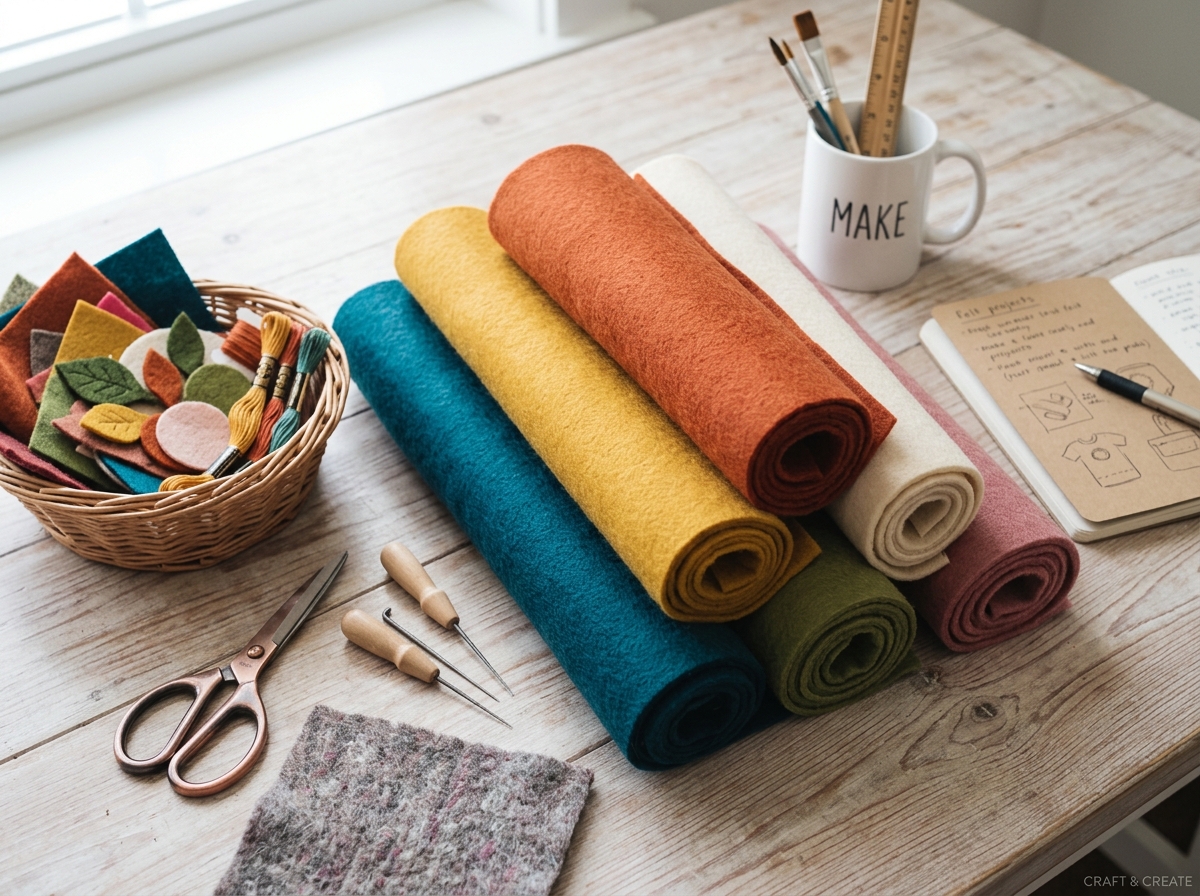
The short answer is no, Felt Fabric is not naturally waterproof. Most felt absorbs water because its fibers contain tiny spaces that allow moisture to pass through. However, some types of felt are naturally more water-resistant than others, and synthetic felt can be treated with waterproof coatings to improve its moisture protection.
If you’re using felt for crafts, home décor, outdoor projects, bags, or furniture, understanding how it reacts to water will help you choose the right material. In this guide, you’ll learn whether felt is waterproof, how different types of felt perform around moisture, and when waterproof felt is the better option.
What Is Felt Fabric?
Felt Fabric is a non-woven textile made by compressing and matting fibers together using heat, moisture, pressure, or chemicals. Unlike woven fabrics, felt has no visible weave or knit structure, giving it a dense, smooth appearance.
Felt can be manufactured from several types of fibers, including:
- Wool felt
- Polyester felt
- Acrylic felt
- Blended felt
- Industrial needle-punched felt
Its durability, flexibility, and ease of cutting make felt one of the most popular fabrics for crafting, sewing, home décor, educational projects, and industrial applications.
Why Isn’t Felt Fabric Naturally Waterproof?
Many people assume felt is waterproof because it feels thick and dense. In reality, thickness does not automatically prevent water from passing through.
Most felt materials contain microscopic spaces between compressed fibers. When water contacts the surface, it slowly moves into these spaces through capillary action.
Natural wool fibers also absorb moisture, although they repel small amounts of water better than many synthetic fibers because of the lanolin naturally found in wool.
Once enough moisture builds up, even wool felt eventually becomes wet.
Is Felt Fabric Water Resistant?
Yes, many felt fabrics are water resistant, but water resistance and waterproofing are not the same.
Water-resistant felt can handle:
- Light rain
- Small spills
- Humid environments
- Short-term moisture exposure
However, prolonged exposure to water allows moisture to penetrate the fibers.
Waterproof materials, on the other hand, completely block water from entering under normal conditions.
For this reason, standard felt should never be considered fully waterproof unless it has been specially treated or laminated.
Different Types of Felt Fabric and Their Water Resistance
Not all felt behaves the same around moisture.
Wool Felt
Wool felt naturally resists small amounts of water because wool fibers contain lanolin, a natural wax-like substance.
Water droplets often bead on the surface before soaking in.
However, if wool remains wet for too long, it eventually absorbs moisture and can lose its shape if not dried correctly.
Wool felt is ideal for:
- Hats
- Indoor décor
- Crafts
- Bags
- Decorative accessories
Polyester Felt
Polyester felt is made from synthetic fibers that absorb much less water than natural wool.
Although polyester itself resists moisture, the spaces between the fibers still allow water to pass through.
This makes polyester felt more water resistant than many natural felt options.
It is commonly used for:
- Home décor
- Furniture padding
- Automotive applications
- Storage organizers
- DIY crafts
Acrylic Felt
Acrylic felt offers moderate moisture resistance but is generally less durable than polyester felt.
It is primarily used in:
- Children’s crafts
- School projects
- Holiday decorations
- Costume making
Since acrylic felt is inexpensive, it is not recommended for projects exposed to frequent moisture.
Needle-Punched Industrial Felt
Industrial felt is manufactured for applications that require strength, insulation, cushioning, or filtration.
Some industrial felt products receive waterproof coatings depending on their intended use.
These specialized felts appear in:
- Automotive components
- Construction materials
- Machinery insulation
- Soundproofing systems
Can Felt Fabric Become Waterproof?
Yes. Manufacturers can improve felt’s water resistance through several methods.
Waterproof Coatings
Special waterproof sprays create a protective layer that helps repel water.
These coatings work well for decorative projects but gradually wear away with repeated handling.
Rubber or Vinyl Backing
Some felt fabrics include a rubber or vinyl backing that blocks water from passing through one side.
These materials are commonly used for:
- Protective mats
- Furniture pads
- Outdoor accessories
Laminated Felt
Industrial laminated felt combines felt with waterproof membranes to create materials suitable for demanding environments.
These products are often found in construction and automotive industries.
What Happens When Felt Gets Wet?
Getting wet does not automatically ruin felt, but moisture can change its appearance and performance.
Depending on the fiber type, wet felt may:
- Become heavier
- Stretch slightly
- Shrink after drying
- Lose stiffness temporarily
- Take several hours to dry completely
Wool felt is especially sensitive to excessive heat during drying.
Using high heat may cause additional shrinking because wool fibers naturally tighten under heat and moisture.
Is Felt Fabric Good for Outdoor Use?
Standard felt is generally designed for indoor applications.
If exposed to repeated rain or standing water, untreated felt may:
- Hold moisture
- Develop mildew if stored wet
- Fade from prolonged sunlight
- Lose shape over time
However, treated polyester felt performs much better outdoors.
Many outdoor decorative products use synthetic felt with water-resistant coatings for improved durability.
If your project remains outside year-round, waterproof outdoor fabrics are usually a better choice than standard felt.
Best Uses for Felt Fabric
Although felt is not naturally waterproof, it remains one of the most versatile fabrics available.
Home Décor
Felt works beautifully for decorative wall panels, table runners, storage baskets, placemats, and furniture protection.
Its soft texture also helps reduce scratches on delicate surfaces.
Craft Projects
Felt is one of the easiest fabrics for beginners because it cuts cleanly without fraying.
Popular craft projects include:
- Handmade flowers
- Holiday ornaments
- Children’s toys
- Bookmarks
- Fabric letters
- DIY decorations
Sewing Projects
Many sewists use felt for small projects because it requires minimal edge finishing.
Common sewing applications include pouches, organizers, appliqués, and costume accessories.
Furniture Protection
Thick felt pads protect hardwood floors from scratches caused by chairs, tables, and other furniture.
These pads also reduce noise while moving furniture.
Sound and Heat Insulation
Dense industrial felt helps reduce vibration, absorb sound, and improve thermal insulation.
This makes it valuable in construction, automotive manufacturing, and machinery.
How to Protect Felt Fabric from Water
If your felt project may encounter occasional moisture, several simple precautions can extend its life.
First, choose polyester felt instead of acrylic if moisture resistance matters.
Second, apply a fabric-safe waterproof spray before using the finished project.
Third, avoid placing felt directly on damp surfaces for long periods.
If felt becomes wet, allow it to air dry naturally in a well-ventilated area rather than exposing it to high heat.
Proper storage also matters. Keeping felt clean and dry prevents mildew and helps preserve its shape.
Felt Fabric vs Waterproof Fabric
Understanding the difference between felt and waterproof materials helps prevent costly mistakes.
| Feature | Felt Fabric | Waterproof Fabric |
|---|---|---|
| Waterproof | No | Yes |
| Water resistant | Some types | Yes |
| Absorbs moisture | Yes | Very little or none |
| Breathable | Yes | Often less breathable |
| Best for | Crafts, décor, sewing | Outdoor gear, rain protection |
| Maintenance | Easy | Depends on coating |
If your project will regularly encounter water, waterproof fabric is the safer choice.
If appearance, softness, and versatility matter more than complete water protection, felt remains an excellent option.
Frequently Asked Questions
Is felt fabric waterproof?
No. Standard felt fabric is not waterproof, although some synthetic or coated felt materials provide improved water resistance.
Can felt fabric get wet?
Yes. Felt can get wet, but prolonged exposure to water may affect its shape, texture, and durability depending on the fiber type.
Is wool felt more water resistant than polyester felt?
Wool naturally repels small amounts of water because of lanolin, while polyester absorbs less water overall. Both offer some water resistance but are not completely waterproof.
Can I spray felt with waterproof coating?
Yes. Fabric-safe waterproof sprays can improve moisture resistance for many felt projects, although they require occasional reapplication.
What is the best felt fabric for outdoor projects?
Treated polyester felt performs better outdoors than standard wool or acrylic felt because it absorbs less moisture and dries more quickly.
Find High-Quality Felt Fabric for Every Project at Ice Fabrics
Whether you’re making crafts, decorating your home, creating custom accessories, or working on professional sewing projects, choosing the right Felt Fabric makes a noticeable difference in durability and appearance. Understanding how felt performs around moisture helps you select the best material for your specific application.
At Ice Fabrics, you’ll find premium felt fabric in a variety of colors, thicknesses, and fiber options suitable for crafts, home décor, DIY projects, sewing, and upholstery. With quality materials and a wide selection, it’s easy to find felt fabric that meets both your creative vision and practical needs.