
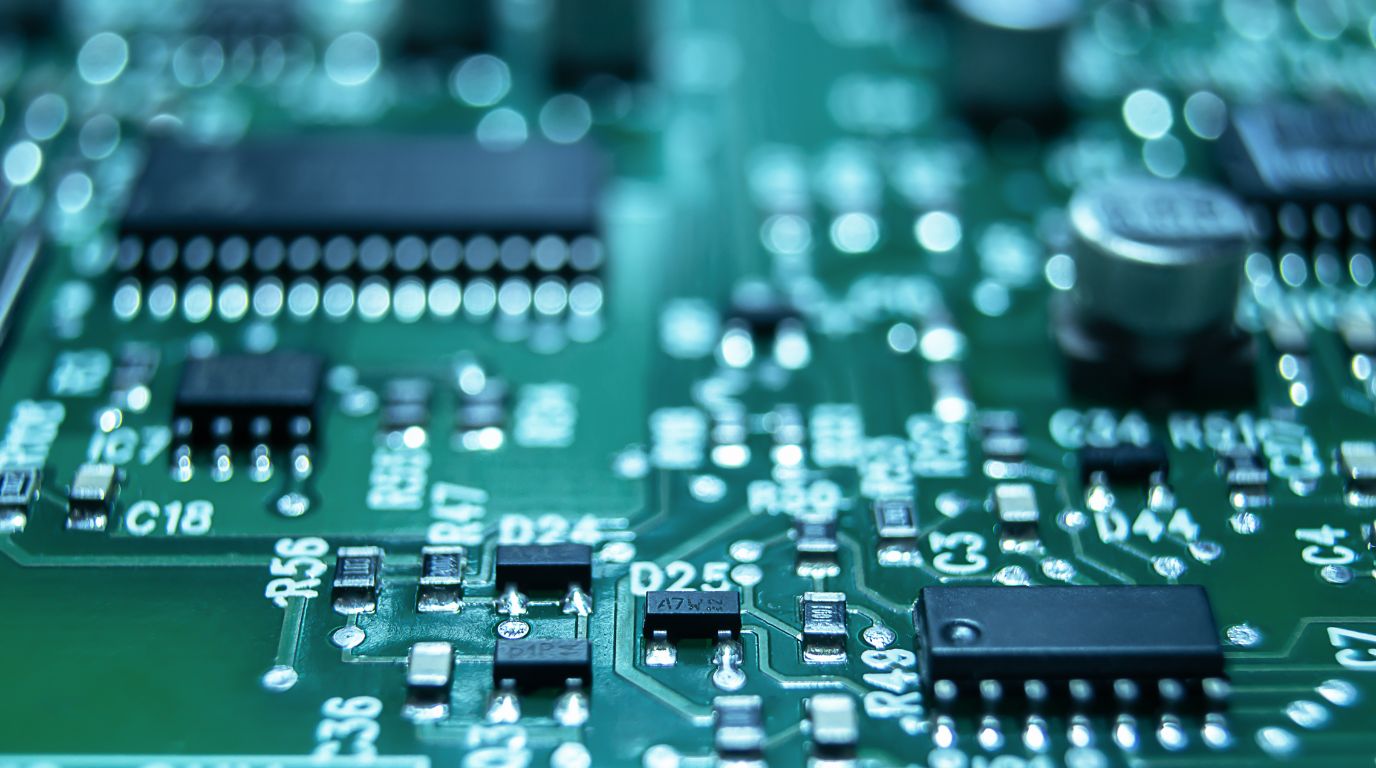
Integrated Passive Devices (IPDs) have become an important part of modern electronics by enabling manufacturers to design smaller, faster, and more reliable electronic products. Instead of using multiple individual passive components, an integrated passive device combines resistors, capacitors, inductors, and other passive elements into a single compact chip. This integration improves circuit performance, saves space, and supports the growing demand for miniaturized electronic devices across industries.
According to Expert Market Research, the global Integrated Passive Device Market is experiencing steady growth due to increasing demand for compact electronic components, 5G communication technologies, consumer electronics, and automotive applications. The company’s latest market analysis highlights the growing adoption of integrated passive devices as manufacturers continue developing smaller, more efficient, and high-performance electronic systems.
What Is an Integrated Passive Device?
An integrated passive device is a semiconductor-based component that combines multiple passive electronic elements onto a single substrate. Unlike traditional circuit boards that require separate resistors, capacitors, and inductors, an IPD integrates these components into one package.
This compact design helps reduce the size of electronic circuits while improving electrical performance and manufacturing efficiency. Integrated passive devices are commonly used in smartphones, wearable devices, automotive electronics, medical equipment, and wireless communication systems.
How Does an Integrated Passive Device Work?
Integrated passive devices perform essential electrical functions such as filtering signals, storing electrical energy, controlling current flow, and reducing electronic interference. Engineers design these components using advanced semiconductor manufacturing processes that place multiple passive elements onto a single silicon or glass substrate.
When incorporated into an electronic circuit, the integrated passive device replaces several discrete components, simplifying circuit design and improving signal quality. This approach also reduces assembly time and increases manufacturing consistency.
Key Benefits of Integrated Passive Devices
Compact Design
One of the biggest advantages of integrated passive devices is space savings. Combining multiple passive components into one package allows manufacturers to build thinner and lighter electronic products without sacrificing performance.
Improved Electrical Performance
Integrated designs reduce signal loss and electrical interference. This leads to better circuit reliability, improved power efficiency, and higher operating speeds for electronic devices.
Lower Manufacturing Complexity
Using fewer individual components simplifies circuit assembly and reduces production costs. Manufacturers also benefit from improved quality control because there are fewer solder joints and connection points.
Higher Reliability
Integrated passive devices contain fewer mechanical connections than traditional circuit designs, reducing the possibility of component failure during long-term operation.
Where Are Integrated Passive Devices Used?
Integrated passive devices are widely used in smartphones, tablets, wearable electronics, networking equipment, automotive systems, and industrial automation. Their compact design makes them especially valuable in products where space is limited.
The telecommunications industry relies on IPDs to support high-frequency applications such as 5G infrastructure, Wi-Fi modules, GPS systems, and radio frequency (RF) communication devices.
Modern medical equipment also benefits from miniaturized electronic components. Devices used alongside Blood Warmers depend on reliable electronic circuits that ensure accurate monitoring, temperature control, and safe operation in clinical environments.
Factors Driving Industry Growth
The growing adoption of Internet of Things (IoT) devices, artificial intelligence, and connected electronics continues to increase demand for integrated passive devices. Manufacturers are investing in advanced semiconductor technologies that improve performance while reducing power consumption.
Electric vehicles, autonomous driving systems, and industrial automation are also creating new opportunities for compact electronic solutions. As electronic systems become more complex, integrated passive devices help engineers improve efficiency without increasing hardware size.
Advanced healthcare technologies are also supporting innovation. Research related to conditions such as Acute Ocular Pain increasingly relies on sophisticated diagnostic equipment that incorporates compact and highly reliable electronic components for accurate monitoring and medical analysis.
Future Trends
Future integrated passive devices are expected to become even smaller while supporting higher operating frequencies and lower power consumption. Continuous advances in semiconductor manufacturing will improve integration density and enhance overall device performance.
The expansion of 5G networks, edge computing, wearable healthcare devices, and smart consumer electronics will further increase demand for high-performance passive components. Manufacturers are also focusing on environmentally sustainable production methods and recyclable materials to reduce the environmental impact of electronic manufacturing.
Conclusion
Integrated passive devices have become a key technology in modern electronics by combining multiple passive components into a single compact solution. They improve circuit performance, reduce manufacturing complexity, save space, and increase product reliability across numerous industries. As electronic devices continue becoming smaller and more powerful, integrated passive devices will remain essential for supporting next-generation innovations in telecommunications, healthcare, automotive systems, and consumer electronics.
Author Bio
Lalit is a freelance content writer, blogger, and digital marketing professional who enjoys writing informative content on technology, electronics, healthcare, and business. He specializes in turning complex technical concepts into simple, engaging articles that help readers understand emerging technologies, industry trends, and practical innovations with confidence.