
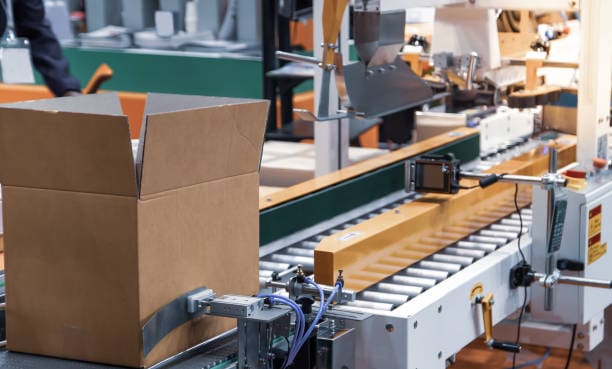
Shipping high-value electronics is one of the most demanding challenges in industrial logistics. These products can be small, lightweight, and still extremely fragile. They may include circuit boards, sensors, control modules, power supplies, industrial automation components, or precision instruments. Even minor damage can cause performance failure, quality rejection, or costly returns.
What makes electronics shipping especially difficult is that damage does not always show up immediately. A component can arrive looking fine, pass a quick visual inspection, and still fail later because of micro-cracks, vibration damage, or electrostatic discharge (ESD).
That’s why industrial packaging for electronics must do more than prevent visible damage. It must control movement, reduce vibration exposure, protect against shock, and in many cases, manage static risk as well.
In this article, we’ll break down how electronics shipments fail, what packaging layers provide the best protection, and how industrial operations build repeatable packaging systems that scale.
Why Electronics Packaging Requires a Different Strategy
Many industrial products can tolerate rough handling. Electronics cannot.
Electronics are vulnerable to:
- Shock damage from drops and impacts
- Vibration damage over long transit cycles
- Compression damage from stacking
- Static discharge that destroys sensitive components
- Surface damage that compromises connectors and housings
- Moisture exposure that creates corrosion or contamination
Because electronics can fail without visible damage, the packaging system must be engineered for prevention rather than reaction.
This is where industrial packaging solutions become essential. A complete system reduces risk across multiple threat types instead of relying on one material or one method.
The Most Common Causes of Electronics Shipping Failures
Electronics shipments usually fail for a few predictable reasons.
One major issue is internal movement. When components shift inside a carton, they collide with the packaging walls or with other items. Over time, vibration turns small movements into repeated impacts.
Another issue is insufficient shock absorption. If a carton drops, the component may experience a sudden impact force that cracks internal structures.
Compression is also a common cause of failure. Cartons get stacked. If the carton walls collapse, pressure transfers directly to the electronics inside.
Static discharge is another risk. Sensitive components can be destroyed by ESD during handling, packing, or unpacking.
Finally, packaging inconsistency causes variation. If one shipment is packed correctly and another is improvised, outcomes become unpredictable.
Why Cushioning Materials Must Be Engineered, Not Improvised
Many companies try to protect electronics using “extra void fill.” They add more bubble wrap, more paper, or more loose cushioning. This approach often fails because it does not control movement.
Electronics packaging needs immobilization. The component must not shift. It must not bounce. It must remain suspended in a protective structure that absorbs shock.
That is why cushioning materials for electronics often include foam-based systems. Foam provides controlled compression, predictable absorption, and stable positioning. It also reduces abrasion and surface scuffing.
Foam systems can be as simple as foam pads or as advanced as custom-cut inserts that cradle the component.
When cushioning is engineered instead of improvised, damage rates drop significantly.
Foam Inserts: The Most Reliable Protection for Sensitive Components
Foam inserts are one of the most effective packaging methods for high-value electronics because they combine immobilization and shock absorption.
A well-designed insert holds the component in a defined cavity. It prevents shifting. It reduces vibration movement. It absorbs shock when the carton is dropped or impacted.
Foam inserts also protect sensitive areas like connectors, displays, and housings. Instead of allowing those areas to contact the carton wall, the insert distributes pressure across stronger surfaces.
In high-volume B2B programs, foam inserts also improve efficiency. Packers work faster because they follow a repeatable process. Receiving teams also benefit because unpacking is cleaner and more organized.
Outer Packaging: Corrugated Strength and Carton Fit
Even the best internal protection fails if the outer packaging collapses.
Electronics shipments require strong corrugated cartons with consistent sizing. Oversized cartons create movement and increase the need for excessive cushioning. Undersized cartons compress inserts and reduce shock absorption space.
Carton strength matters because electronics shipments often move through small-parcel networks. Small-parcel shipping introduces conveyor impacts, drops, and heavy stacking.
A strong carton provides structural protection and helps maintain the internal cushioning system.
Consistent carton sizing also supports standardization. When carton sizes vary, inserts don’t fit correctly, and packers improvise.
Palletized Electronics Shipments: When Unit Loads Matter
Many industrial electronics shipments move in cartons, but high-volume orders often ship as palletized freight. Palletized shipping introduces different risks.
Palletized electronics loads face:
- Long-duration vibration
- Shifting pressure from other freight
- Forklift handling impacts
- Compression from stacking
Pallet stability becomes critical. If the pallet shifts, cartons can crush and internal protection can be compromised.
This is why pallet selection matters. Many industrial operations rely on wooden pallets for strength and cost-effectiveness. A strong pallet provides rigidity and supports consistent forklift handling.
However, some electronics programs benefit from plastic pallets. Plastic pallets provide consistent dimensions and resist moisture. They also reduce splinter risk, which matters in clean environments.
Both pallet types can work well, but they must be chosen based on the environment, load weight, and handling frequency.
When Wooden Crates Are Used for Electronics
Crating is not only for heavy machinery. Many electronics shipments use wooden crates when the product is high-value, oversized, or extremely sensitive.
Crates provide rigid external protection. They resist compression and reduce puncture risk. They also allow internal blocking and bracing systems that immobilize the product.
Crates are especially valuable for:
- Industrial control cabinets
- Large automation assemblies
- High-value instrumentation
- Sensitive electronics shipped internationally
- Equipment that must arrive ready to install
Crates also perform well in multi-modal shipping. When electronics travel through multiple transfers, crates reduce risk significantly.
Documentation and Long Materials: Why Tubes Matter in Electronics Programs
Electronics shipments often include documentation, installation manuals, wiring diagrams, prints, and technical drawings. These materials are important for installation and commissioning.
When documentation arrives bent or damaged, installation slows down. Receiving teams waste time. Technicians may lack critical information.
This is why many electronics programs use cardboard tubes and cores for long-format documentation and prints. Tubes prevent bending and crushing. Cores support the rolled material and prevent inward collapse.
Tubes also protect additional long materials, such as cable wraps, protective films, or rolled shielding materials used in installation.
Standardizing tube sizes improves repeatability and reduces damage.
When Military Spec Packaging Applies to Electronics Shipments
Many industrial electronics programs support defense, aerospace, and government procurement. In these environments, packaging must meet stricter requirements.
Military spec packaging includes controlled labeling, traceability, preservation methods, and durable protection requirements. It also emphasizes repeatability and compliance.
Electronics are especially common in military supply chains, and they require both physical protection and handling control.
Even for commercial programs, military packaging discipline can improve outcomes. It forces standardization, reduces improvisation, and improves packaging consistency.
Building a Repeatable Electronics Packaging System
The best electronics packaging programs treat packaging as a system.
A strong system includes:
Consistent corrugated cartons that match the product size. Engineered cushioning materials, often foam-based, that immobilize and absorb shock. Palletization strategies using wooden pallets or plastic pallets depending on the environment. Structural packaging such as wooden crates for high-value or oversized equipment. Controlled packaging for documentation using cardboard tubes and cores. Compliance methods aligned with military spec packaging when required.
When these layers work together, electronics shipments become reliable and predictable.
This is the core benefit of industrial packaging solutions: they create repeatable protection that scales.
Final Thoughts: Electronics Packaging Requires Structure, Not Guesswork
High-value electronics shipments are vulnerable to shock, vibration, compression, and static damage. These risks increase in industrial freight environments where handling is frequent and transit cycles are long.
Companies reduce risk by using engineered cushioning materials, especially foam inserts, combined with strong outer cartons and consistent sizing. Pallet stability matters for bulk shipments, with wooden pallets providing rigidity and plastic pallets offering moisture resistance and dimensional consistency. For high-value equipment, wooden crates provide structural protection and support immobilization. Cardboard tubes and cores protect critical documentation and long materials. When required, military spec packaging standards add compliance and repeatability.