
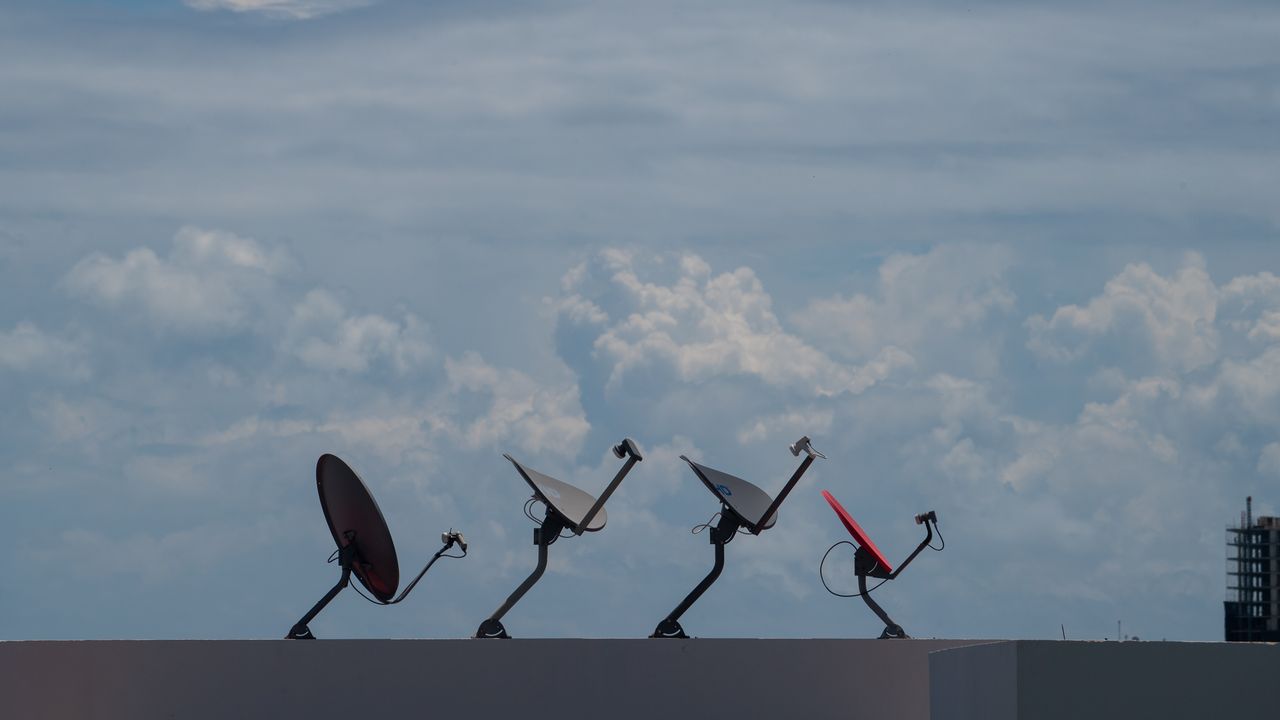
Choosing the right television antenna can make a significant difference to the quality and reliability of your free-to-air TV reception. Whether you’re setting up a new home, replacing an ageing antenna or trying to improve a weak signal, understanding the differences between indoor and outdoor options is an important first step.
For many households, TV Antenna Installation is the best way to achieve consistent reception, particularly in areas where signal strength varies, or multiple televisions are connected throughout the home. However, depending on where you live and how you watch television, an indoor antenna may also be suitable in certain situations.
This guide explains how both types of antennas work, along with their advantages, limitations and the factors to consider before deciding which option best suits your home.
How TV Antennas Receive Digital Signals
Television antennas receive radio frequency signals broadcast from transmission towers and convert them into digital television channels. The strength and quality of these signals depend on several factors, including:
- Distance from transmission towers
- Local terrain
- Surrounding buildings
- Trees and vegetation
- Weather conditions
- The quality of the antenna itself
Because every property is different, the ideal antenna setup will vary from one home to another.
What Is an Indoor TV Antenna?
An indoor TV antenna is a compact unit designed to sit inside the home, usually near the television. They are commonly placed:
- On entertainment units
- Near windows
- On shelves
- Behind televisions
- Mounted on internal walls
Most indoor antennas are designed for convenience and require minimal setup. They typically connect directly to the television using a coaxial cable and often include built-in signal amplifiers.
Because they are located indoors, these antennas are protected from weather and generally require little maintenance.
Advantages of Indoor TV Antennas
Indoor antennas offer several benefits for the right circumstances.
Easy Installation
Most indoor models simply plug into the television without requiring roof access or external mounting.
Lower Initial Cost
Indoor antennas are generally less expensive than outdoor systems, making them attractive for renters or temporary setups.
No Roof Work Required
There is no need for brackets, masts or external cabling, which simplifies installation considerably.
Weather Protection
Since the antenna remains inside the home, it is protected from rain, wind, hail and prolonged UV exposure.
Limitations of Indoor Antennas
While indoor antennas are convenient, they also have several disadvantages.
Reduced Signal Strength
Walls, roofs, insulation and surrounding buildings all reduce the strength of television signals before they reach the antenna.
Greater Interference
Electrical appliances inside the home can interfere with reception, including:
- Wi-Fi routers
- Microwave ovens
- Computers
- LED lighting
- Household electronics
Limited Range
Indoor antennas generally perform best when located relatively close to television transmission towers.
Homes in regional areas or locations with weaker signals may struggle to receive all available channels.
Placement Can Be Difficult
Finding the ideal position often involves trial and error, moving the antenna around the room until reception improves.
What Is an Outdoor TV Antenna?
Outdoor antennas are mounted on rooftops or external structures where they have a much clearer path to incoming television signals.
By being positioned higher above surrounding obstacles, outdoor antennas typically receive stronger and more consistent signals than indoor alternatives.
These systems usually include:
- A rooftop antenna
- Mounting mast
- External coaxial cable
- Roof brackets
- Wall entry point
- Internal outlets
Some installations may also include signal amplifiers where required.
Advantages of Outdoor TV Antennas
Outdoor antennas remain the preferred choice for many Australian homes because they provide several important advantages.
Better Reception
Height gives outdoor antennas access to stronger signals with fewer obstructions.
More Reliable Performance
Because they receive cleaner signals, outdoor systems are generally less affected by interference from household electronics.
Suitable for Larger Homes
Outdoor installations can distribute signals throughout multiple rooms without significantly reducing quality.
Better for Regional Areas
Properties located further from transmission towers often benefit from the additional signal strength provided by rooftop installations.
Long-Term Solution
Quality outdoor antennas are designed to provide many years of reliable service when properly maintained.
Limitations of Outdoor Antennas
Although they offer superior performance, outdoor antennas are not without drawbacks.
Higher Installation Cost
External mounting requires additional hardware and labour compared with indoor models.
Weather Exposure
Rain, wind, hail and sunlight gradually wear outdoor equipment over time.
Periodic Maintenance
Although maintenance requirements are generally low, inspections may occasionally be needed to identify ageing cables or loose mounting hardware.
Which Homes Benefit Most From Indoor Antennas?
Indoor antennas are often suitable for:
- Apartments
- Rental properties
- Small homes
- Temporary accommodation
- Homes located close to transmission towers
If local signal strength is already excellent, an indoor antenna may provide perfectly acceptable reception for everyday viewing.
However, results vary considerably depending on the construction of the building and surrounding environment.
Which Homes Benefit Most From Outdoor Antennas?
Outdoor antennas are usually recommended for:
- Family homes
- Double-storey houses
- Rural properties
- Homes with multiple televisions
- Areas with weaker signals
- Locations surrounded by tall buildings or trees
Because they receive a cleaner signal, rooftop antennas generally provide more stable long-term performance.
Factors That Affect Reception
Choosing between indoor and outdoor antennas isn’t simply about convenience.
Reception quality also depends on:
Location
The further a property is from transmission towers, the more important antenna placement becomes.
Terrain
Hills, valleys and elevated landforms can partially block television signals.
Surrounding Buildings
High-rise developments may reflect or obstruct incoming signals.
Vegetation
Large trees and dense foliage can weaken signal strength, particularly after rain.
Building Materials
Metal roofing, insulation foil and concrete walls may reduce signal strength reaching indoor antennas.
Considering all these factors helps determine which type of antenna is most appropriate.
Can You Upgrade Later?
Many homeowners begin with an indoor antenna before upgrading if reception proves unreliable.
Fortunately, switching to an outdoor system is generally straightforward if better performance is needed.
A professionally planned installation can often utilise existing internal cabling while providing significantly stronger reception throughout the home.
This flexibility allows homeowners to start with a simple solution while keeping future upgrades open if circumstances change.
Choosing the Right Option
There is no universal answer because every property has different reception conditions.
If your home is located close to transmission towers with minimal obstructions, an indoor antenna may provide satisfactory results.
However, households wanting consistent reception across multiple televisions, particularly in suburban or regional areas, often find outdoor systems deliver greater reliability over the long term.
For properties experiencing frequent signal dropouts, professional TV Antenna Installation can help ensure the antenna is correctly selected, positioned and aligned for local conditions, reducing the likelihood of future reception problems.
Final Thoughts
Both indoor and outdoor TV antennas have their place, and the right choice depends on your property’s location, surrounding environment and viewing requirements.
Indoor antennas offer convenience, affordability and easy setup, making them suitable for some homes with strong local signals. Outdoor antennas, on the other hand, generally provide superior reception, greater reliability and better performance across multiple televisions, particularly where signal strength is less predictable.
Understanding the strengths and limitations of each option allows homeowners to make informed decisions and enjoy clearer, more dependable free-to-air television for years to come.