
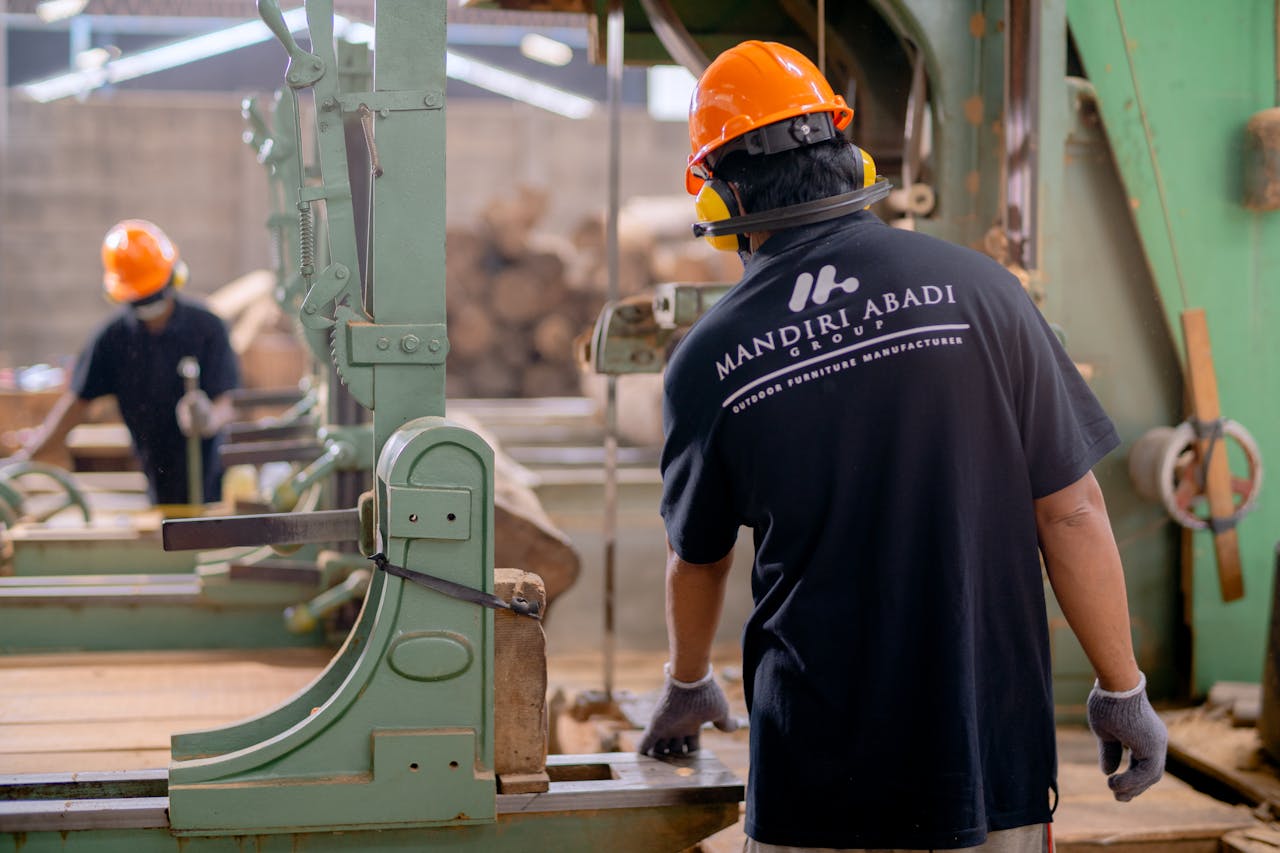
Manufacturing errors can be costly, disruptive, and damaging to a company’s reputation. Even small mistakes in production can lead to wasted materials, delayed timelines, and dissatisfied customers. As manufacturing processes become more complex, the margin for error often shrinks. Preventing errors requires more than reactive fixes after problems occur. A proactive approach focused on systems, training, and consistency helps reduce risk across the entire operation.
Standardize Processes and Document Procedures
One of the most effective ways to reduce manufacturing errors is through standardization. When procedures vary between shifts, teams, or locations, inconsistencies are more likely to occur. Clearly documented processes ensure that every employee follows the same steps for each task. This consistency reduces confusion and limits the chance of errors caused by guesswork or assumptions.
Standard operating procedures should be detailed, accessible, and regularly updated. Visual aids, checklists, and step‑by‑step instructions help reinforce expectations. Documentation also supports training and onboarding efforts. Standardization creates a reliable foundation for quality control.
Invest in Proper Employee Training
Well‑trained employees are far less likely to make costly mistakes. Training should go beyond basic task instruction and include an understanding of why processes matter. When employees understand the impact of their work, they are more attentive to detail. Ongoing training ensures skills remain sharp as processes evolve.
Cross‑training employees also helps prevent errors during staffing changes or absences. Workers who understand multiple roles can identify issues before they escalate. Training programs should be consistent and measurable. Investing in people directly improves production accuracy.
Use Quality Control at Multiple Stages
Relying on final inspections alone increases the risk of large‑scale defects. Implementing quality checks at multiple stages helps catch issues early. Early detection reduces waste and prevents defective products from advancing further in the process. This layered approach minimizes costly rework.
Quality control should be integrated into daily workflows rather than treated as a separate function. Clear criteria and accountability are essential. Employees should know what to look for and when to escalate concerns. Continuous monitoring supports consistent output.
Select Reliable Components and Materials
Errors often originate from inconsistent or low‑quality components. Using reliable parts reduces the likelihood of failures during assembly or operation. Suppliers should be evaluated based on quality, consistency, and reliability. Clear specifications help prevent mismatches or improper usage.
For example, components like a shaft collar must meet precise tolerances to function correctly within an assembly. Using the wrong size or material can lead to misalignment or equipment failure. Proper sourcing and verification reduce these risks. Material quality directly impacts production accuracy.
Improve Communication Across Teams
Poor communication is a common source of manufacturing errors. When teams operate in silos, important details can be missed. Clear communication channels ensure information flows smoothly between departments. This includes design, production, quality, and maintenance teams.
Regular meetings and shared documentation help align expectations. Clear handoffs between shifts prevent misunderstandings. Encouraging questions and feedback reduces assumptions. Strong communication supports consistency.
Implement Preventive Maintenance Programs
Equipment failures often cause unexpected production errors. Preventive maintenance reduces downtime and improves reliability. Regular inspections identify wear and potential issues before they cause breakdowns. Maintenance schedules should be planned and tracked consistently.
Well‑maintained equipment performs more predictably. Predictability reduces variability in output. Maintenance teams should coordinate closely with production staff. Preventive care protects both equipment and product quality.
Use Automation and Error‑Proofing Where Possible
Automation can significantly reduce human error when implemented correctly. Automated systems perform repetitive tasks with high precision. Error‑proofing mechanisms such as sensors, guides, and alarms help prevent incorrect assembly. These systems act as safeguards rather than replacements for skilled workers.
Automation should be designed to support operators, not complicate processes. Clear alerts and fail‑safes help catch mistakes immediately. Technology enhances consistency when aligned with human oversight. Smart automation improves reliability.
Encourage a Culture of Accountability and Improvement
Preventing errors requires a workplace culture that values accountability. Employees should feel responsible for quality without fear of blame. Encouraging reporting of mistakes helps identify systemic issues. Transparency leads to improvement.
Continuous improvement programs empower teams to suggest changes. Small adjustments often prevent recurring issues. Leadership support is essential for sustaining these efforts. A proactive culture reduces long‑term risk.
Analyze Errors and Address Root Causes
When errors occur, addressing symptoms is not enough. Root cause analysis identifies underlying problems. Understanding why an error happened prevents repetition. Data‑driven analysis supports informed decisions.
Tracking error trends reveals patterns. These insights guide process improvements. Corrective actions should be documented and reviewed. Learning from mistakes strengthens operations.
Conclusion
Preventing errors during the manufacturing process requires structure, consistency, and commitment. Standardized procedures, proper training, quality control, and reliable components all play essential roles. Strong communication, preventive maintenance, and automation further reduce risk. A culture focused on accountability and improvement supports long‑term success. With proactive strategies in place, companies can improve efficiency, protect quality, and minimize costly mistakes.