
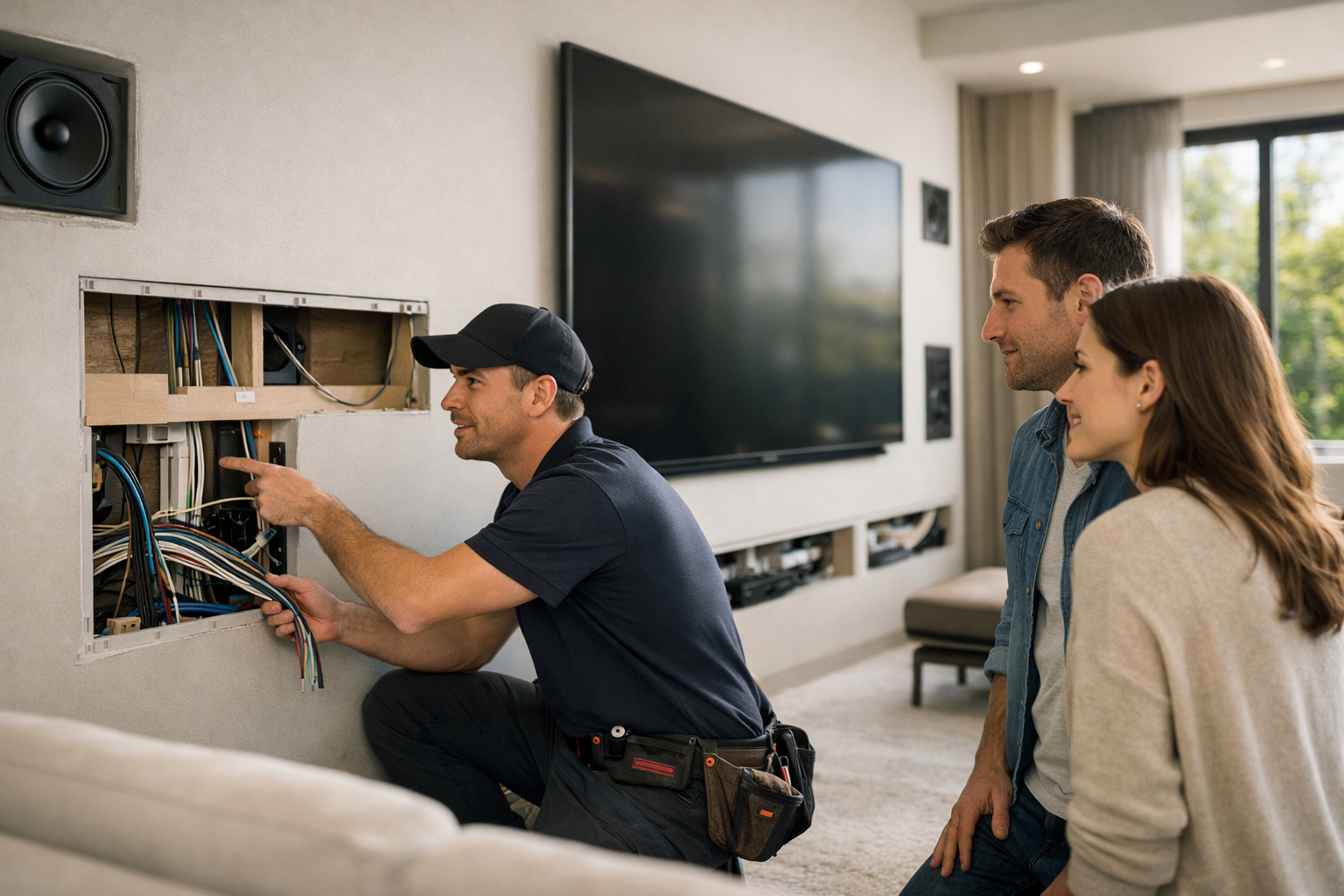
A home theatre system depends not only on speakers or screens but also on the wiring behind it. Many people ignore cables and hidden connections, but they play a major role in sound and video quality. Poor wiring can reduce clarity, create signal loss, or cause delays in audio and video sync.
Home Theatre Solutions in Dubai are often planned with careful attention to wiring structure because modern homes use multiple devices that need stable connections. Good wiring helps in smooth signal flow between projector, speakers, receivers, and control systems. Without proper planning, even high-quality devices may not perform well.
Understanding wiring basics helps homeowners make better decisions during installation and upgrades.
Why Wiring Matters in Home Theatre Systems
Wiring is like the nervous system of a home theatre setup. It carries signals between all components. If the wiring is weak or poorly arranged, the system cannot deliver its full performance.
When cables are too long or low quality, signals can weaken. This leads to reduced sound clarity or distorted images. Proper wiring ensures that audio reaches speakers at the right time and video stays sharp on the screen.
Must read this: How AV Automation Improves Conference Room Efficiency in Dubai
Good wiring also reduces electrical interference from other home devices. This is important in modern homes where many electronic systems run at the same time, such as Wi-Fi routers, lighting controls, and air conditioners.
Cable Types and Signal Quality
Different cables serve different purposes in a home theatre setup. HDMI cables carry both audio and video signals. Speaker wires handle sound output. Optical cables are used for clean digital audio transfer.
Using the correct cable type improves system performance. For example, low-quality HDMI cables may not support high-resolution video, leading to blurry or unstable visuals.
Shielded cables are also important because they reduce external interference. This helps maintain stable sound without buzzing or distortion. In long cable runs, signal boosters may be required to maintain quality.
Choosing the right cables is a simple step, but it makes a big difference in overall experience.
Layout Planning and Hidden Wiring Design
Planning the layout before installation is very important. Wiring should be placed in a way that avoids clutter and damage. Many modern homes use hidden wiring systems behind walls or ceilings for a clean look.
Proper layout planning also improves safety. Loose or exposed cables can become a risk over time. Organizing wires in channels or conduits keeps everything secure and easy to maintain.
It is also important to separate power cables from signal cables. This reduces interference and keeps audio and video signals stable. A good layout plan considers future upgrades as well, so new devices can be added without major changes.
Must read this: How AV Automation Improves Conference Room Efficiency in Dubai
Common Wiring Mistakes in Home Theatre Setup
One common mistake is using low-quality cables to save cost. While this may seem small, it often leads to poor performance and frequent issues later.
Another mistake is ignoring cable length. Very long cables without proper support can weaken signals. On the other hand, overly tight cables can get damaged easily.
Mixing power and signal cables together is also a frequent error. This creates interference that affects both sound and picture quality.
Improper labeling of cables can make maintenance difficult. When systems become complex, identifying connections without labels takes more time and increases confusion during repairs.
Importance of Proper Installation Planning
A well-planned wiring system ensures that all devices work together smoothly. It also helps in reducing long-term maintenance problems. Careful planning allows better placement of speakers, screens, and control units without worrying about cable limitations.
In many modern homes, wiring is designed to support smart systems, where lighting, audio, and video are controlled together. This requires structured wiring from the beginning to avoid future issues.
Good planning also improves flexibility. Homeowners can upgrade their system or add new devices without changing the entire setup.
Must read this: How AV Automation Improves Conference Room Efficiency in Dubai
Final Notes on System Performance
The performance of a home theatre depends heavily on how well the wiring is designed and installed. Even the best audio and video equipment will not perform properly without stable and clean signal flow.
Understanding cable quality, layout planning, and common installation mistakes helps in building a more reliable system. This makes the overall viewing and listening experience more consistent and enjoyable.
In most modern setups, Home Theatre Solutions in Dubai focus on structured wiring systems that support high-quality audio, 4K or 8K video, and smart home integration. Proper wiring ensures that all components work together without interruption and deliver stable performance over time.