
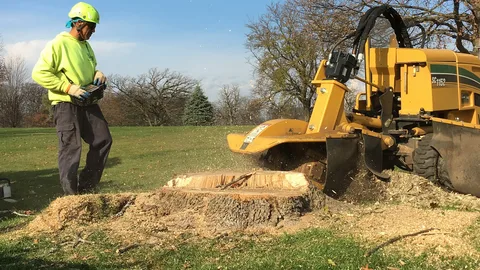
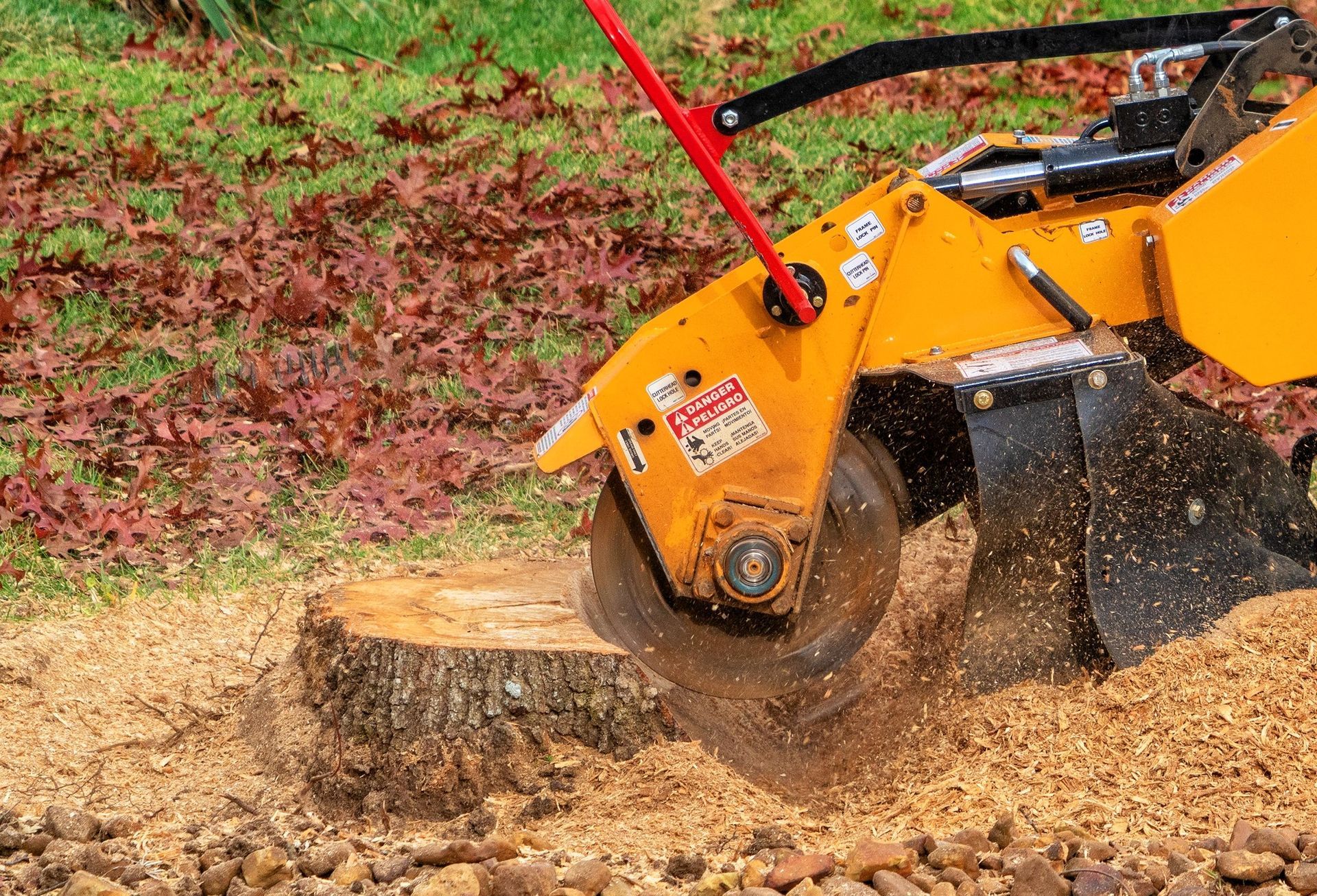
Weather may seem like a small factor when you’re planning stump grinding, but in reality, it plays one of the biggest roles in how safe, efficient and effective the process is. Moisture, temperature, wind and ground stability all affect how well a stump grinder performs and how safely the operator can work. At Tree Sol, we assess weather conditions before every stump removal job because the wrong conditions can slow the work, damage equipment or even create serious safety risks.
Whether you’re dealing with rain, frost or freezing temperatures, understanding the weather impact on stump grinding helps you choose the right time for the job and avoid unnecessary delays. This guide explains how wet and cold weather influence stump grinding, what challenges can occur, how ground conditions change, and how to keep the stump grinding process safe in all seasons.
1. Wet Weather and Its Impact on Stump Grinding
Wet weather is one of the most common factors affecting stump grinding. Even a small amount of rainfall can change the soil structure, making the job more complicated. Let’s explore the major stump grinding challenges in wet weather.
1.1 Wet Ground and Muddy Soil Challenges
When the soil becomes wet or muddy, it becomes unstable and harder to work on. Machines need firm ground to stay balanced, but stump grinding in wet weather often means:
- The stump grinder may lose traction
- Wheels can sink into soft soil
- Machines struggle to stay level
- Operators must move more slowly
These unstable ground conditions for stump grinding increase the chance of sudden movements that can affect accuracy and safety.
In addition, rain softens the soil around the stump, which can cause the stump to shift or tilt slightly while grinding. This may not look serious, but it can make grinding less predictable and require more passes to reach the desired depth.
1.2 Safety Risks in Rainy Conditions
Heavy rain creates several hazards during the stump removal process:
- Slippery surfaces increase the chance of falling
- Wet roots and bark become more difficult to grip
- Visibility drops, especially when wood chips are flying
- Machines may skid or slide
This is why stump removal in bad weather isn’t just inconvenient—it can be unsafe.
At Tree Sol, operators are trained to work cautiously in wet weather. If the ground is too unstable or waterlogged, we recommend postponing the job for better conditions.
1.3 Equipment Performance Problems in Wet Weather
Wet soil affects machinery differently than dry conditions. For example:
- Mud can clog the cutter wheel
- Wood chips become heavy and stick to the ground
- Engines work harder due to extra resistance
- Wet debris can jam moving parts
This slows the process and increases maintenance time during the job. Operators may need to stop frequently to clear mud and debris from the grinder’s blade and wheels.
2. Cold Weather and Frozen Ground Conditions
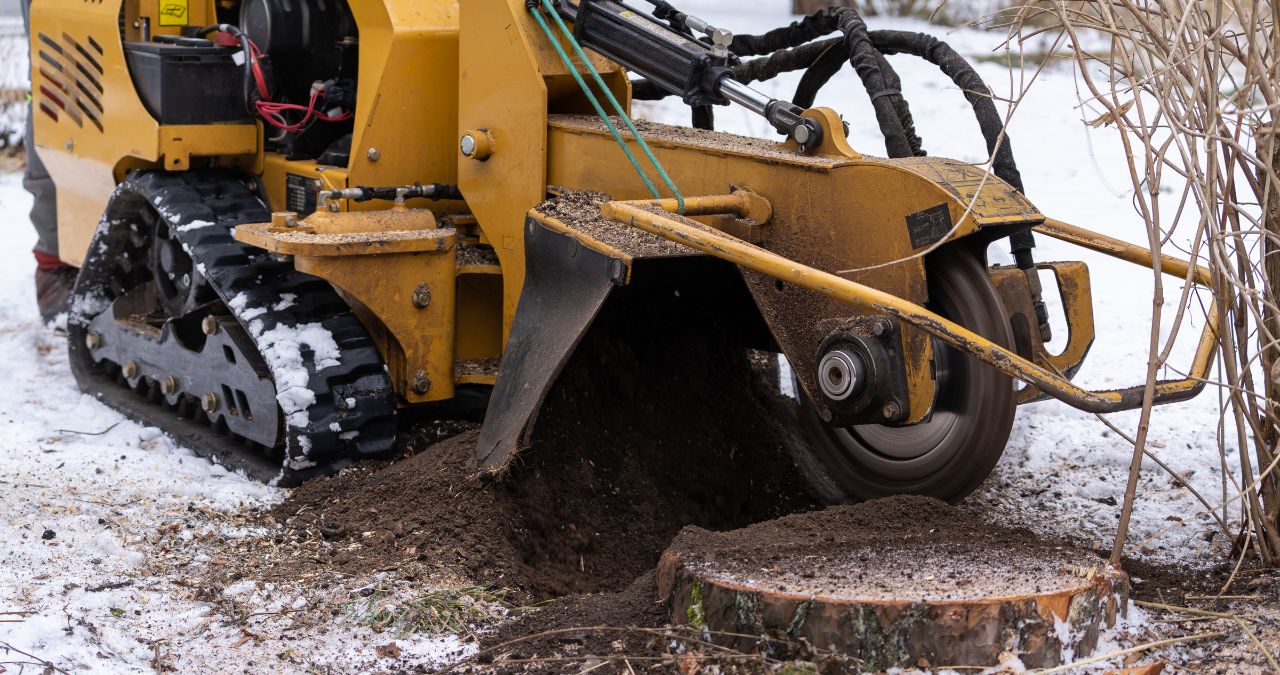
Cold weather introduces another set of complications. When temperatures drop, moisture in the soil starts to freeze. Frozen or partially frozen ground significantly affects the grinding process.
2.1 Frozen Ground and Hard Soil Issues
Frozen soil behaves like rock. When dealing with stump grinding in cold weather, the top surface often freezes first, forming a hard barrier. This makes it difficult for the grinder to penetrate.
Some common issues include:
- Cutter wheels dull faster
- Grinding takes longer
- Soil breaks off in sharp chunks
- Machines vibrate more on hard surfaces
These stump grinding winter conditions create more strain on both equipment and operators. Grinding through frozen ground is possible, but it requires more time, more power and more care.
2.2 How Low Temperatures Affect Machinery
Cold temperatures affect not only the soil but the machinery itself. Stump grinders operate with hydraulic fluid and moving metal parts, which respond poorly to freezing weather.
Here’s how cold weather affects machines:
- Hydraulic fluids thicken
- Engines warm up slowly
- Metal becomes brittle
- Bearings and moving joints tighten
- Batteries drain faster
This means even if the stump is grindable, the machine may take longer to prepare and operate safely.
2.3 When Stump Grinding Should Be Postponed
While stump grinding in cold weather is possible, there are situations where waiting is safer:
- Soil is frozen more than 2 inches deep
- Frost or ice covers the stump
- The area is slippery or icy
- Machines cannot gain traction
3. Weather Effects on Stump Grinding Safety
Safety is always the top priority in any stump removal project. Weather—whether cold, wet or windy—plays a major role in how safely the job can be done.
3.1 How Weather Impacts Operator Safety
Operators face several risks in poor weather conditions:
- Slips and falls due to wet or icy ground
- Reduced visibility during rain or fog
- Mud or debris flying unpredictably
- Unstable soil causing the stump to shift
- Noise levels increasing during high winds
Proper protective gear, non-slip boots and weather protection gear help—but some conditions are simply unsafe.
3.2 Environmental Hazards Caused by Weather
The environment around the stump is just as important as the stump itself. Poor weather conditions can create:
- Standing water that hides holes
- Mud that causes machines to sink
- Frozen roots that resist grinding
- Frost that makes soil hard to cut
Working around waterlogged or frozen ground increases the risk of machine tipping or sliding.
3.3 Importance of Assessing Weather Conditions
Before any job, Tree Sol checks:
- Soil moisture
- Weather forecast
- Temperature trends
- Ground firmness
- Surrounding obstacles
This assessment ensures that grinding is safe, efficient and won’t cause damage.
4. Best Weather for Safe and Effective Stump Grinding
Ideal stump grinding conditions are simple:
- Dry soil
- Mild temperatures
- No frost
- Minimal wind
- Clear visibility
Dry ground keeps the machine steady, reduces blade strain and allows for cleaner, faster grinding. Mild weather also ensures that roots are easier to break down.
Light rain or slightly cold temperatures are manageable, but extreme weather should always be avoided.
5. Tips for Homeowners Before Stump Grinding in Bad Weather
If you’re unsure whether the weather is right for stump grinding, here are simple steps to help you prepare.
5.1 Prepare the Area
Before the team arrives, you can:
- Clear loose leaves, snow or debris
- Remove stones near the stump
- Check for standing water
- Create an easy access path
This preparation makes the job smoother, especially during changing weather.
5.2 Ask the Right Questions
When booking stump grinding during questionable weather, ask your contractor:
- Is wet soil going to affect the job?
- Will cold temperatures slow the process?
- Can the ground handle the machine?
- What precautions do you take?
5.3 Why Professional Assessment Matters
Weather can change quickly, especially in autumn and winter. Professional stump grinding teams are trained to:
- Read soil behavior
- Adjust machine pressure
- Handle slippery or uneven terrain
- Determine safe stopping points
- Avoid property damage
This ensures the stump is removed safely, regardless of the season.
6. Why Hiring a Professional Matters in Bad Weather
Stump grinding looks simple—but it becomes complex in poor weather. Professionals understand how weather affects stump grinding and use advanced machinery that can adapt to difficult conditions.
We provides:
- Skilled operators
- Safety-first grinding techniques
- Full weather and soil assessment
- Proper blade and machine adjustment
- Efficient and safe stump removal
DIY stump grinding in bad weather can be unsafe and ineffective. Professionals know when to continue and when to postpone.
Conclusion
Weather plays a huge role in stump grinding. Stump grinding in wet weather leads to mud, unstable ground and machine clogging. Stump grinding in cold weather introduces frozen soil, dull blades and longer grinding time. These stump grinding challenges, combined with changing ground conditions for stump grinding, show why professional assessment matters.
Tree Sol prioritise safety, efficiency and care. Whether the weather is cold, wet or unpredictable, we ensure the safe stump grinding process is followed every time.
If you need stump grinding during difficult seasons, Tree Sol is here to guide you, assess your soil and complete the work safely and professionally.