
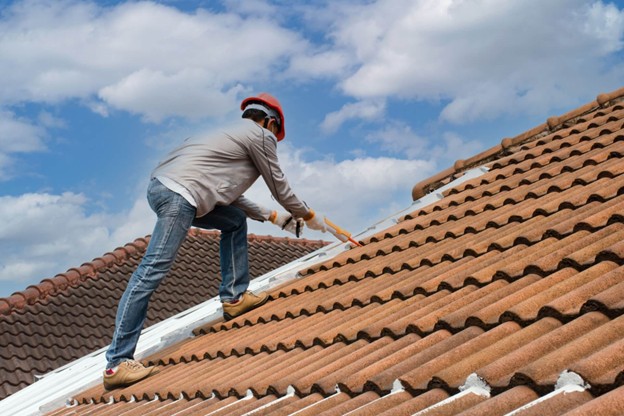
A roof is one of the most important structural components of any building because it provides protection against outside elements throughout the year. No matter how strong the materials may seem, constant exposure to weather can slowly weaken the system and reduce its efficiency. Rain, snow, heat, humidity, and wind all place different kinds of pressure on roofing, which directly affects durability, insulation, and long-term repair costs. Homeowners often focus on the visible appearance of a roof, but its actual performance is heavily determined by how well it handles changing climate conditions. Understanding how weather influences roofing can help property owners take preventive steps before serious damage occurs.
The Impact of Intense Sunlight and Heat on Roofing
In regions where summers are long and temperatures remain high, roofing materials are constantly exposed to ultraviolet rays and heat expansion. Prolonged sunlight causes shingles, tiles, and membranes to dry out over time. As the protective oils inside roofing materials evaporate, surfaces begin to crack, curl, and lose flexibility. This process weakens the roof’s outer layer and makes it less resistant to moisture infiltration.
Heat also creates a repeated cycle of expansion during the day and contraction at night. This daily movement may seem minor, but over months and years it can loosen fasteners, create gaps around flashing, and place stress on joints. Dark-colored roofing surfaces absorb more heat, which can accelerate aging and increase indoor cooling costs. Without proper attic ventilation, trapped heat beneath the roof further speeds up wear and tear, reducing the expected lifespan of the entire system.
Heavy Rain and Moisture Exposure Create Hidden Roofing Problems
Rain is one of the most common weather elements that affects roofing performance. While roofs are designed to shed water, repeated heavy downpours test every weak point in the structure. Damaged shingles, clogged gutters, or deteriorated sealants can allow water to seep underneath the surface. Once moisture enters the underlayment or decking, rot and mold begin to develop.
One of the major concerns with long-term moisture exposure is that water damage often remains hidden until stains appear on ceilings or walls. By that point, the internal roofing structure may already be compromised. Moisture can also weaken insulation, causing energy inefficiency and making indoor spaces harder to cool or heat. Flat roofing systems are especially vulnerable because standing water can remain in low spots after storms, increasing the chance of leaks and membrane breakdown.
Snow and Ice Add Excessive Weight to Roofing Structures
Cold climates introduce a different set of roofing challenges. Snow accumulation adds substantial weight to the roof, especially after repeated storms. If the roofing structure is older or already weakened, the pressure from heavy snow can strain rafters and decking. In severe situations, sagging or structural instability may develop.
Ice is equally damaging because it creates ice dams along roof edges. When daytime warmth melts upper snow layers and nighttime temperatures refreeze the water near gutters, a frozen barrier forms. This barrier prevents proper drainage and forces water backward beneath shingles. As a result, roofing materials become saturated, and leaks start forming inside the property. Freeze-thaw cycles also widen small cracks in tiles or shingles, turning minor imperfections into major vulnerabilities.
Strong Winds Can Tear Apart Roofing Components
Wind is often underestimated because it does not always leave immediate visible water damage, yet it can seriously impact roofing integrity. Powerful gusts can lift shingles from their adhesive strips, loosen flashing, and detach ridge caps. Once one section of the roof is disturbed, surrounding areas become more exposed and easier for future storms to damage.
Wind-driven debris such as branches, loose objects, or airborne dirt can strike roofing surfaces and puncture protective layers. Even moderate but consistent wind pressure can shift roofing materials over time, especially if installation was not done correctly. Coastal and storm-prone areas face a greater risk because wind often comes with rain, creating a combination of uplift and moisture penetration that rapidly reduces roof performance.
Humidity Encourages Mold, Algae, and Material Deterioration
Humidity may not seem as aggressive as storms or snow, but it plays a long-term role in weakening roofing systems. Constant moisture in the air allows algae, moss, and mildew to grow on shaded roof sections. These organisms trap water against the roofing surface, keeping materials wet for extended periods and encouraging decay.
Wooden roof components are especially sensitive to humid conditions because they absorb moisture and may begin to warp. Metal roofing can also face corrosion if protective coatings start to wear away. In poorly ventilated attics, humid air condenses under the roof deck and causes hidden mold growth. This not only damages the roofing structure but can also affect indoor air quality and insulation performance.
Hailstorms Cause Sudden and Severe Roofing Damage
Among all weather events, hail is one of the most destructive because the impact is immediate. Hailstones strike roofing surfaces with force, causing dents, fractures, and granule loss. Asphalt shingles may appear intact from a distance, but the protective granules can be knocked off, exposing the underlying material to UV damage and water absorption.
Metal panels may dent, clay tiles may crack, and skylights can become vulnerable after a hailstorm. The dangerous part is that hail damage is not always obvious without close inspection. Small impact points often turn into leaks months later when rainwater begins penetrating the weakened spots. This is why roofing inspections after severe hail are essential even when there is no visible ceiling leak inside the home.
Seasonal Temperature Changes Speed Up Roofing Aging
One weather factor that affects roofing in nearly every region is the constant shift between hot and cold seasons. Materials naturally expand in warm conditions and contract when temperatures drop. Over time, this movement stresses nails, adhesives, membranes, and seams. Even premium roofing products can suffer fatigue if exposed to continuous seasonal fluctuations.
Sealants around vents, chimneys, and flashing are particularly vulnerable because they are designed to remain flexible. When they repeatedly harden and soften, they begin to crack. These small failures create openings where rain and insects can enter. Seasonal stress is one of the biggest reasons why roofs that look acceptable from the ground may still have serious performance issues developing beneath the surface.
Proper Maintenance Helps Roofing Withstand Harsh Weather
Since weather conditions cannot be controlled, the best defense is regular maintenance and timely inspections. Professional roof checks before and after extreme seasons help identify loose shingles, blocked drainage systems, cracked flashing, and early moisture damage. Cleaning gutters allows rainwater to flow away properly, while attic ventilation reduces heat and humidity buildup from below.
Choosing materials suited for the local climate also makes a major difference in roofing longevity. Impact-resistant shingles perform better in hail zones, reflective materials reduce heat absorption, and waterproof membranes improve storm resistance. Reinforcing vulnerable sections before the next season arrives is far less expensive than emergency repairs after weather damage spreads.
For many homeowners, finding qualified roofing help quickly can be difficult when weather damage strikes unexpectedly. Find Local Roofers is a nationwide connection service that helps homeowners and businesses connect with experienced local roofing contractors for a wide range of roofing services. Whether someone needs roof repair, roof replacement, inspections, or a new roof installation, the service makes it simple to connect with professionals serving their area. The network includes contractors experienced in storm damage, emergency roof repair, asphalt roofing, metal roofing, and flat roofing systems, allowing customers to speak directly with a local roofing professional who understands the right solution for their climate-related roofing concerns.
Conclusion
Every climate condition leaves its mark on a roof, whether through slow aging or sudden storm destruction. Sun dries out surfaces, rain introduces moisture, snow adds weight, wind loosens components, and humidity promotes decay. Over the years, these environmental forces gradually determine how efficiently roofing can continue protecting the building. A roof that is ignored will always wear out faster under changing weather, while a properly maintained system can resist many of these natural threats. Understanding the relationship between weather and roofing performance allows homeowners to make smarter repair decisions, extend roof life, and avoid costly structural damage in the future.