
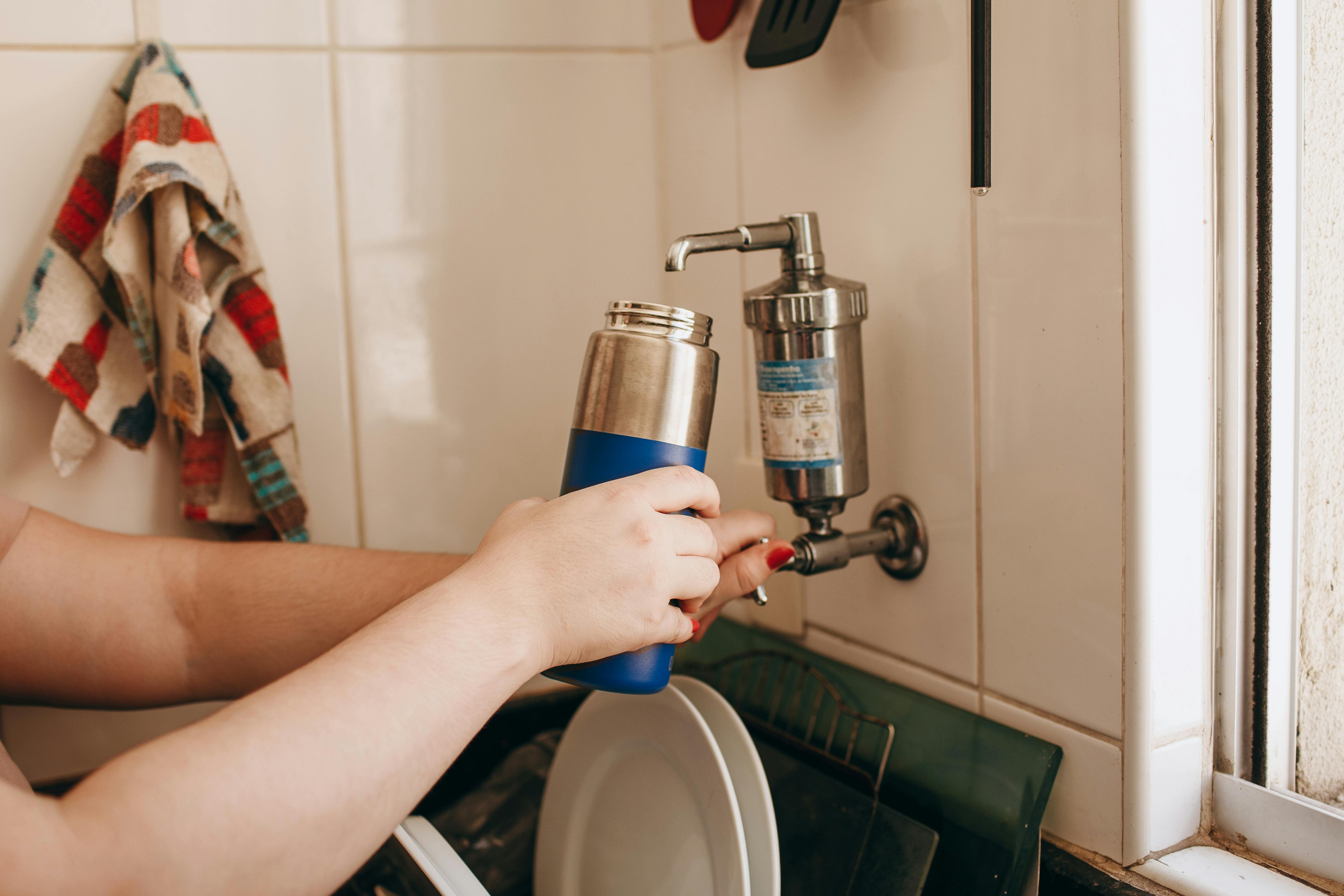
Clean drinking water plays a vital role in everyday life, yet the quality of tap water can vary significantly based on location, infrastructure, and environmental factors. While municipal treatment processes remove many contaminants, they do not always address issues like unpleasant taste, odor, or trace impurities. That is where modern filtration solutions come into focus. By improving water quality at the point of use, filtration systems help households enjoy better-tasting water while supporting long-term health and safety.
Enhancing the Taste and Smell of Drinking Water
One of the most noticeable benefits of a water filtration solution is the improvement in taste and odor. Tap water often carries chlorine or chloramine, chemicals added during municipal treatment to disinfect water supplies. While effective for killing bacteria, these substances can leave behind an unpleasant chemical taste or smell.
Filtration systems that use activated carbon are especially effective at removing chlorine, sediment, and organic compounds that affect flavor. Once these elements are filtered out, water tastes fresher and cleaner, making it more enjoyable to drink. This improved taste often encourages people to drink more water throughout the day, which is beneficial for hydration and overall wellness.
Better-tasting water also enhances the quality of beverages and home-cooked meals. Coffee, tea, soups, and even ice cubes benefit from cleaner water, allowing natural flavors to come through without interference from chemical or metallic aftertastes.
Improving Water Safety by Reducing Contaminants
Beyond taste, filtration systems are designed to improve water safety by targeting a range of contaminants that may be present in household water. Depending on the technology used, a water filtration system can reduce or remove substances such as heavy metals, pesticides, industrial chemicals, and certain microorganisms.
Old plumbing systems may introduce lead or copper into drinking water, particularly in older homes. Long-term exposure to these metals can pose serious health risks. Filtration systems equipped with specialized media or reverse osmosis technology can significantly reduce these contaminants before the water reaches the tap.
Additionally, some regions struggle with naturally occurring impurities such as arsenic or excess minerals. Filtration acts as an added layer of protection, helping ensure that water used for drinking and cooking meets a higher safety standard even after municipal treatment.
Supporting Better Long-Term Health
Consistently drinking cleaner water can have a positive impact on overall health. Reducing exposure to contaminants helps lower the risk of digestive issues, skin irritation, and other health concerns linked to poor water quality. For individuals with sensitive immune systems, including children and older adults, filtered water provides an added sense of security.
Clean water also plays an essential role in kidney function, digestion, and nutrient absorption. When water is free from harmful substances, the body can focus on hydration and essential processes without the added burden of filtering out toxins.
Filtered water can also be gentler on the skin and hair when used for washing. Reduced chlorine and mineral content may help minimize dryness, irritation, and buildup, making filtration beneficial beyond just drinking water.
Environmental and Household Cost Benefits
Using a home filtration solution can reduce reliance on bottled water, which has both financial and environmental advantages. Bottled water expenses can add up quickly over time, while plastic waste contributes to pollution and landfill overcrowding. Filtration systems offer a more sustainable alternative by providing clean water directly from the tap.
From a household perspective, cleaner water can also extend the lifespan of appliances such as coffee makers, kettles, and dishwashers. Reducing sediment and mineral buildup helps these appliances operate more efficiently and may lower maintenance or replacement costs over time.
Some systems are designed to filter water throughout the entire home, offering protection for plumbing fixtures and reducing scale buildup in pipes, which can improve water flow and efficiency.
Choosing the Right Filtration Solution for Your Needs
Not all filtration systems are the same, and choosing the right option depends on specific water quality concerns and household needs. Point-of-use systems, such as under-sink or countertop units, focus on drinking and cooking water. Whole-house systems treat water at the main supply, providing filtered water to every faucet and appliance.
Understanding local water conditions is an important first step. Water testing can reveal common issues such as high chlorine levels, mineral hardness, or the presence of heavy metals. Based on these results, households can select a system that targets their specific concerns.
Maintenance is another key factor. Regular filter replacement ensures continued performance and water quality. Many modern systems are designed for easy maintenance, making it simple for homeowners to keep their filtration solution working effectively.
Conclusion
Water filtration systems offer practical benefits that extend far beyond convenience. By improving taste, enhancing safety, and supporting better health outcomes, they provide households with greater confidence in the water they use every day. When chosen and maintained correctly, filtration solutions help create a healthier home environment while promoting sustainable water consumption practices for the long term.