
Caring for a pet with a chronic condition requires patience, knowledge, and ongoing veterinary support. Chronic illnesses—such as arthritis, diabetes, kidney disease, heart problems, and skin allergies—are becoming increasingly common among pets in Chesapeake.
Thankfully, the city’s modern veterinary services combine advanced diagnostics, preventive care, and personalized treatment plans to ensure pets live long, comfortable, and fulfilling lives despite ongoing health challenges.
Understanding Chronic Pet Conditions
A chronic condition is one that persists over an extended period, often for months or years, and typically requires continuous management rather than a single cure.
Common examples include:
- Arthritis and joint disease in aging dogs and cats
- Diabetes mellitus requiring regular insulin and diet management
- Chronic kidney disease in older cats
- Heart conditions such as congestive heart failure
- Allergies and dermatitis cause persistent itching and discomfort
- Epilepsy or neurological disorders leading to recurrent seizures
In Chesapeake, veterinarians focus on early diagnosis and long-term management, helping pet owners monitor symptoms and prevent complications before they worsen.
Importance of Regular Veterinary Checkups
Routine veterinary visits are the cornerstone of managing chronic conditions effectively. Regular checkups allow veterinarians to track a pet’s progress, adjust medications, and identify subtle changes in health that may not be obvious at home.
Many Chesapeake veterinary clinics offer wellness programs tailored for pets with chronic illnesses. These programs include periodic bloodwork, urinalysis, imaging, and nutritional consultations. By keeping a close eye on key health markers, veterinarians can make timely adjustments that prevent sudden health declines.
Advanced Diagnostic Tools for Early Detection
One of the major advantages of Chesapeake’s veterinary hospitals is access to advanced diagnostic technology.
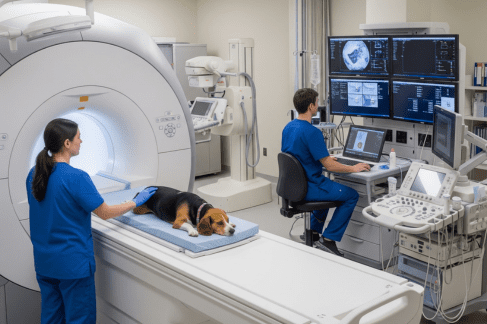
Digital X-rays, ultrasound, MRI, and CT scans enable veterinarians to detect organ or tissue changes early, often before symptoms become severe.
For example:
- Blood chemistry panels help monitor kidney and liver function in diabetic or geriatric pets.
- Echocardiograms assess heart performance in dogs with cardiac disease.
- Neurological imaging assists in managing epilepsy or spinal disorders.
Early detection through these diagnostic tools allows Chesapeake veterinarians to create targeted treatment plans that improve quality of life and slow disease progression.
Personalized Treatment and Medication Management
Every pet’s condition is unique, which is why individualized treatment is essential. Veterinarians in Chesapeake carefully design personalized treatment plans based on each pet’s age, breed, and medical history. These plans often include:
- Prescription medications to manage pain, inflammation, or hormone imbalances
- Therapeutic diets formulated to support organ health
- Weight management programs for obese or arthritic pets
- Insulin or other hormone therapies for endocrine disorders
Medication monitoring is another key part of chronic care. Chesapeake vets frequently check dosage levels and side effects to ensure safe and effective results. Many local clinics also offer in-house pharmacies, making it easier for pet owners to refill prescriptions promptly.
Pain Management and Rehabilitation Therapies
Pets living with arthritis, spinal disorders, or post-surgical pain benefit greatly from integrated pain management programs.
In Chesapeake, veterinary centers increasingly incorporate rehabilitation and physical therapy into chronic care plans. Techniques such as hydrotherapy, laser therapy, massage, and acupuncture are used to:
- Improve joint mobility
- Reduce inflammation
- Strengthen muscles
- Enhance circulation and healing
These non-invasive therapies help reduce reliance on pain medications and improve a pet’s overall comfort and mobility.
Nutritional Support for Chronic Conditions
Diet plays a vital role in managing long-term health problems. Veterinarians in Chesapeake often recommend specialized diets designed to address specific conditions:
- Low-protein diets for pets with kidney disease
- Weight-control diets for obese animals
- Low-sodium diets for heart patients
- Hypoallergenic diets for pets with chronic skin allergies
Nutritional counseling helps owners understand what ingredients to avoid and how to select the best food to support their pet’s condition. Some clinics even offer customized meal plans to ensure consistent, balanced nutrition at every stage of treatment.
Monitoring and Follow-Up Care
Continuous monitoring is critical for chronic conditions. Chesapeake veterinary teams use regular follow-up visits and sometimes home monitoring tools—such as glucose meters or wearable activity trackers—to assess how well treatments are working.
These check-ins allow veterinarians to detect relapses or complications early and modify care plans accordingly. Pet owners are also trained to observe warning signs like increased thirst, appetite changes, or fatigue, enabling faster response to potential issues.
Emotional Support and Owner Education
Managing a pet with a chronic illness can be emotionally taxing for families. Chesapeake veterinarians recognize this and provide compassionate guidance to help owners cope.
They take time to explain the disease process, expected outcomes, and realistic goals for care. Pet owners receive detailed instructions for medication schedules, diet, and lifestyle adjustments. This partnership between vet and owner ensures pets receive consistent, loving care at home.
Preventive Measures to Slow Disease Progression
Even when a condition is incurable, preventive strategies can slow its progression and enhance quality of life. Veterinarians emphasize:
- Regular exercise suited to the pet’s abilities
- Routine dental cleanings to prevent oral bacteria from affecting other organs
- Vaccinations and parasite control to avoid secondary infections
- Stress reduction techniques, such as enrichment activities and consistent routines
Preventive care, combined with ongoing medical support, helps pets stay healthier for longer.
Conclusion
Chronic health conditions in pets can be managed successfully with the right veterinary support, lifestyle adjustments, and proactive care. In Chesapeake, veterinary services provide the advanced technology, expertise, and compassion necessary to address long-term illnesses in both dogs and cats.
From early diagnosis and personalized treatment to pain management and continuous monitoring, every aspect of care is designed to improve the well-being and longevity of pets. With dedicated veterinary teams and informed pet owners working together, pets in Chesapeake can live happier, more comfortable lives—no matter how complex their medical needs may be.