

A parent standing outside a child’s bedroom at two in the morning does not need a lecture on respiratory anatomy. They need to know, in the next thirty seconds, whether that sound means a trip to A&E or a warm drink and back to bed. The short answer is wheezing is a high-pitched whistle heard mainly when your child breathes out, coming from narrowed lower airways. Congestion sounds wetter and rattlier, sitting higher up in the nose and throat. One points towards the chest. The other is usually a blocked nose doing what blocked noses do, and the two are treated very differently.
What Does Wheezing Actually Sound Like?
Wheezing is characterised by a high-pitched, whistling sound caused by airflow through narrowed airways. It is usually loudest when your child breathes out, though severe cases can wheeze on the in-breath too. Parents often describe it as whistling or squeaking, a faint note rising and falling with each breath.
It happens because the small airways have narrowed, from inflammation, mucus, or tightening muscle around the airway walls – the classic pattern in asthma, viral-induced wheeze, and bronchiolitis. Wheeze tends to worsen with activity, crying, or lying flat, and often comes with a visible tug of skin between the ribs as your child works harder to breathe.
What Does Congestion Sound Like By Comparison?
Congestion is a wetter, rattlier sound coming from the throat or behind the nose rather than deep in the chest. It is often louder lying on the back and eases once your child sits up or after a good sneeze.
Unlike wheezing, congestion is not usually linked to breathing difficulty on its own. Your child may sound blocked and snuffly, but breathing rate and effort generally stay normal. It is uncomfortable rather than dangerous, the sound most parents recognise from every cold their child has had.
Wheezing Versus Congestion At a Glance
| Feature | Wheezing | Congestion |
| Sound | High-pitched whistle | Wet, rattly snuffle |
| Location | Deep in the chest | Nose and upper throat |
| Worse when | Breathing out, lying flat, crying | Lying on back |
| Breathing effort | Often increased, chest tugging | Usually normal |
| Common cause | Asthma, viral wheeze, bronchiolitis | Common cold, allergies |
| Typical duration | Days to weeks, can recur | 5 to 10 days |
Could It Be Something More Serious?
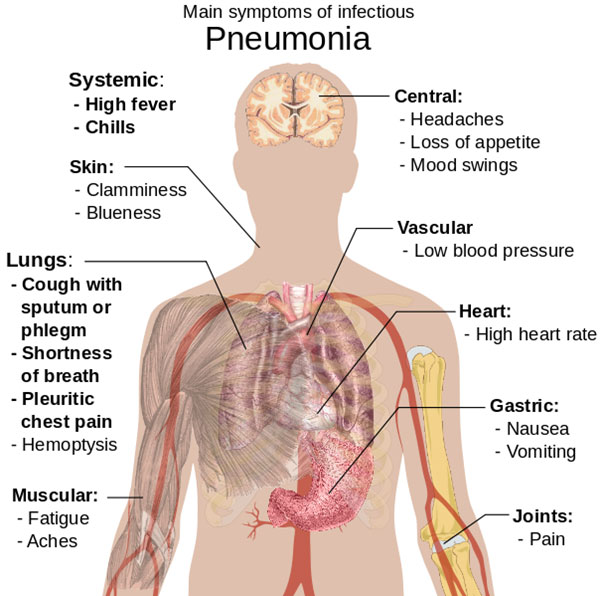
Most noisy breathing is harmless, but wheezing with a fever, fast breathing, or visible chest-wall effort deserves closer attention. Pneumonia and chest infections in children under five are among the more common reasons for winter hospital admissions in Manchester or across the UK, and early wheeze paired with a fever that will not shift is one of the first things GPs check for.
A chest infection often starts as an ordinary cold before settling into the lower airways, bringing a wetter cough and persistent tiredness. Simple congestion stays confined to the nose and throat and clears within a week, without ever changing how hard your child works to breathe.
Expert Insight
Paediatric respiratory specialists generally agree the most useful thing a parent can do at home is watch breathing rate and effort, not just the sound. A child wheezing but playing, eating, and breathing calmly is in a very different position to one who is quiet, breathing fast, and pulling in around the ribs. The sound guides the diagnosis. The effort guides the urgency.
| Sign to Watch | What It Usually Means |
| Wheeze with normal energy | Monitor at home, review if it persists |
| Wheeze with fast or laboured breathing | Needs same-day medical review |
| Congestion with normal feeding and sleep | Common cold, usually self-resolving |
| Any blue tinge around lips | Emergency, call 999 |
When Should Manchester Parents Book a Specialist?
If wheezing keeps returning, or your child has had more than two or three infections in the chest this year, it is worth moving past reassurance and getting a proper assessment. A GP is the right first stop for anything sudden or severe, but for recurring symptoms, many parents in Manchester start looking for a private respiratory consultant who can look at the pattern rather than treat each episode alone.
If you have recently searched for a “private pediatrician near me” or “private respiratory consultant near me” in Manchester because the usual advice has stopped working, remember that reassurance only goes so far when the same infection returns every few weeks. A dedicated children’s respiratory clinic can run lung function tests, review triggers, and build a plan rather than repeat the same antibiotics each winter.
Parents searching for an “asthma doctor near me” are often at the same point, watching a wheeze that no longer feels like a one-off cold. A focused respiratory review tends to be the faster route to an answer.
Getting the Right Answer For Your Child
Telling wheeze and congestion apart comes down to two questions: where the sound is coming from, and how hard your child is working to breathe. Get those right, and you will usually know whether you are dealing with a cold or something needing a closer look.
At Child Lung Clinic in Manchester, children with recurring wheeze, infected chest, or unexplained breathing symptoms are seen by private paediatric respiratory consultants who look at the whole pattern. Book an assessment and get a clear answer instead of another guess.
Frequently Asked Questions
Is it normal for wheezing to come and go?
Yes. Wheezing often comes and goes with colds, exercise, or weather changes, particularly in children prone to asthma. Occasional wheeze that clears within days is common. Wheeze returning over several months is worth a doctor’s review.
How many days does chest infection wheezing last?
Wheeze linked to an infection in the chest usually eases within one to two weeks, though the cough can hang around a little longer. If it drags on past two weeks, or keeps coming back once it seems to have cleared, that’s worth getting checked rather than waiting it out again.
What to do if a child is wheezing while sleeping?
Sit them up rather than letting them lie flat, since that alone often eases the sound. Stay close and watch how hard they’re working to breathe rather than the noise itself. If breathing looks fast, laboured, or they’re struggling to settle even after sitting up, treat it as urgent rather than something to monitor until morning.