

A wedding weekend often includes more than the ceremony itself. There may be travel, welcome drinks, a rehearsal dinner, morning plans, casual meetups, photos, and a post-event brunch. Each moment has a different level of formality, so the best wardrobe plan is not about packing more pieces. It is about choosing clothes that can move between comfort and polish with small styling changes.
The rehearsal dinner is usually one of the most important pre-wedding events. It feels more intimate than the wedding day, but it still deserves thoughtful styling. A rehearsal dinner dress should feel elegant, comfortable, and appropriate for the venue. The goal is to look dressed for the occasion without feeling overdone.
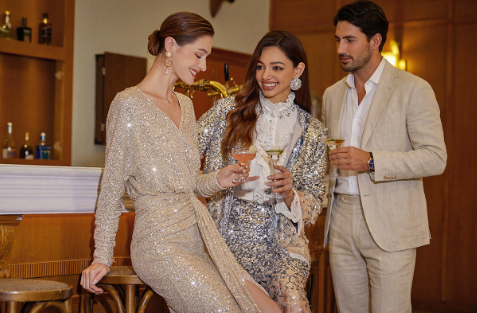
A good starting point is the event setting. A dinner at a restaurant may call for a polished midi dress, a soft satin style, or a refined lace piece. A garden dinner may work better with a romantic silhouette, lighter fabric, or floral detail. A hotel or cocktail-style setting can support a more elevated design with stronger color, shine, or structure.
Comfort matters as much as appearance. Rehearsal dinners often include greetings, speeches, photos, and long conversations. A piece that looks beautiful but feels restrictive can make the evening less enjoyable. The right dress should allow you to sit, walk, and move naturally while still giving the outfit a special-event feeling.
The rest of the wedding weekend needs a different strategy. Travel days, coffee runs, sightseeing, family breakfasts, and casual gatherings usually call for softer, easier pieces. Casual clothes create the foundation for these moments because they help you feel comfortable while still looking put together.
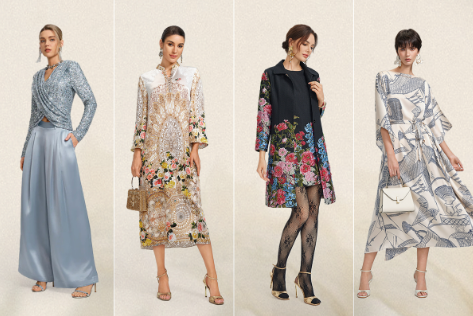
The key is choosing casual pieces that do not feel careless. A relaxed knit top, clean blouse, easy skirt, soft dress, or wide-leg pants can be simple but still polished. These pieces work well when they have flattering shapes, wearable fabrics, and colors that pair easily with the rest of your packing list.
A wedding weekend wardrobe works best when the pieces share a clear color direction. Neutrals, soft pastels, or rich evening tones can help everything feel connected. This makes it easier to reuse shoes, bags, and accessories without making each outfit look repetitive. A small, coordinated wardrobe often looks better than a suitcase full of unrelated options.
Layering is also useful. A light cardigan, blazer, wrap, or cropped jacket can help one outfit work across different temperatures and settings. A simple daytime dress can become more refined with a structured layer. A relaxed skirt can feel more elevated with a fitted top and jewelry. These small adjustments reduce the need to pack a completely separate look for every plan.
Accessories can carry much of the transformation. Simple flats or sandals may work for daytime plans, while heels or dressier shoes can shift the same base outfit into evening. Jewelry, a clutch, a belt, or a polished hairstyle can also make a familiar piece feel new. This is especially helpful when the schedule is full and there is little time to change.
When selecting a rehearsal dinner dress, think about balance. It should feel more special than your daytime looks, but it should not compete with the wedding-day outfit unless the dress code clearly invites that level of formality. Soft shine, graceful movement, flattering color, and a confident fit are often enough to make the look memorable.
For daytime styling, casual clothes should support real movement. You may be walking between venues, helping with last-minute details, meeting relatives, or taking informal photos. Pieces that wrinkle easily, fit poorly, or require constant adjustment can become frustrating. Choose clothes that look neat with minimal effort.
Shoes deserve extra attention. Wedding weekends often involve more standing and walking than expected. A comfortable pair for daytime and a dressier pair for evening can cover most needs. If you plan to wear heels, choose a height you can manage for several hours. Style should support the experience, not distract from it.
It is also smart to prepare one flexible backup outfit. Weather, venue changes, or schedule shifts can happen. A simple dress, polished top, or versatile bottom can save time when plans change unexpectedly. The best backup piece should work with shoes and accessories already in your bag.
Ultimately, dressing for a wedding weekend is about feeling ready for every moment without overpacking. The most useful pieces are the ones that match the mood of the event and still feel like you. With a thoughtful mix of polished evening wear and easy daytime staples, you can move from travel to dinner to brunch with confidence and comfort.
