
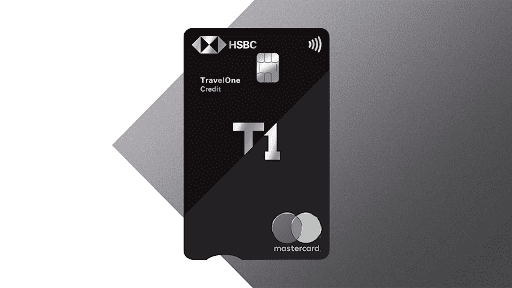
Choosing a suitable payment instrument can have a direct impact on travel costs, convenience, and financial planning. Selecting a travel Credit Card requires a clear understanding of how and where it will be used. The decision should depend on travel frequency, destination type, spending behaviour, and service features rather than only promotional deals.
Understand Your Travel Requirements
Selecting any credit card begins with identifying your travel habits. Domestic travellers may benefit more from railway rewards, toll savings, hotel discounts, and fuel waivers within India. International travellers often focus on foreign exchange rates, global acceptance, travel insurance, and lounge access. Analysing annual travel frequency, typical destinations, and expected expenditure can help identify the most suitable category of card.
Travellers should also review their preferred mode of transport. Someone who frequently travels by train or road may not require airline-specific benefits, whereas frequent flyers may prefer cards that offer air miles and airport benefits.
Domestic Travel: Key Features to Consider
Domestic travelers benefit more from cards designed to support everyday journeys rather than luxury services. A structured travel credit card may include the following features. Before selecting one, consider whether the card provides:
- Reward points or cashback on rail, intercity bus, or domestic flight bookings
- Fuel surcharge waivers at partnered fuel stations nationwide
- Discounts on hotel bookings through authorised travel platforms
- UPI-linked credit payments at metro stations, toll booths, and retail outlets
These features reduce everyday travel expenses and support regular travellers who want financial control without modifying their travel routines.
International Travel: What to Look For
For international trips, financial security and acceptance across countries are essential. When selecting a card for overseas use, check whether it offers:
- Low or zero foreign currency mark-up charges
- Compatibility with global networks such as Visa, Mastercard, or Discover
- Access to international airport lounges for long layovers
- Emergency services such as card replacement, insurance, or global customer support
Some cards may also include travel medical insurance, coverage for flight delays, or lost baggage assistance, which can provide additional peace of mind when travelling abroad.
Evaluating Rewards and Redemption Options
Reward structures differ between cards. Some offer airline miles, others provide hotel rewards or flexible points. A suitable credit card should allow simple redemption without limiting users to a single airline or hotel group. It is also important to review point validity, conversion rates, and whether rewards can be redeemed for flights, hotel vouchers, or travel wallets. This ensures that accumulated points translate into practical, usable benefits.
Fees, Costs, and Practical Usability
The overall value of any Credit Card depends on its cost structure. Consider the following factors before making a selection:
- Annual or joining fees relative to the benefits offered
- Interest rates and late payment penalties
- Foreign exchange charges on international transactions
- Availability of UPI integration, contactless payments, or 24×7 assistance
Additionally, travellers should check if customer support is available across time zones, particularly for emergencies abroad. Cards with responsive service help resolve misplaced cards, fraudulent transactions, or payment issues quickly.
Conclusion
Selecting the right card requires analysis of travel habits, spending patterns, and long-term costs. A suitable option can offer measurable advantages across transport, accommodation, fuel, dining, and international payments. Whether travelling within India or abroad, a carefully chosen card supports secure transactions, reward accumulation, and better financial control. Comparing features, fees, and usability ensures an informed decision and a more structured travel experience.