
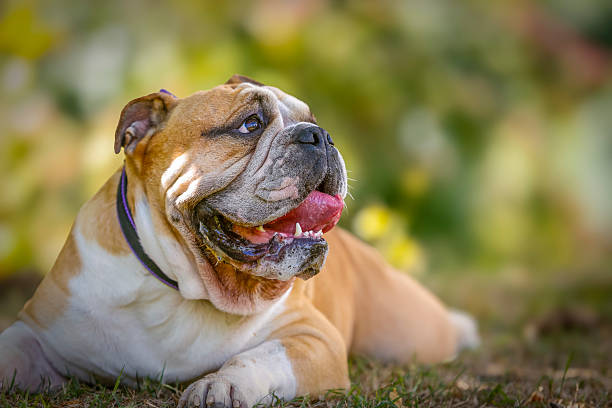
Choosing a name for your dog might seem simple at first—but it’s actually one of the most important decisions you’ll make as a pet owner. Your dog’s name becomes part of their identity, a key training tool, and something you’ll say countless times every day. The right name can strengthen communication, improve training, and reflect your dog’s personality perfectly.
In this guide, you’ll learn how to pick the perfect dog name your pet will love, along with practical tips, creative ideas, and common mistakes to avoid.
Why Your Dog’s Name Matters
A dog’s name isn’t just for you—it’s also how your pet learns to respond, focus, and connect with you. Dogs respond best to names that are:
- Easy to recognize
- Distinct from commands
- Short and clear
A well-chosen name helps your dog understand when you’re calling them, making training smoother and more effective.
1. Keep It Short and Simple
The best dog names are usually one or two syllables. Short names are easier for dogs to recognize and respond to quickly.
Examples:
- Max
- Bella
- Rocky
- Luna
Longer names can work, but they often get shortened anyway. If you love a longer name, make sure it has a natural nickname.
2. Choose a Name with Clear Sounds
Dogs respond better to names with sharp consonants and clear vowel sounds. Letters like “K,” “T,” and “B” tend to grab attention.
For example:
- “Kit” is easier for a dog to hear than “Milo” in noisy environments
- “Buddy” stands out more than softer, mumbled names
Clarity matters, especially when you’re calling your dog from a distance.
3. Avoid Confusing Names
Try not to choose names that sound like common commands. This can confuse your dog during training.
Avoid names like:
- “Kit” (sounds like “sit”)
- “Bo” (sounds like “no”)
- “Ray” (sounds like “stay”)
A distinct name ensures your dog clearly understands when you’re speaking to them versus giving a command.
4. Match the Name to Your Dog’s Personality
Spend a few days observing your dog before deciding on a name. Their behavior, energy level, and quirks can inspire the perfect fit.
For example:
- A playful dog → “Ziggy” or “Bubbles”
- A calm dog → “Shadow” or “Misty”
- A bold dog → “Thor” or “Diesel”
Naming your dog based on personality makes the name feel more meaningful and natural.
5. Consider Appearance and Breed
Your dog’s size, color, and breed can also inspire great names.
Examples:
- A white dog → Snow, Casper, Pearl
- A large breed → Titan, Bear, Zeus
- A small dog → Peanut, Coco, Pixie
Just be careful not to pick a name that might feel mismatched as your dog grows (e.g., naming a large puppy “Tiny”).
6. Try the “Call Test”
Before finalizing a name, test it out loud. Call the name as if you’re at the park or across the house.
Ask yourself:
- Does it feel natural to say?
- Is it easy to repeat multiple times?
- Does it sound clear and confident?
If it feels awkward or embarrassing to shout in public, you might want to reconsider.
7. Pick a Name You Won’t Outgrow
Trendy names can be fun, but they may not age well. Choose a name you’ll still love years from now.
For example:
- A meme-inspired name might feel outdated later
- A timeless name like “Charlie” or “Lucy” stays relevant
Think long-term—your dog will have this name for life.
8. Involve Family Members
If you live with others, involve them in the naming process. This ensures everyone:
- Likes the name
- Uses it consistently
- Avoids confusing the dog with multiple names
Consistency is key for training and bonding.
9. Avoid Overly Complicated Names
Names that are hard to pronounce or spell can create unnecessary confusion.
Instead of something complex like:
- “Sir Barkington the Third”
You can simplify it to:
- “Barkley”
Keep it practical and easy to use daily.
10. Give Your Dog Time to Learn the Name
Once you’ve chosen a name, use it consistently so your dog learns to associate it with attention and positive experiences.
Tips:
- Say the name in a happy tone
- Reward your dog when they respond
- Avoid using the name in a negative context
With repetition and positive reinforcement, your dog will quickly recognize and respond to their name.
Popular Dog Naming Trends
If you’re looking for inspiration, here are some popular naming categories:
Human Names
Charlie, Max, Daisy, Oliver
Food-Inspired Names
Cookie, Pepper, Oreo, Honey
Nature Names
River, Sky, Willow, Storm
Pop Culture Names
Inspired by movies, shows, or celebrities
Final Thoughts
Picking the perfect dog name is a fun and meaningful part of welcoming a new pet into your life. The best name is one that is simple, clear, and fits your dog’s personality—while also being something you enjoy saying every day.
Take your time, test a few options, and choose a name that feels right. Once you do, use it consistently with positive reinforcement, and your dog will quickly learn to respond with excitement and trust.
In the end, the perfect dog name isn’t just about creativity—it’s about connection.
