

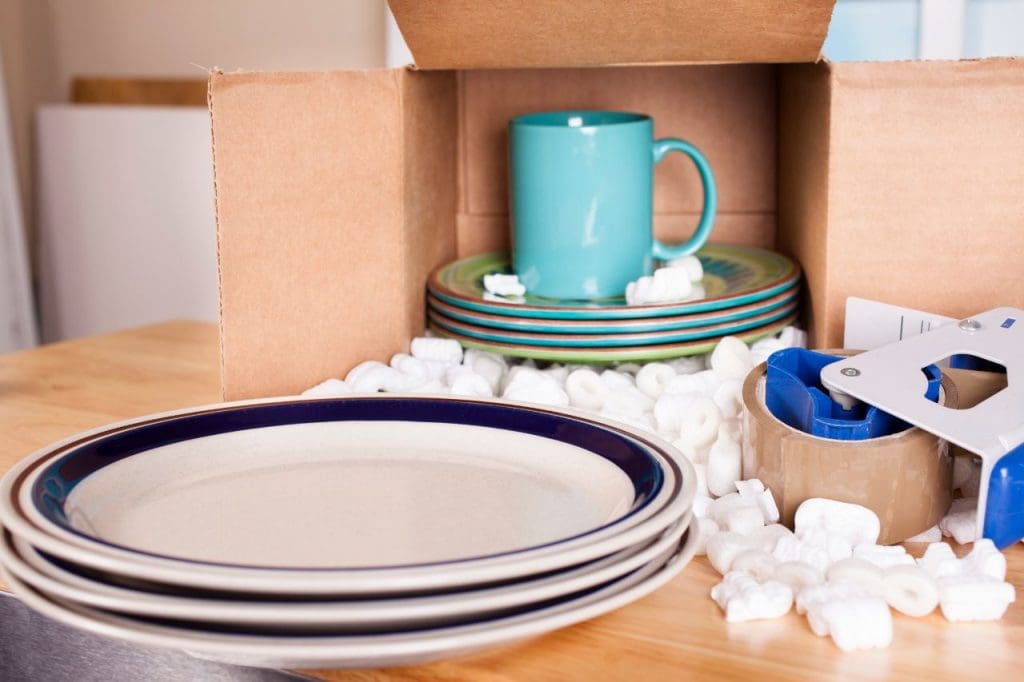
Introduction
Packing dishes is one of the biggest challenges during a move because they are fragile, heavy, and easily damaged. Many people search for How to Pack Dishes for Moving because the right method can save time, money, and stress. With the correct materials and simple steps, you can protect your plates, glasses, and bowls from cracks or breaks.
Understanding the best way to secure each item will make your moving day easier. When you learn How to Pack Dishes for Moving properly, every piece is more likely to arrive safely at your new home. This guide will show you simple tips that anyone can follow, even if it’s your first time packing fragile items.
Gather the Right Packing Supplies
Before you start, you need the right packing supplies because dishes are heavier than many people expect. Strong boxes are essential, along with bubble wrap, packing paper, tape, and markers. With the right tools, the entire process becomes faster and safer.
Many people who want to know How to Pack Dishes for Moving forget how important good supplies are. Thick boxes help prevent crushing, while bubble wrap and paper cushion your dishes during bumps. Having everything ready before you begin will save time and keep you organized.
Prepare Your Boxes the Right Way
When preparing boxes, always make sure the bottom is strong and well-taped. Dishes can easily break through a weak box, so create a double layer of tape across the bottom. Adding a layer of scrunched packing paper inside the box adds extra cushioning.
This step helps you avoid accidents later. Many people researching How to Pack Dishes for Moving don’t realize that a strong foundation is key. With the box supported from the bottom, your dishes stay stable and protected during the move.
Wrap Each Dish Carefully
The best way to keep dishes safe is to wrap them one by one. Place each dish on packing paper or bubble wrap, fold the edges over, and secure it snugly. Wrapping each piece individually prevents scratches and cracks when the box shifts.
People learning How to Pack Dishes for Moving often skip this part to save time, but it is one of the most important steps. Taking a few extra seconds per dish can prevent expensive damage. The more carefully you wrap each item, the safer your dishes will be during the move.
Pack Plates Vertically Instead of Flat
Most people think plates should be stacked flat, but they are actually safer when placed vertically. This position reduces pressure on the plates and helps absorb impact during movement. Add padding on each side to keep the plates from shifting.
This strategy is highly recommended when learning How to Pack Dishes for Moving because it drastically reduces breakage. Even plates made from delicate materials like porcelain or glass stay safer when packed upright. Consistent spacing and padding make a big difference in how plates travel.
Secure Bowls and Glasses Properly
Bowls often nest together, but they still need padding between each one. Wrap each bowl individually, then place extra paper between them before stacking. Glasses and cups should be wrapped and placed upright to prevent cracks and chips.
When studying How to Pack Dishes for Moving, remember that bowls and glasses require extra care because they can break easily. Their shapes make them vulnerable to pressure, but with proper wrapping, they stay secure. Pack them tightly so they don’t move inside the box.
Fill Empty Spaces Inside the Box
After placing your dishes in the box, fill all empty spaces with packing paper or bubble wrap. Empty gaps allow dishes to shift, which increases the chance of breakage. The more tightly everything fits, the safer your items will be.
This method is essential in every guide about How to Pack Dishes for Moving because full boxes protect fragile items better. Movement is the biggest cause of damage during transport. Filling gaps ensures everything stays in place even when the truck hits bumps.
Label Every Box Clearly
Once your dishes are packed, labeling each box is very important. Write “Fragile” and “Kitchen – Dishes” on several sides of the box. This tells movers to handle the box carefully and ensures it stays upright during loading and unloading.
Clear labeling is a simple but powerful tip found in most instructions on How to Pack Dishes for Moving. Boxes that are not labeled correctly may be stacked under heavy items. Marking each box helps avoid accidents and keeps your fragile dishes safe.
Use a Dish-Packing Box If Possible
Dish-packing boxes, also known as dish barrels, are thicker and stronger than regular boxes. They provide extra protection for heavy dishes and delicate glassware. If your items are valuable, this type of box is worth using.
Many professional movers recommend dish barrels in their guides on How to Pack Dishes for Moving because they reduce breakage by adding structure and strength. While they cost a little more, they offer better protection for fragile items. They are especially helpful for long-distance moves.
Avoid Overpacking Your Boxes
It may be tempting to fit as many items as possible into one box, but overpacking can make the box too heavy. Heavy boxes are more likely to be dropped, crushed, or damaged. Keep each box light enough that one person can lift it comfortably.
People learning How to Pack Dishes for Moving should remember that weight matters just as much as padding. Lighter boxes are easier to carry and handle, meaning your dishes stay safer. Always aim to keep dish boxes manageable and balanced.
Load Boxes Safely Into the Moving Truck
When loading boxes, place dish boxes on top of heavier items, not underneath them. This prevents your dishes from being crushed during the move. Keep fragile boxes toward the front of the truck where movement is less intense.
This technique appears in many articles about How to Pack Dishes for Moving because your loading method affects the safety of your dishes. A carefully loaded truck means fewer bumps and shifts that could harm your items. Always think ahead when arranging boxes in the truck.
Final Five Helpful Tips
Here are five quick reminders to make the process easier and safer:
- Wrap each dish carefully
- Fill all empty spaces in the box
- Label boxes as “Fragile”
- Avoid overpacking
- Pack plates vertically
These tips support everything you’ve learned about How to Pack Dishes for Moving. Even small steps can make a big difference in keeping your dishes safe. Remembering these simple points will help you stay organized and protect your fragile kitchen items.
Conclusion
Learning How to Pack Dishes for Moving is one of the best ways to prevent stress and damage during a move. With the right supplies, proper wrapping techniques, and smart packing habits, you can protect your dishes easily. Taking the time to secure each item helps make sure everything arrives in perfect condition.