
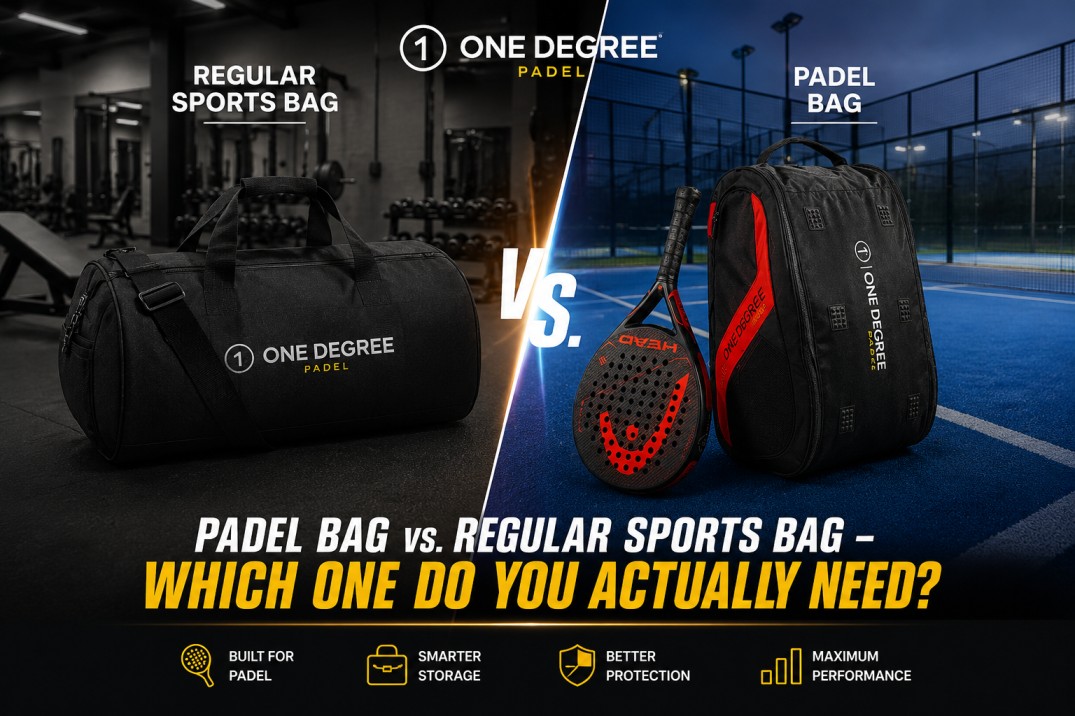
You’re on court, your partner’s waiting to serve, and you’re elbow-deep in your bag hunting for your wristband. We’ve all been there.
A disorganized padel bag is more costly than it feels. That damp towel against your clean clothes, your racket rattling next to a metal bottle, your phone face-down on your keys, it’s slow, quiet damage adding up every session.
The fix is zone packing: five dedicated areas in your bag, each with a specific purpose. Two minutes to load, and everything is exactly where it should be every time.
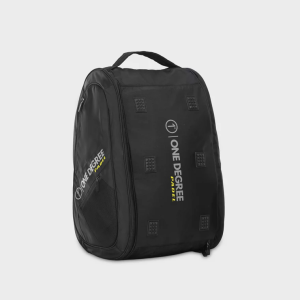
Zone 1 – The Racket Vault (Maximum Protection)
Most players treat the racket compartment like overflow storage. Snacks in there, a spare shirt, whatever didn’t fit elsewhere. Then they wonder why their frame looks beat up after six months.
Here’s the thing about padel rackets that doesn’t get talked about enough: the foam core is genuinely sensitive to temperature. Not catastrophically, not overnight, but leave your bag in a hot car through summer regularly, and you will notice the difference in how your racket feels. The core warps slowly. The pop flattens. By the time you register it, the damage is done.
A thermal-lined compartment prevents all of it. Most decent padel bags have one built in. If yours doesn’t, a thermal sleeve is cheap and fixes the problem immediately.
The other rule for this zone is simpler: nothing hard shares space with the racket. Keys, a metal bottle, a padlock from the locker, all of it causes micro-damage that accumulates invisibly. Whether you’re carrying a structured duffle bag or a multi-compartment padel bag, the racket pocket is for the racket. That’s the whole rule.
Zone 2 – Footwear & Ventilation (The Dirty Zone)
Padel shoes have specific grip patterns engineered for the surface you’re playing on. What destroys those patterns faster than actual court time is carrying the shoes loose in your main compartment, letting court grit grind into the sole on every trip home.
The ventilated shoe tunnel at the base of your bag exists specifically for this: it keeps the shoes contained, the grip clean, and your dirty footwear physically separated from everything else you’re carrying. If your bag doesn’t have one, a mesh drawstring shoe bag is the fix.
Now for the overlooked part. Damp shoes in a sealed compartment after a match are basically a science experiment in odor development, and it’s a problem most gym bags never solve, either. Two cedar wood balls dropped into each shoe after every session absorb the moisture before it becomes a problem. Activated charcoal pouches do the same job and last for months. Neither costs much. Almost nobody does this. Your bag will smell noticeably better within a week.
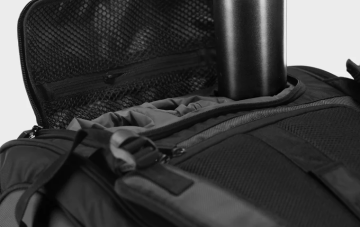
Zone 3 – The Refresh & Style Kit (Post-Match Essentials)
This is the zone most people throw together at the last minute, and it shows a crumpled t-shirt at the bottom of the bag, deodorant somewhere in the main compartment, towel tangled around everything else.
The towel should live in an outer pocket, not inside the main bag. You want it accessible mid-match without a full unpack operation. Microfiber is worth it; it dries faster, packs smaller, and has no lint.
For the change of clothes, roll everything rather than folding. It takes ten extra seconds, and the difference in wrinkles is significant, especially if your bag sits compressed in a locker for a few hours. One outfit: top, bottoms, socks. Keep it neutral so it works whether you’re going straight home or grabbing food after.
Solid deodorant over spray if you can manage the switch. It doesn’t leak, it’s smaller, and you can tuck it inside the rolled towel so it stays in one place instead of migrating to the bottom of the pocket.
Zone 4 – Court Accessories & Hardware
The mesh interior pockets in your bag are not decorative. They exist because small items, such as overgrips, wristbands, and eyewear, disappear into the main compartment and never come back. Two spare overgrips minimum in those pockets, always. Grip wears faster than most players expect, especially in warm conditions, and running a match on a grip that’s past its life affects your game more than you’d think.
This is true whether you’re using a dedicated padel bag or doubling your workout bag for court sessions; the organizational discipline is the same. Pick one exterior side pocket and make it your pre-match pocket permanently. Fresh ball, spare grip, nothing else. The point is that you can reach in thirty seconds before warm-up and have what you need without opening the main bag at all. Simple habit, genuinely useful every single session.
Zone 5 – Fuel, Hydration, and Valuables
The water bottle goes in the exterior bottle pocket, upright. This is non-negotiable. Leak-proof bottles do leak eventually, and a soaked main compartment means soaked everything: racket, clothes, phone. Keep snacks in a small zip pouch in the same area. Nuts, dates, and an energy bar. Avoid anything that melts if you play in warm weather outdoors; you will regret it once and remember it forever.
The felt-lined zippered pocket on your bag is probably the most ignored feature in a padel kit. It’s there for your phone, your watch, your sunglasses, things that scratch when they slide around against each other for an hour. Most players use it to store receipts and old locker tokens. Put your valuables in it. Your watch face will thank you.
Pack Smart, Play Better
Five zones, two minutes to load, and your gear actually lasts as long as it should. If you’re not doing any of this yet, start with the thermal compartment and the felt pocket. Those two changes cost nothing and make an immediate difference.
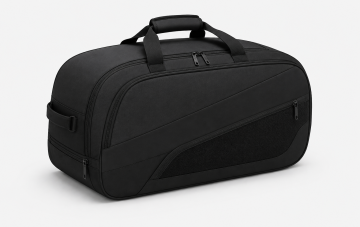
If your current bag doesn’t have the thermal lining or shoe tunnels needed to pack like a pro, it might be time for an upgrade. Brands like ONE DEGREE design bags specifically around this 5-zone philosophy.