
Introduction.
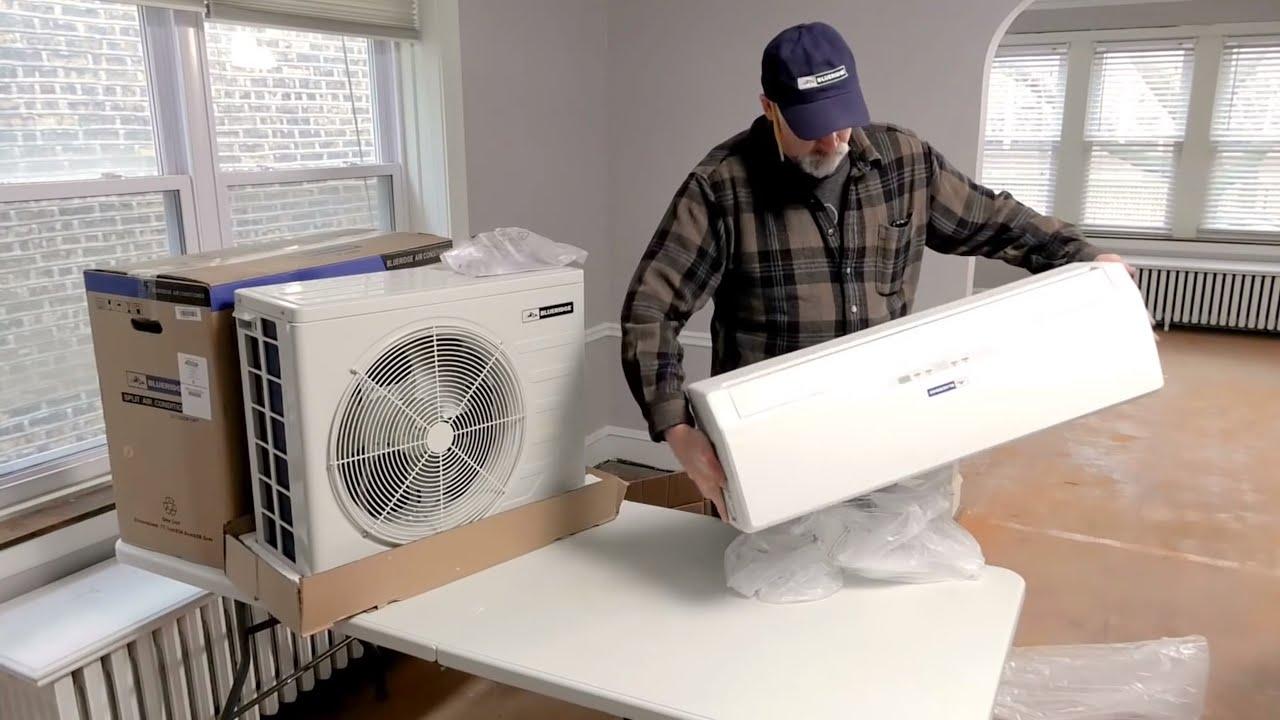
Do you find it inconvenient to cope with the extreme temperatures of summer and winter seasons? The utilization of a heat pump presents an optimal method for effectively regulating the indoor temperature, ensuring a consistently comfortable environment throughout the entire year. This comprehensive guide aims to provide a step-by-step walkthrough of the installation process for a heat pump system, designed to provide both heating and cooling capabilities, in your Auckland residence. This article is intended for individuals who are either DIY enthusiasts or those who are interested in learning about the installation process.
Understanding Heat Pumps.
Before diving into the installation process, it’s essential to understand how a heat pump works. In simple terms, a heat pump is a device that transfers heat from one place to another using a refrigeration cycle. It can both heat and cool your indoor space, making it a versatile and energy-efficient solution.
Types of Heat Pumps.
There are several types of heat pumps available in the market, each designed for specific applications. The main types include air-source heat pumps, ground-source (geothermal) heat pumps, and ductless mini-split heat pumps. Each type has its own advantages and is suitable for different environments.
Assessing Your Heating and Cooling Needs.
To ensure you choose the right heat pump for your Auckland home, assess your heating and cooling needs. Consider the size of your space, insulation, and the average climate in your area. This evaluation will help you determine the heat pump’s capacity and efficiency required to meet your requirements.
Selecting the Right Heat Pump Size.
Selecting the appropriate heat pump size is crucial for optimal performance. An undersized unit may struggle to heat or cool your space efficiently, while an oversized one could lead to unnecessary energy consumption. Refer to the manufacturer’s guidelines or consult a professional to determine the right size for your home.
Choosing the Ideal Location.
The location of your heat pump plays a significant role in its effectiveness. Ideally, place the outdoor unit in an area with proper airflow and minimal obstructions. For indoor units, consider high-traffic areas where the conditioned air can flow freely throughout your living space.
Necessary Tools and Materials.
Before you begin the installation, gather all the necessary tools and materials. Some of the essential tools include a drill, screwdrivers, a level, and a refrigerant manifold gauge. Don’t forget to purchase the heat pump kit, insulation, and any additional accessories recommended by the manufacturer.
Step-by-Step Heat Pump Installation.
- Preparation: Turn off the power supply and read the manufacturer’s instructions thoroughly.
- Outdoor Unit Installation: Mount the outdoor unit on a sturdy surface, ensuring proper clearance from walls and obstructions.
- Indoor Unit Installation: Position the indoor unit at the selected location and secure it following the guidelines.
- Refrigerant Lines Connection: Connect the refrigerant lines between the indoor and outdoor units accurately.
- Electrical Wiring: Wire the heat pump unit to the power supply as per the manufacturer’s instructions.
- Testing: Power on the unit and test both heating and cooling modes to check for proper functionality.
Wiring and Electrical Connections.
Proper wiring and electrical connections are critical for the safe and efficient operation of your heat pump. If you’re not familiar with electrical work, it’s best to seek assistance from a licensed electrician. Remember to shut off the power during installation and follow all safety precautions.
Testing and Troubleshooting.
After the installation, perform a series of tests to ensure your heat pump functions correctly. Check for any unusual noises, leaks, or irregularities in temperature. If you encounter any issues, refer to the troubleshooting section of the manufacturer’s manual or seek professional help.
Maintaining Your Heat Pump.
Regular maintenance is key to extending the life of your heat pump and optimizing its performance. Clean or replace filters as recommended, keep the outdoor unit clear of debris, and schedule periodic professional inspections to detect and address any potential problems.
Conclusion.
In conclusion, this comprehensive guide has equipped you with the knowledge of Auckland heat pump installation. By understanding the various types of heat pumps and assessing your specific heating and cooling needs, you can make an informed decision about the right unit for your space.
Remember to carefully select the appropriate heat pump size, choose an ideal location for installation, and gather all the necessary tools and materials before starting the process. Following the step-by-step installation instructions will ensure a smooth and effective setup.
