
Introduction
Redwood has been a favorite for its good looks, toughness, and ability to resist rot. As more people want eco-friendly building stuff, recycled wood has become a hit with architects, builders, and homeowners. Redwood, in particular, offers a special mix of strength and class that makes it great for both building and decorating. But not all recycled wood is the same. To find the best pieces, you need a sharp eye and knowledge of what makes top-quality lumber stand out.
Understanding the Source
The first step to evaluate reclaimed wood is to look at where it comes from. Wood cut from old-growth forests years ago often has tighter grain patterns and is denser than wood from younger trees. When you check out reclaimed materials ask about their source: Did someone save the wood from old barns, bridges, or factories? Wood from these buildings is stronger because people picked it for its toughness back then. Knowing the wood’s background gives you useful info about how good it is and how well it might work in new projects.
Examining Grain and Texture
The grain pattern is one of the most reliable signs of quality. Good redwood has straight tight grains that show its slow growth. This makes it look better and last longer. When you check boards, look for smooth texture and few flaws. Smooth surfaces with even grain mean the wood has aged well and will work well. On the other hand uneven or very wide grains might mean the wood is younger or not as strong.
Checking for Signs of Damage
Old wood often shows signs of its previous use, and while some flaws add character, others can weaken it. Check boards for cracks, twists, or bug damage. Small nail holes or surface marks are okay and can even boost the rustic look of the wood. But deep splits or rot should worry you. Good quality old wood should still be strong despite years of use. A good look-over makes sure the wood will not look great but also last long in its new use.
Evaluating Color and Patina
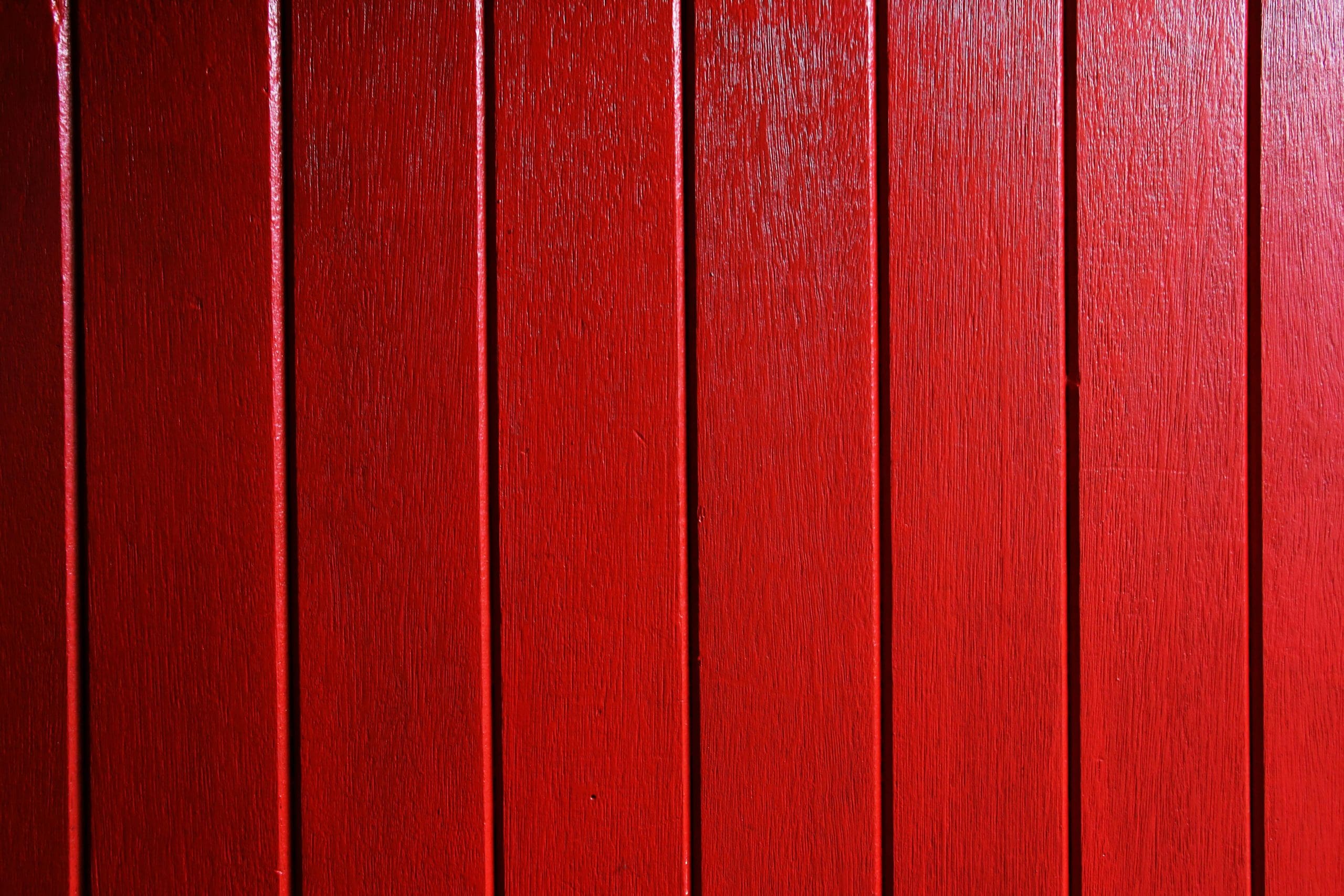
Redwood stands out for its rich colors, from light pinks to deep reddish browns. Weather changes its look over time creating a natural finish many people like. When picking boards, check if the color stays the same and looks good. Top-quality pieces often show a warm even shade that brings out the wood’s natural beauty. Some fading is okay, but too much color change or uneven spots might mean the weather has weakened the wood. A good even finish shows the wood has aged well and will make any project look better.
Confirming Authenticity
As reclaimed materials gain traction, buyers need to verify that the wood they’re getting is the real deal. True reclaimed redwood lumber should come with papers or a clear backstory about where it’s from. Good sellers tell you where they got the wood and how they fixed it up. This openness does not prove it’s genuine but also shows buyers the wood came from good sources. Checking if it’s real helps you avoid fakes that might not have the same great qualities as actual redwood.
Conclusion
Finding top-notch reclaimed wood needs a mix of artistic appreciation and hands-on assessment. To pick lumber that looks good and works well, buyers should know where it came from, look at its grain and texture, check for any damage, think about its color, and make sure it’s the real deal. Redwood has a classic charm that makes it great for any project. With the right approach reused pieces can give eco-friendly long-lasting, and eye-catching results. Making smart choices helps this amazing material shine in its new life.