

Finding the right stationery supplier can transform the way your business operates. Whether you run a retail chain selling school supplies, manage a corporate procurement department, or distribute office products to regional markets, the supplier you choose directly influences your profit margins, product quality, and customer satisfaction. The global B2B stationery supplier market continues to expand, with industry analysts projecting growth of over USD 33 billion between 2024 and 2029. This expansion creates both opportunity and complexity for buyers navigating an increasingly crowded marketplace.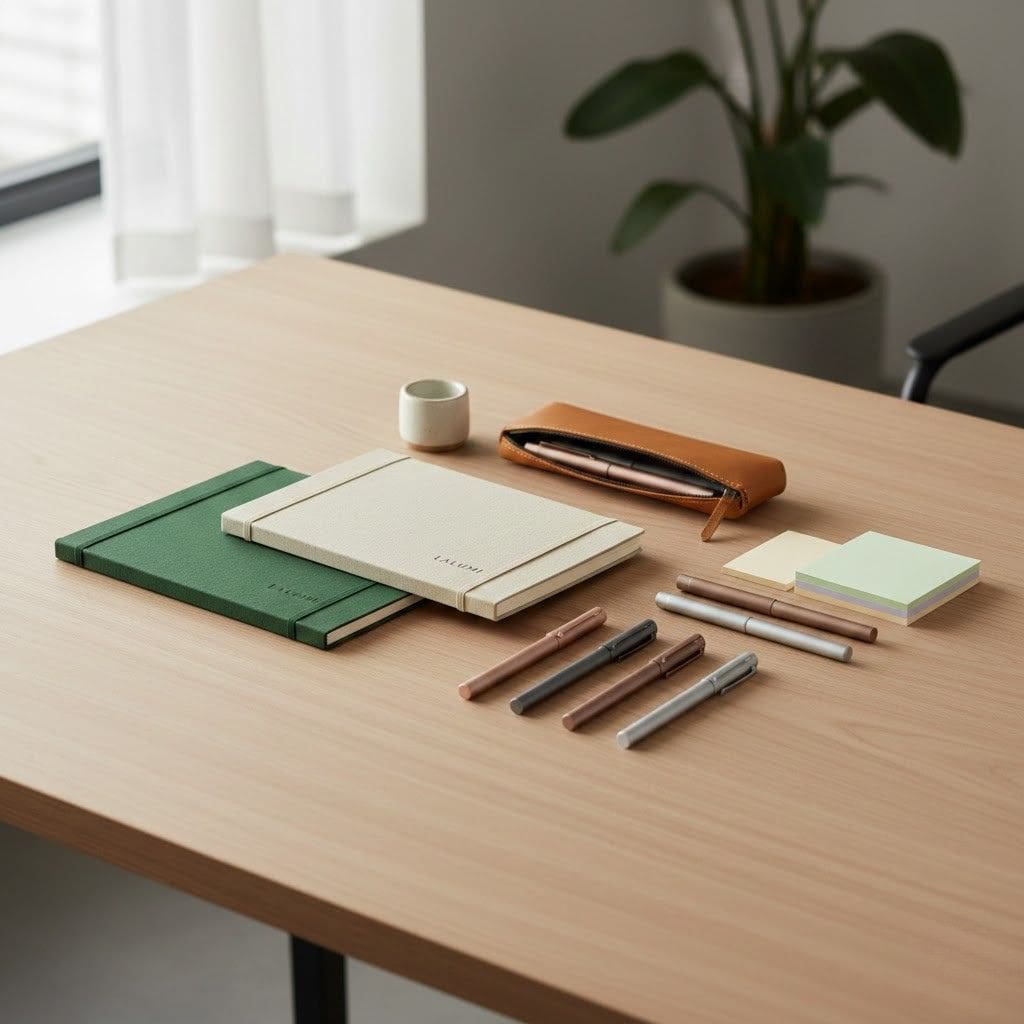
This guide walks you through every consideration that matters when selecting a wholesale stationery supplier. From evaluating product quality and pricing structures to assessing customization capabilities and supply chain reliability, you will gain the knowledge needed to build profitable, long-term partnerships. By the end, you will understand exactly what separates exceptional suppliers from mediocre ones and how to position your business for sustained success in the competitive stationery market.
Why Choosing the Right Stationery Supplier Matters More Than Ever
The stationery industry has evolved far beyond basic pens and paper. Today’s market demands fashion-forward designs, eco-friendly materials, and customization options that align with brand identities. Educational institutions contribute nearly half of total stationery market revenue, while corporate buyers increasingly prioritize suppliers who can deliver coordinated office aesthetics alongside functional products. This shift means your stationery supplier must understand contemporary design trends while maintaining competitive wholesale pricing.
Supply chain stability has become non-negotiable. Recent years demonstrated how quickly disruptions can cascade through distribution networks, leaving retailers with empty shelves and frustrated customers. A reliable stationery supplier maintains adequate inventory buffers, communicates proactively about potential delays, and offers alternative products when primary items face supply constraints. Companies like Lalumi have built their reputations on precisely this kind of operational excellence, ensuring B2B clients receive consistent service regardless of broader market conditions.
The financial implications extend beyond simple product costs. Working with the wrong supplier leads to quality complaints, return processing expenses, damaged customer relationships, and the hidden costs of constantly searching for alternatives. Conversely, partnering with an established wholesale stationery supplier who understands your business creates compounding advantages over time through better pricing tiers, priority allocation during shortages, and streamlined ordering processes.
Essential Qualities Every B2B Stationery Supplier Should Demonstrate
Product Range and Quality Standards
A comprehensive product catalog distinguishes serious wholesale suppliers from those merely dabbling in stationery distribution. Your ideal stationery supplier should offer depth across multiple categories including notebooks, gel pens, memo stickers, pencil cases, and coordinated stationery sets. This breadth allows you to consolidate purchasing, reduce shipping costs, and maintain consistent design aesthetics across your inventory.
Quality verification requires more than accepting supplier claims at face value. Request physical samples before committing to large orders. Examine paper weight and texture in notebooks. Test ink flow and drying times in writing instruments. Assess zipper durability and stitching quality in storage products. Premium suppliers welcome this scrutiny because they understand that quality consistency builds lasting business relationships. Products like the Unique Eternity Series stationery set exemplify the attention to detail that separates fashion stationery from commodity products.
Transparent Pricing and Minimum Order Requirements
Pricing transparency indicates supplier professionalism. Your wholesale stationery supplier should provide clear unit costs across different quantity tiers, explain any additional fees for customization or packaging, and offer predictable shipping rate structures. Hidden costs erode profit margins and make accurate business planning impossible. Reputable suppliers publish pricing guidelines and discuss volume discounts openly during initial conversations.
Minimum order quantities vary significantly across suppliers and product categories. Some manufacturers require commitments of 500 or more units per item, while distributors may offer lower thresholds with slightly reduced margins. Consider how MOQ requirements align with your storage capacity, cash flow cycles, and sales velocity. A supplier whose minimums exceed your practical needs forces unnecessary capital investment in inventory that may sit for months before selling.
Customization and Private Label Capabilities
Customization transforms generic products into branded assets that strengthen market positioning. Many successful retailers differentiate through private label stationery lines that feature their logos, color schemes, and unique design elements. Your stationery supplier should offer OEM services that accommodate logo placement on products, custom packaging design, color coordination across product lines, and specialized print requirements. Understanding how to find the right OEM stationery partner helps businesses navigate the complexities of custom manufacturing while maintaining quality standards.
Evaluate the supplier’s design support infrastructure. Do they provide proofing processes before production runs? Can they maintain color accuracy across multiple batches? How do they handle artwork files and brand guidelines? Suppliers with established customization workflows deliver consistent results that reinforce rather than undermine your brand identity. The best custom stationery suppliers invest in quality control systems that catch errors before products ship.
How to Evaluate a Stationery Supplier before Committing
Research Their Market Reputation
Digital footprints reveal much about supplier reliability. Search for customer reviews on industry forums, examine their social media presence for engagement patterns, and look for case studies or testimonials from businesses similar to yours. A trustworthy stationery supplier maintains positive relationships with existing clients and demonstrates responsiveness when concerns arise. Red flags include numerous unresolved complaints, inconsistent communication, or reluctance to provide references.
Trade shows and industry events offer valuable opportunities to assess suppliers firsthand. Observe product displays, speak with representatives about their manufacturing processes, and gauge their knowledge of market trends. Suppliers who invest in professional trade show presence typically demonstrate similar commitment to product quality and customer service. These face-to-face interactions often reveal nuances that digital research cannot capture.
Request and Analyze Product Samples
Sample evaluation should follow a systematic process rather than casual inspection. Create a checklist covering material quality, construction durability, finish consistency, packaging presentation, and design accuracy. Compare samples against competitor products at similar price points. Document your observations with photographs and notes that can inform future ordering decisions. Serious suppliers understand that sampling represents an investment in long-term business relationships and accommodate reasonable requests willingly.
Pay particular attention to how samples arrive. Professional packaging and careful handling during shipment indicate the care your actual orders will receive. Damaged samples suggest systemic issues with warehouse operations or shipping protocols. Products like the Lalumi portable pencil case and best portable pencil case options demonstrate how quality manufacturing translates into products that survive shipping and daily use.
Verify Communication and Support Systems
Response times during the inquiry phase predict future service levels. Send questions via email and note how quickly you receive substantive answers. Test phone availability during your business hours. A responsive stationery supplier answers queries within 24 hours, assigns dedicated account managers for business clients, and provides multiple communication channels. Delays or confusion during courtship typically worsen after orders are placed and leverage shifts.
Clarify their processes for handling problems. What happens when shipments arrive damaged? How are quality complaints resolved? Do they offer replacements, refunds, or credits? Understanding dispute resolution procedures before issues arise prevents frustration and protects your business interests. Established suppliers document these policies and train staff to implement them consistently.
Building Long-Term Partnerships with Your Stationery Supplier
Transactional relationships rarely deliver maximum value. The most successful B2B buyers develop strategic partnerships with their primary stationery supplier that include regular business reviews, collaborative planning for seasonal demands, and joint problem-solving when challenges emerge. These deeper relationships unlock benefits unavailable to casual purchasers including early access to new products, favorable payment terms, and priority fulfillment during supply constraints.
Communication consistency builds partnership strength. Share your sales data and inventory patterns with suppliers willing to engage in collaborative planning. Provide feedback on product performance and customer preferences. Discuss upcoming promotions or expansion plans that affect ordering patterns. Suppliers who understand your business can anticipate needs and suggest solutions you might not have considered independently.
Trust develops through demonstrated reliability on both sides. Meet payment commitments on schedule. Provide accurate forecasts when possible. Accept that occasional issues arise and work constructively toward resolution. Partners who navigate challenges together emerge with stronger relationships than those who never faced adversity. This mutual investment creates competitive advantages that purely transactional relationships cannot replicate.
Where to Find Reliable Bulk Stationery Suppliers
Sourcing channels have multiplied in recent years. Online B2B marketplaces connect buyers with suppliers globally, trade directories list verified manufacturers and distributors, and industry associations maintain member databases searchable by product category. Each channel offers distinct advantages depending on your specific requirements. Comprehensive guides to bulk stationery suppliers help navigate these options efficiently.
Geographic considerations influence supplier selection significantly. Local suppliers offer faster shipping and easier communication but may have limited product ranges. International manufacturers provide broader selections and often lower unit costs, though logistics complexity increases. Many businesses maintain relationships with both local distributors for immediate needs and overseas manufacturers for planned inventory builds. Understanding how to find the best stationery bulk suppliers requires balancing these tradeoffs against your operational priorities.
Manufacturer-direct relationships suit businesses with substantial volume and customization needs. Working directly with production facilities eliminates middleman margins and provides maximum control over product specifications. However, this approach requires larger order commitments, longer lead times, and more sophisticated quality control processes. Distributors and wholesalers serve buyers who need smaller quantities, faster delivery, or prefer outsourcing supplier management complexity. Fashion stationery specialists like Lalumi bridge both models by offering manufacturer-level customization with distributor-friendly service levels.
The Growing Importance of Sustainability in Stationery Sourcing
Environmental responsibility has shifted from marketing differentiator to baseline expectation for many buyers. Educational institutions increasingly mandate eco-friendly procurement standards. Corporate clients require sustainability certifications from their suppliers. Consumers prefer products demonstrating environmental consciousness. Your stationery supplier should offer recyclable products, use sustainable packaging materials, and demonstrate commitment to reducing environmental impact throughout their operations.
Verify sustainability claims through documentation rather than marketing language alone. Request certification copies for recycled content claims. Ask about manufacturing facility environmental practices. Understand the supply chain for raw materials. Reputable suppliers welcome these inquiries because they have invested in genuine sustainability initiatives. The growing demand for recyclable stationery products represents a major market trend that forward-thinking suppliers actively address.
Common Mistakes When Selecting a Wholesale Stationery Supplier
Prioritizing price above all other factors leads to expensive mistakes. The lowest quoted price often conceals quality compromises, hidden fees, or service deficiencies that cost more than the apparent savings. Evaluate total cost of ownership including shipping, quality-related returns, and administrative burden when comparing supplier options. A marginally more expensive stationery supplier who delivers consistently may prove far more economical than a budget option requiring constant problem resolution.
Neglecting due diligence because of time pressure creates unnecessary risk. Rushing into supplier relationships without proper verification invites quality failures, delivery disappointments, and wasted resources. Allocate adequate time for research, sampling, and reference checking even when business pressures push for faster decisions. The investment in thorough evaluation pays dividends through avoided problems and better long-term outcomes.
Failing to diversify supplier relationships creates dangerous dependencies. While consolidating purchases with preferred suppliers generates volume benefits, excessive concentration means a single supplier problem can cripple your operations. Maintain qualified alternative suppliers who can fulfill critical needs if primary relationships falter. This backup capacity provides negotiating leverage and operational resilience.
Frequently Asked Questions About B2B Stationery Suppliers
What should I look for when choosing a stationery supplier for my business?
Focus on product quality, pricing transparency, minimum order requirements, customization capabilities, and communication responsiveness. A reliable stationery supplier demonstrates consistency across all these dimensions while offering products that match your target market’s preferences and price expectations. Request samples, verify references, and assess their ability to scale with your business growth.
How do I verify the quality of products from a new stationery supplier?
Request physical samples before placing large orders. Examine material quality, construction durability, and design accuracy against your specifications. Test functional elements like ink flow in pens or zipper operation in cases. Compare samples to competitor products at similar price points. A trustworthy stationery supplier welcomes thorough quality evaluation because they stand behind their products confidently.
What minimum order quantities are typical for wholesale stationery purchases?
Minimum order quantities vary widely depending on whether you work with manufacturers or distributors and the specific products involved. Manufacturers typically require 500 or more units per item for production runs, while distributors may accept orders of 100 units or less. Your chosen stationery supplier should offer MOQ structures that align with your storage capacity and sales velocity to avoid tying up excessive capital in inventory.
Can I get custom branding on wholesale stationery products?
Many wholesale suppliers offer OEM and private label services including logo placement, custom packaging, and color coordination. Customization capabilities vary significantly between suppliers, so clarify their specific offerings early in discussions. Professional suppliers provide proofing processes to verify design accuracy before production. Working with an experienced stationery supplier who understands brand requirements ensures customized products reinforce rather than undermine your market positioning.
How important is sustainability when selecting a stationery supplier?
Sustainability has become increasingly critical as educational institutions and corporate buyers implement eco-friendly procurement standards. Demand for recyclable stationery products continues growing, and consumers increasingly prefer environmentally responsible options. Your stationery supplier should offer sustainable product lines, use recyclable packaging, and demonstrate genuine environmental commitment through verifiable certifications and transparent practices.
Should I work with local suppliers or international manufacturers?
Both options offer distinct advantages. Local suppliers provide faster shipping and easier communication but may have limited product ranges. International manufacturers offer broader selections and often lower unit costs but increase logistics complexity. Many successful businesses maintain relationships with both types of stationery supplier, using local partners for immediate needs and overseas sources for planned inventory builds. Your optimal mix depends on volume requirements, customization needs, and operational priorities.
Summary: Finding Your Ideal B2B Stationery Supplier
Selecting the right stationery supplier requires systematic evaluation across multiple dimensions. Begin by defining your specific product requirements, volume expectations, and customization needs. Research potential suppliers through industry directories, trade shows, and online platforms. Verify quality through sample evaluation and reference checking. Assess communication responsiveness and support systems before committing to significant orders.
Build relationships rather than merely transacting. The strongest supplier partnerships develop through consistent communication, mutual reliability, and collaborative problem-solving. Share your business plans with suppliers willing to invest in understanding your needs. Maintain backup supplier relationships for operational resilience while concentrating primary volume with partners who deliver consistent value.
The B2B stationery market rewards informed buyers who invest time in supplier selection. Quality products, reliable delivery, competitive pricing, and responsive service combine to create sustainable competitive advantages. Whether you explore Lalumi’s product catalog or evaluate multiple potential partners, apply the evaluation framework presented here to make decisions that support long-term business success. For personalized assistance identifying the right wholesale stationery solutions for your specific requirements, contact the Lalumi team directly to discuss your sourcing needs.