
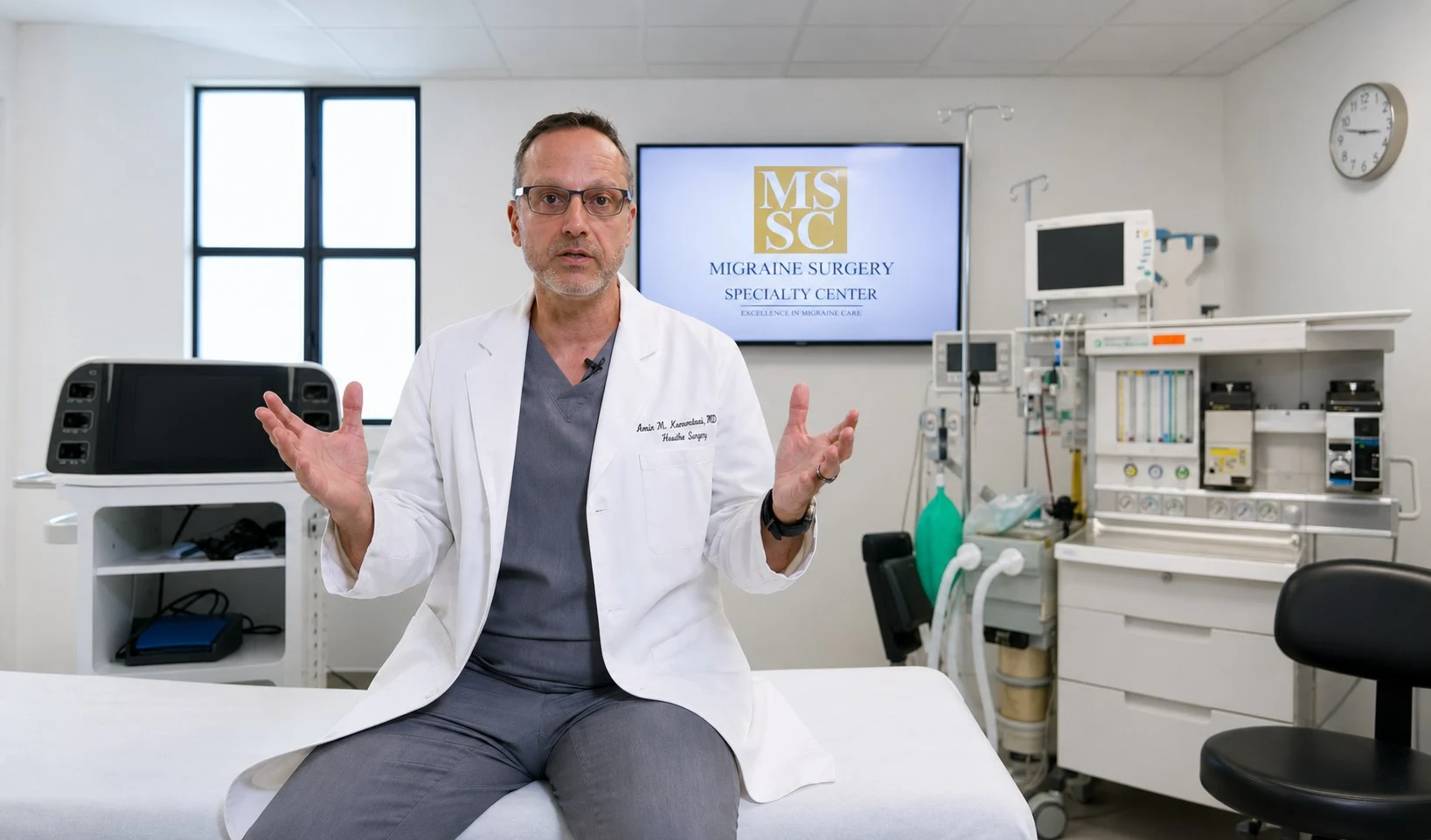
“This 2026 guide simplifies finding a board certified migraine specialist near me. It distinguishes migraines from tension headaches, highlights the rise of AI driven telehealth and provides a checklist for modern treatments like CGRP biologics and neuromodulation to ensure comprehensive, functional relief.”
If you are currently staring at a screen with one eye squinted, searching for a migraine specialist near me, you already know that a standard primary care doctor usually isn’t enough. By 2026, the gap between general medicine and headache neurology has become a canyon.
We have moved past the era of simply taking an ibuprofen and hoping for the best. Today, treating chronic head pain is about data, targeted biologics and pinpointing the difference between a brain based migraine and a neck based tension headache.
Why Your Local GP Might Be Out of Their Depth
Most doctors are highly skilled, but they are generalists. They may know that migraines exist, but they likely aren’t tracking the latest CGRP clinical trials or the newest neuromodulation wearables.
A specialist specifically a board certified headache neurologist treats this as a systemic neurological disorder. They do not just look at your head; they examine your entire nervous system. This distinction matters because many people seeking tension headache treatment are actually experiencing silent migraines. Treating these with simple muscle relaxants is often ineffective, like putting a bandage on a broken bone.
Migraine vs. Tension: Know Your Enemy
You cannot fix what you cannot identify. Before booking an appointment, take a look at your specific pain patterns:
- Tension Headaches: These feel like tight band around your forehead. It is dull, steady ache. If you look for how to relieve tension headache pain, you should focus on posture fixes, stress management, or physical therapy
- Migraines: This is full body neurological event. Symptoms include throbbing pain, nausea and desperate need for dark, quiet room
In 2026, we see significant rise in mixed cases. Chronic stress from work leads to physical tension, which triggers full blown migraine. A specialist helps you untangle that knot rather treating the symptoms in isolation.
How to Find a Real Specialist in 2026
Do not just click the first sponsored link on a search engine. Follow this targeted path instead:
1. Verify Certification: Look for the UCNS stamp. In the medical community, this is the definitive badge for someone who has completed years of fellowship training specifically in headache medicine
2. The Rise of Virtual First Clinics: By 2026, some of the best experts may not have a physical office in your town. Specialized telehealth platforms now ship diagnostic kits directly to your home. These kits include sensors that track heart rate variability and sleep patterns, giving a doctor high level insight without requiring you to drive while light sensitive
3. Avoid the One Script Method: If a provider tries to put you on a generic medication without reviewing your specific history, it is a red flag. A modern specialist should discuss a layered approach involving preventative medicine, acute rescue tools and lifestyle triggers
What a Productive Appointment Looks Like
When you finally start your consultation, evaluate the questions being asked. A top tier specialist will focus on:
- Your Rescue Protocol: A clear plan for what to do at 2:00 AM when the pain peaks
- Functional Goals: They should ask what you are missing out on such as work or social events rather than just asking for a pain score from 1 to 10
- Data Integration: They should be interested in information from your smartwatch or headache tracking apps
Pro Tip: Managing the In Between Pain
Target the Tech Neck: Most tension starts in the suboccipital muscles at base of your skull. Gentle stretching and heat packs here can stop tension ache from spiraling. If your neck stiffness is chronic or results from accident, knowing when you should see a specialist for a whiplash headache is key to preventing long-term nerve sensitivity.
- Target the Tech Neck: Most tension starts in suboccipital muscles at base of your skull. Gentle stretching and heat packs here can stop a tension ache from spiraling into a migraine
- Magnesium & Hydration: Clinical evidence in 2026 continues to show that magnesium glycinate is a heavy hitter stabilizing hyper reactive nerves
The 2026 Checklist
Before you commit to a long term treatment plan, ensure your provider offers:
- CGRP Therapies: The current gold standard for migraine prevention
- Neuromodulation: Non-invasive devices that use electrical pulses to calm the trigeminal nerve
- Physical Therapy Coordination: Essential for addressing the musculoskeletal triggers of tension
Final Thoughts
The search for a migraine specialist near me is a search for a better quality of life. In 2026, the technology exists to make pain free days the norm. Do not settle for a provider who tells you to just reduce stress. Find a partner who uses modern tools to help you reclaim your schedule.
Disclaimer
This article is for informational purposes only and do not constitute medical advice. Always seek counsel of qualified healthcare provider regarding neurological conditions. Never disregard professional medical advice or delay seeking treatment because of content read this blog.